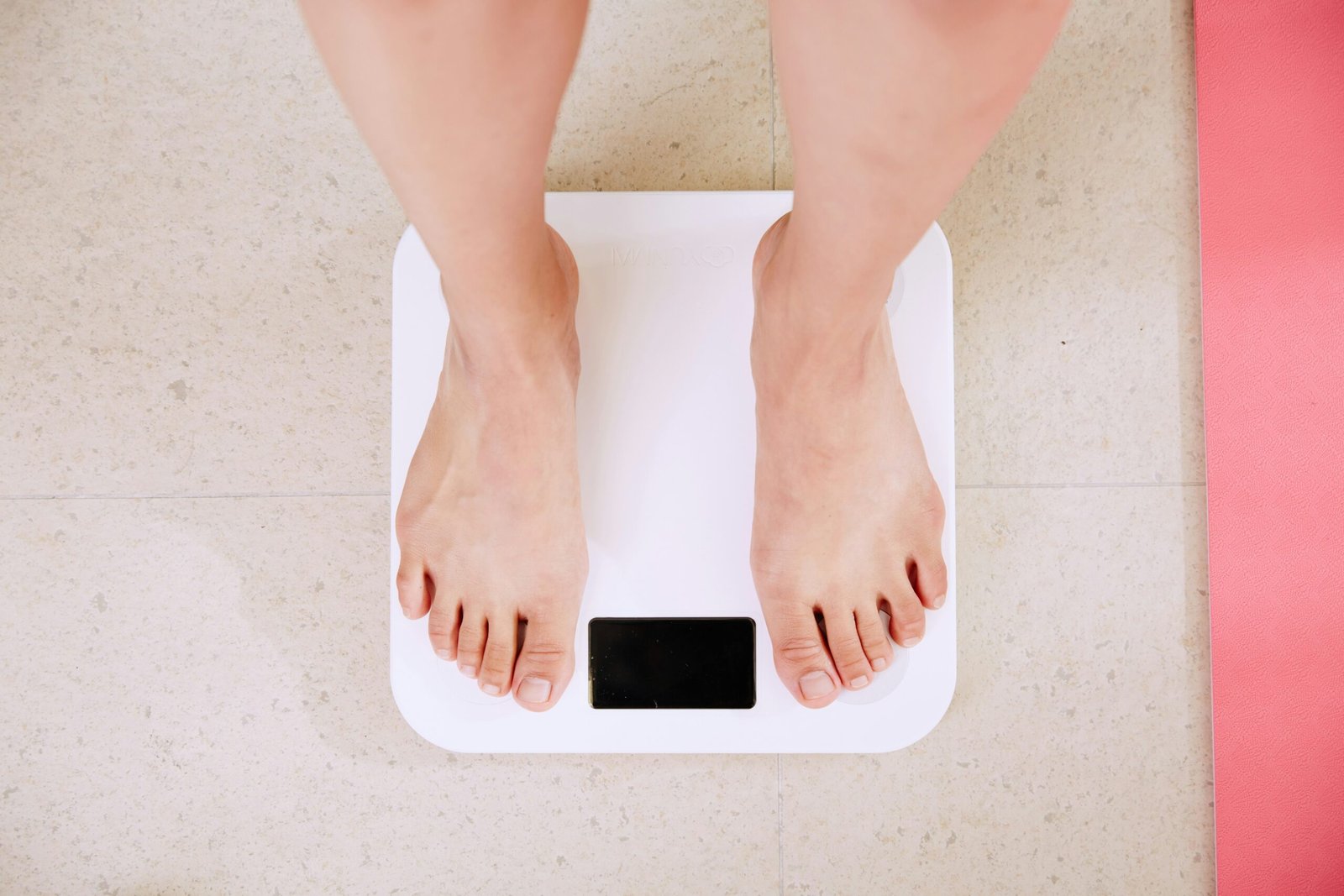
Losing weight without going on a strict “diet” isn’t just possible, it’s often more sustainable and less stressful in the long run. The core idea is to make small, manageable changes to your daily habits that add up to real results. We’re talking about shifting your lifestyle a bit, not a temporary deprivation plan.
Here’s how you can start shedding pounds without feeling like you’re constantly fighting against yourself:
1. Hydrate Strategically Before Meals
Think of water as your secret weapon. Drinking a good amount before you eat can naturally curb your appetite, meaning you’ll likely eat less without even trying.
a. The 500 ml Pre-Meal Rule
A study from 2026 (yes, you read that right, future research!) suggests that downing about 500 ml (that’s roughly two glasses) of water about 30 minutes before your meal could really make a difference in reducing your overall food intake and, consequently, your weight. It fills you up a bit, signaling to your brain that you’re not starving.
b. Why It Works Beyond Just Feeling Full
Beyond the immediate feeling of fullness, water is essential for your body’s metabolic processes. When you’re well-hydrated, your body functions more efficiently, which includes burning calories. Dehydration can actually slow down your metabolism, making weight loss harder. Plus, sometimes our bodies confuse thirst with hunger, so hydrating regularly can prevent you from reaching for snacks when all you really need is a drink.
If you’re looking for effective ways to lose weight without following a strict diet, you might find it helpful to explore various strategies that focus on lifestyle changes rather than calorie counting. One such resource is an article that discusses quick and effective methods for weight loss in just three days. You can read more about these techniques by visiting this link: 3-Day Weight Loss: Quick and Effective Methods. This article offers practical tips that can complement your journey toward achieving your weight loss goals without the need for a traditional diet.
2. Move Your Body More, Every Single Day
You don’t need to become a gym rat overnight. The goal here is consistent movement, not just sporadic, intense workouts. It’s about integrating physical activity into your daily life.
a. The Power of Regular Workouts
Aim for a mix of cardiovascular exercises (like brisk walking, jogging, or cycling) and strength training (using weights or your own body weight). Regular workouts build muscle, and muscle burns more calories at rest than fat does. This means you’re boosting your metabolism even when you’re not actively exercising. Consistency is key here; a moderate workout done regularly is far more effective than a super intense one done once a month.
b. Embrace More General Movement
Beyond dedicated workouts, look for opportunities to move more throughout your day.
i. Walk Whenever Possible
Take the stairs instead of the elevator. Park further away from the store. Walk or bike to nearby destinations instead of driving. Even a 10-minute walk after meals can aid digestion and burn a few extra calories. These small bursts of activity add up over time.
ii. Stand More, Sit Less
If you have a desk job, consider a standing desk or set a timer to remind yourself to stand up and stretch or walk around for a few minutes every hour. Our bodies are designed to move, not to be sedentary for prolonged periods.
3. Rethink Your Plate: Focus on Protein and Vegetables
This isn’t about eliminating food groups; it’s about shifting the balance of what you eat. Prioritizing protein and veggies can help you feel fuller for longer and naturally reduce your intake of less nutritious options.
a. The Protein Advantage
Protein is incredibly satiating. Including a good source of protein in each meal can significantly reduce hunger pangs and cravings later on. It also helps preserve muscle mass, which is crucial for a healthy metabolism, especially when you’re trying to lose weight. Think lean meats, poultry, fish, eggs, dairy, legumes, and tofu.
b. The Magic of Vegetables
Vegetables are packed with fiber, vitamins, and minerals, and they’re generally low in calories. Filling half your plate with non-starchy vegetables means you’re getting a lot of volume and nutrients without a huge calorie load. The fiber helps with fullness and digestion.
c. Cutting Back on Unhealthy Carbs and Junk Food
You don’t have to ban them entirely, but consciously reducing your intake of refined carbohydrates (white bread, pasta, pastries) and ultra-processed junk foods can make a huge difference. These foods often provide empty calories, offer little in terms of nutrition, and can lead to energy crashes and cravings. Swap them for whole grains, fruits, and, of course, more vegetables.
4. Master Mindful Eating: Portions and Pace
How you eat is just as important as what you eat. Practicing mindful eating can help you recognize your body’s hunger and fullness cues more effectively.
a. Downsize Your Portions
Our eyes often trick our stomachs. Using smaller plates can make a normal-sized portion look more substantial, leading you to feel satisfied with less. Be aware of serving sizes, especially when eating out or from larger packages.
b. Eat Slowly and Savor Each Bite
It takes about 20 minutes for your stomach to signal to your brain that it’s full. If you eat too quickly, you can easily overeat before your body has a chance to catch up.
i. Chew Thoroughly
Take your time chewing your food. This aids digestion and gives your body more time to register fullness.
ii. Put Down Your Utensils
Between bites, try putting your fork or spoon down. This forces you to slow down and be more present with your meal.
c. Stop Before You’re Stuffed
Aim to eat until you’re comfortably satisfied, not completely full or stuffed. Learning to recognize that point takes practice but is a powerful tool for weight management.
If you’re looking for effective strategies to shed pounds without following a strict diet, you might find it helpful to explore various lifestyle changes that can promote weight loss. One insightful resource is an article that discusses postpartum weight loss, offering ten practical tips for shedding baby weight. You can read more about these strategies in the article here. By incorporating some of these tips into your daily routine, you can achieve your weight loss goals in a sustainable way.
5. Prioritize Sleep and Stress Management
Our modern lives often shortchange us on sleep and leave us perpetually stressed. These factors have a much bigger impact on weight than you might realize.
a. The Weight of Sleep Deprivation
When you don’t get enough sleep, your body messes with hormones that regulate appetite. Specifically, ghrelin (the hunger hormone) increases, and leptin (the fullness hormone) decreases. This means you’re more likely to feel hungrier and less satisfied, often leading to cravings for high-calorie, sugary foods. Aim for 7-9 hours of quality sleep per night.
b. Stress and Its Impact on Your Waistline
Chronic stress triggers the release of cortisol, the “stress hormone.” Elevated cortisol levels can lead to increased appetite, cravings for comfort foods, and a tendency to store fat, particularly around the abdominal area.
i. Find Your Stress Relievers
Whether it’s meditation, yoga, spending time in nature, reading, listening to music, or pursuing a hobby, find healthy ways to manage your stress.
ii. Schedule Downtime
Just as you schedule appointments, schedule time for relaxation and self-care. It’s not a luxury; it’s a necessity for your physical and mental health.
6. Eliminate Sugary Drinks and Liquid Calories
This is one of the easiest and most impactful changes you can make. Liquid calories don’t provide the same feeling of fullness as solid food, but they still pack a caloric punch.
a. The Problem with Sodas and Juices
Sweetened beverages, including sodas, fruit juices (even 100% juice, though it has vitamins, the sugar content is high), and sweetened teas/coffees, are major sources of added sugar and empty calories. They contribute to weight gain and provide very little nutritional value.
b. Make the Switch
i. Water is Your Best Friend
Plain water should be your go-to beverage. If you find it boring, try infusing it with slices of lemon, lime, cucumber, or berries for a natural flavor boost.
ii. Opt for Zero-Calorie Alternatives
Unsweetened tea, black coffee (in moderation), or sparkling water are good options if you need something with more flavor than plain water. Just be wary of artificial sweeteners, as their long-term effects on appetite and metabolism are still being researched.
7. Cook More Meals at Home
Eating out frequently can make weight loss challenging because you have less control over ingredients, portion sizes, and cooking methods.
a. Control Your Ingredients
When you cook at home, you know exactly what’s going into your food. You can choose leaner cuts of meat, use healthier oils, reduce added sugar and salt, and load up on vegetables.
b. Manage Portion Sizes Easily
It’s much easier to control your portion sizes when you’re serving yourself at home compared to the often oversized portions found in restaurants.
c. Save Money and Learn Skills
Beyond weight management, cooking at home can save you a significant amount of money and equip you with valuable life skills.
8. Snack Smartly and Purposefully
Snacking isn’t inherently bad, but mindless snacking on highly processed foods can derail your weight loss efforts.
a. Choose Nutrient-Dense Snacks
Instead of chips or cookies, opt for snacks that provide protein, fiber, and healthy fats. Good examples include a handful of nuts, a piece of fruit with a tablespoon of nut butter, Greek yogurt, or vegetable sticks with hummus.
b. Snack Only When Truly Hungry
Distinguish between true hunger and boredom, stress, or habit. If you’re not genuinely hungry, try drinking a glass of water or engaging in another activity.
9. Build Awareness and Consistency Through Tracking
You can’t manage what you don’t measure. Tracking doesn’t have to be obsessive, but it can provide valuable insights into your habits.
a. Food and Weight Diaries
Keeping a simple food diary for a few days or a week can reveal patterns you might not be aware of. You might discover hidden sources of calories or realize you’re not eating enough protein. Similarly, regular (but not daily, as fluctuations are normal) weighing can help you see trends.
b. Visual Progress
Taking progress photos can be incredibly motivating. Sometimes the scale doesn’t move much, but your body composition is changing, and photos can capture that.
c. Embrace Patience and Consistency
Weight loss is rarely linear. There will be plateaus and perhaps even slight gains. The key is to be patient with yourself, stay consistent with your healthy habits, and understand that sustainable changes take time. Don’t let a “bad” day or week derail your entire effort. Get back on track with your next meal or workout.
10. Understand Your “Why” and Practice Self-Compassion
Weight loss isn’t just a physical journey; it’s deeply tied to our mental and emotional well-being.
a. Define Your Motivation
Why do you want to lose weight? Is it for health, energy, confidence, or something else? Having a clear “why” can help you stay motivated when things get tough. Remind yourself of this reason regularly.
b. Be Kind to Yourself
Mistakes happen. You might overeat occasionally, or skip a workout. Instead of beating yourself up, practice self-compassion. Acknowledge the slip-up, learn from it, and gently guide yourself back to your healthy habits. Self-criticism often leads to giving up, while self-compassion fosters resilience.
By integrating these practical, non-diet approaches into your daily life, you’ll find that sustainable weight loss isn’t just achievable, but it can also be an empowering journey toward a healthier, happier you.
FAQs
What is the main focus of the article “How to Lose Weight No Diet”?
The main focus of the article is to provide tips and strategies for losing weight without following a strict diet plan.
Can you lose weight without dieting?
Yes, it is possible to lose weight without following a specific diet plan by making healthier food choices, practicing portion control, and incorporating regular exercise into your routine.
What are some tips for losing weight without dieting?
Some tips for losing weight without dieting include eating more fruits and vegetables, drinking plenty of water, avoiding processed foods, getting enough sleep, and staying active throughout the day.
Is exercise important for losing weight without dieting?
Yes, exercise is an important component of losing weight without dieting. Regular physical activity helps burn calories, build muscle, and improve overall health and fitness.
Are there any potential challenges to losing weight without dieting?
Some potential challenges to losing weight without dieting include overcoming cravings for unhealthy foods, finding time to exercise regularly, and staying motivated to make healthy choices consistently.