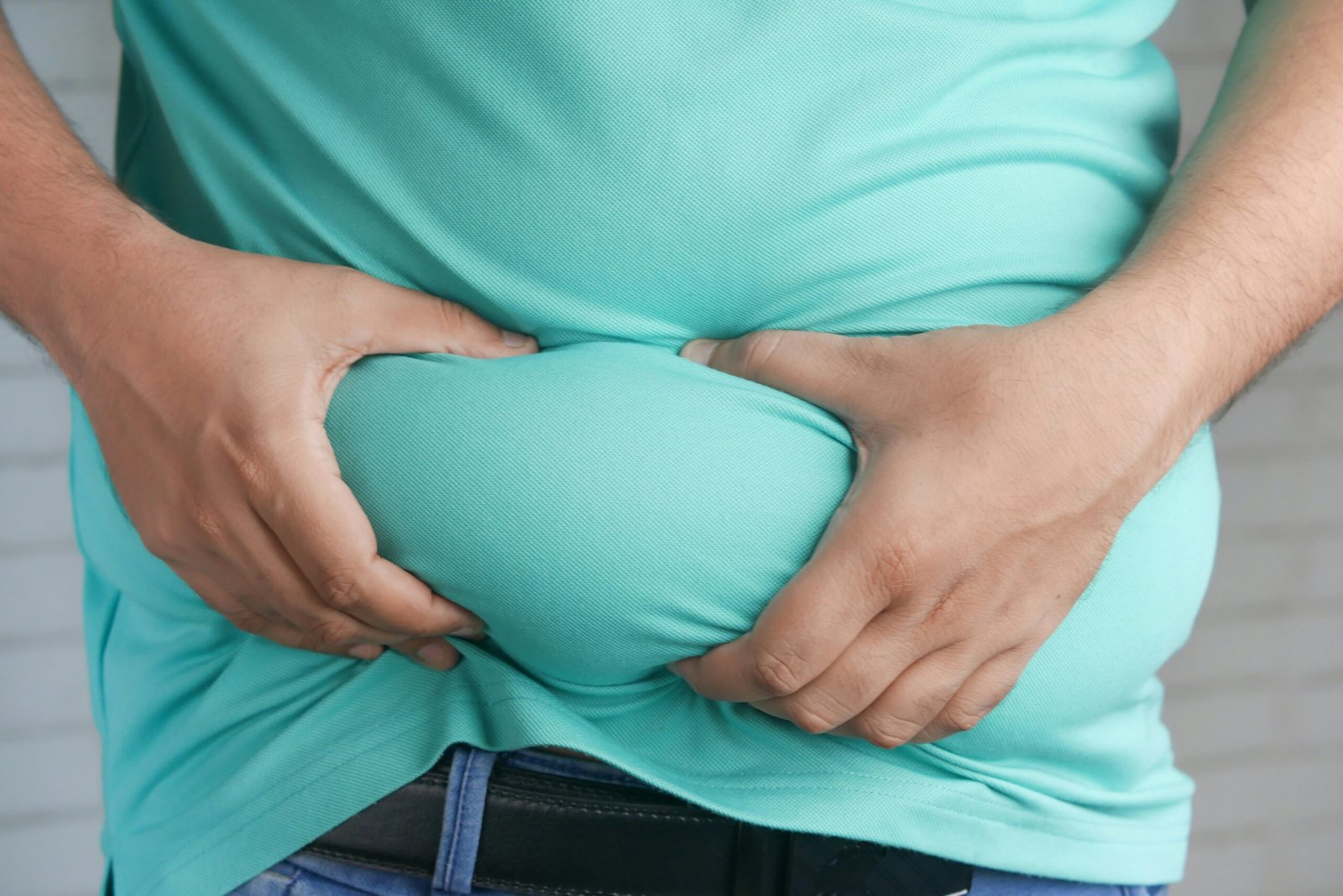
You’re wondering if losing weight in just three weeks is actually achievable. The short answer is yes, but with realistic expectations. You can aim to shed a few pounds, likely in the range of 3-6 pounds, primarily through a combination of dietary adjustments and increased physical activity. It’s important to understand that rapid, dramatic weight loss claims (like 10+ pounds in three weeks) are generally not sustainable or healthy, and often involve losing water weight rather than actual fat. This guide will walk you through a practical approach to make those three weeks count.
When you’re aiming for weight loss over a short period like three weeks, it’s easy to get caught up in unrealistic expectations fueled by quick-fix promises. However, health professionals and research consistently point towards a more measured approach for sustainable results.
Understanding Safe and Sustainable Loss
The general consensus from health experts is that a safe and sustainable rate of weight loss is typically between 1 to 2 pounds per week. This rate allows your body to adapt without causing undue stress or risking muscle loss.
- What this means for 3 weeks: If you focus on healthy habits, aiming for a loss of 3 to 6 pounds over three weeks is a more achievable and healthier target. This range reflects a significant enough change to feel motivating without putting your body into a state of shock.
The Reality of “Rapid Loss” Claims
You’ll likely see advertisements and articles promising drastic results – losing 10 pounds or more in just three weeks. It’s crucial to approach these claims with skepticism.
- Why it’s concerning: Such rapid weight loss is often achieved through extreme calorie restriction, dehydration, or the loss of water weight, not significant fat loss. This can lead to undesirable side effects like fatigue, nutrient deficiencies, headaches, and even an increased risk of gallstones.
- Muscle vs. Fat: A significant drawback of very rapid weight loss is the increased likelihood of losing muscle mass along with fat. Muscle is metabolically active, meaning it burns calories even at rest. Losing muscle can slow down your metabolism, making it harder to keep the weight off in the long run.
Focus on Progress, Not Just the Scale
While the scale can be a useful tool, it’s not the only measure of success, especially in a short timeframe.
- Beyond the numbers: Pay attention to how your clothes fit, your energy levels, and how you feel physically and mentally. Sometimes, you might be losing inches and gaining muscle while the scale doesn’t budge much, especially in the first week due to water fluctuations.
If you’re looking to shed some pounds in just three weeks, you might find it helpful to explore various strategies that don’t necessarily involve hitting the gym. One insightful article that offers practical tips is titled “10 Ways to Lose Weight Without Hitting the Gym.” This resource provides alternative methods for weight loss that can easily fit into your daily routine. To read more about these effective strategies, check out the article here: 10 Ways to Lose Weight Without Hitting the Gym.
2. The Cornerstone: Crafting Your Calorie Deficit
Weight loss fundamentally comes down to consuming fewer calories than your body burns. For a short-term plan like three weeks, a moderate calorie deficit is key to seeing results without feeling deprived or compromising your health.
Calculating Your Maintenance Calories
Before you can create a deficit, you need to have a rough idea of how many calories your body needs to maintain its current weight. This is called your Total Daily Energy Expenditure (TDEE).
- Online calculators: A quick search for “TDEE calculator” will provide numerous options. You’ll need to input your age, sex, height, weight, and activity level. These calculators offer an estimate, not a precise figure, but they’re a good starting point.
- Activity level matters: Be honest about your activity level. If you’re mostly sedentary, select that. If you exercise regularly, choose the corresponding option.
Establishing Your Moderate Deficit
Once you have an estimate of your maintenance calories, you can create a deficit. For a short-term, safe approach, a deficit of 500 to 750 calories per day is often recommended.
- Why moderate? This range is designed to encourage fat loss without causing extreme hunger or making it difficult to stick to your plan. A larger deficit might seem appealing for faster results, but it’s often unsustainable and can lead to the issues mentioned earlier (muscle loss, fatigue).
- Example: If your estimated maintenance is 2000 calories, aiming for a deficit of 500 calories means you’d target around 1500 calories per day. If you aim for a 750-calorie deficit, you’d be around 1250 calories. It’s generally advisable not to go below 1200 calories for women and 1500 for men without medical supervision.
Strategic Food Choices for Satiety
Simply cutting calories isn’t enough; the quality of those calories significantly impacts your success. Focusing on certain macronutrients can help you feel fuller for longer, making it easier to stick to your calorie goal.
- Prioritize Protein: Protein is incredibly satiating. It takes longer to digest and helps to reduce hunger hormones. Aim to include a source of lean protein with every meal and snack. Good options include chicken breast, turkey, fish, lean beef, eggs, Greek yogurt, and legumes.
- Embrace Fiber: High-fiber foods also promote fullness and aid digestion. Think plenty of non-starchy vegetables, fruits (berries, apples, pears), whole grains (oats, quinoa), and beans. These foods are also nutrient-dense, providing essential vitamins and minerals.
- Healthy Fats in Moderation: While not the primary focus for calorie reduction, healthy fats are important for hormone production and satiety. Include sources like avocados, nuts, seeds, and olive oil in small, controlled portions.
3. Fueling Your Body: Smart Eating Strategies

Beyond the calorie math, what you eat and how you eat it makes a huge difference in how you feel and how much weight you lose in three weeks. This section dives into practical dietary strategies that support your goals.
Hydration: The Unsung Hero
Drinking enough water is often overlooked but is absolutely critical for weight loss and overall health.
- More than just thirst quenching: Water helps you feel full, which can reduce overall calorie intake. It’s also essential for metabolic processes, including fat breakdown.
- How much? A good starting point is to aim for at least 8 glasses (about 2 liters) of water per day. You might need more if you’re exercising intensely or in a hot climate.
- Tips: Keep a water bottle with you at all times. Drink a glass of water before each meal. Herbal teas and plain sparkling water also count towards your fluid intake.
The Power of Protein and Fiber in Every Meal
As touched on earlier, making protein and fiber staples in your diet is crucial for managing hunger and ensuring you get adequate nutrients.
- Breakfast Boost: Start your day with a protein and fiber-rich breakfast. Think scrambled eggs with spinach and whole-wheat toast, or Greek yogurt with berries and a sprinkle of nuts. This helps set a positive tone for the day and prevents mid-morning cravings.
- Lunch and Dinner Anchors: Ensure your lunch and dinner plates are loaded with lean protein and a generous portion of vegetables. For instance, grilled chicken or fish with a large salad and a side of quinoa, or a lentil soup with a side of steamed broccoli.
- Smart Snacking: If you need snacks, choose options that combine protein and fiber, like an apple with a tablespoon of almond butter, a small handful of almonds, or a hard-boiled egg.
Navigating Carbohydrates Wisely
Carbohydrates are not the enemy, but the type and quantity matter. For a short-term push, focusing on complex carbohydrates is beneficial.
- Choose whole over refined: Opt for whole grains like oats, quinoa, brown rice, and whole-wheat bread instead of their refined counterparts (white bread, white rice, pastries). Whole grains provide more fiber and nutrients, leading to more sustained energy and fullness.
- Portion control is key: Even with healthy carbohydrates, portion sizes are important to stay within your calorie goals. Measure out your grains and starchy vegetables.
Limiting Processed Foods and Sugary Drinks
These are often calorie-dense and nutrient-poor, making them major roadblocks to weight loss.
- Read labels: Be aware of hidden sugars and unhealthy fats in processed snacks, sauces, and convenience meals.
- Say no to sugary beverages: Sodas, fruit juices (even 100% juice, due to high sugar content), and sweetened coffees/teas can add hundreds of calories without providing much satiety. Stick to water, unsweetened tea, or black coffee.
4. Moving Your Body: Exercise for Fat Loss and Muscle Preservation

Diet is paramount, but exercise plays a vital role in maximizing fat loss and, importantly, preserving your hard-earned muscle mass during a short-term weight loss phase.
The Magic of Daily Movement
Consistency is more important than intensity when you’re starting out or on a tight timeline. Making physical activity a daily habit is the goal.
- The power of walking: If you’re new to exercise or haven’t been active, daily brisk walking is an excellent place to start. Aim for at least 30 minutes each day. It’s low-impact, accessible, and burns a significant number of calories over time.
- Increasing intensity: As you get fitter, gradually increase the duration or pace of your walks. Consider incorporating inclines or light jogging intervals.
Incorporating Aerobic Activity
Aerobic exercise, also known as cardio, is fantastic for burning calories and improving cardiovascular health.
- Variety is key: If walking isn’t your sole focus, consider other aerobic activities like cycling, swimming, dancing, or using an elliptical machine. Aim for at least 150 minutes of moderate-intensity aerobic activity per week.
- Listen to your body: During a calorie deficit, your energy levels might be a bit lower. Choose activities you enjoy and that don’t feel overly taxing.
The Importance of Strength Training
While cardio burns more calories during the activity, strength training is crucial for building and maintaining muscle mass, which is vital for your metabolism.
- Why muscle matters: Muscle tissue burns more calories at rest than fat tissue. By preserving or even building muscle, you keep your metabolism higher, aiding in fat loss and preventing rebound weight gain.
- Frequency: Aim for 2-3 strength training sessions per week, focusing on compound movements that work multiple muscle groups. Examples include squats, lunges, push-ups, rows, and overhead presses.
- Bodyweight or weights: You don’t need a gym to do strength training. Bodyweight exercises like squats, lunges, push-ups, and planks are highly effective. If you have access to weights, incorporate them for added resistance.
If you’re looking to shed some pounds in just three weeks, you might find it helpful to explore various strategies that can complement your efforts. One insightful article discusses effective methods specifically aimed at losing stomach weight, which can be particularly beneficial during your weight loss journey. You can read more about these techniques in this informative piece on effective ways to lose stomach weight. By incorporating these tips into your routine, you may enhance your results and stay motivated throughout the process.
5. Beyond the Basics: Sleep, Stress, and Sustainability
| Week | Weight Loss (lbs) | Exercise (minutes/week) | Calories Intake (per day) |
|---|---|---|---|
| Week 1 | 5 | 150 | 1500 |
| Week 2 | 3 | 180 | 1400 |
| Week 3 | 4 | 200 | 1300 |
Weight loss isn’t just about what you eat and how you move. Several other lifestyle factors can significantly influence your success, especially in a short, focused timeframe.
Prioritizing Quality Sleep
Sleep is not a luxury; it’s a biological necessity that profoundly impacts your hormones and your ability to lose weight.
- Hormonal balance: Lack of sleep can disrupt hormones that regulate appetite, such as ghrelin (hunger hormone) and leptin (satiety hormone). This can lead to increased hunger and cravings, particularly for unhealthy foods.
- Metabolic impact: Poor sleep can also negatively affect insulin sensitivity, making it harder for your body to process glucose and potentially leading to fat storage.
- Aim for 7-9 hours: Make it a priority to get 7 to 9 hours of quality sleep each night. Establish a regular sleep schedule and create a relaxing bedtime routine.
Managing Stress Effectively
Chronic stress can sabotage even the best-laid weight loss plans.
- Cortisol’s role: When you’re stressed, your body releases cortisol, a hormone that can increase appetite, particularly for high-calorie, comforting foods. It can also promote abdominal fat storage.
- Stress reduction techniques: Find healthy ways to manage stress. This could include meditation, deep breathing exercises, yoga, spending time in nature, listening to music, or engaging in hobbies.
Building Sustainable Habits (Even for 3 Weeks)
While this is a short-term plan, the goal is to build habits that you can carry forward.
- Focus on consistency: Even if you have an off day, don’t let it derail your entire effort. Get back on track with your next meal or workout.
- Mindful eating: Pay attention to your hunger and fullness cues. Eat slowly, savor your food, and avoid distractions during meals. This helps you recognize when you’ve had enough and can prevent overeating.
- Prepare for challenges: Think about potential pitfalls – social events, travel, cravings – and have strategies in place to navigate them.
6. Navigating the Scale: What to Expect and How to Interpret It
The scale can be a source of motivation, but it can also be a source of frustration if you don’t understand what it’s telling you, especially in a short timeframe.
Understanding Water Weight Fluctuations
Especially in the first week of a new eating plan, you’ll likely see a noticeable drop on the scale. This is largely due to water weight.
- Glycogen stores: When you reduce carbohydrate intake, your body uses up its stored glycogen. Glycogen binds to water, so as these stores deplete, you lose associated water.
- Sodium impact: Changes in sodium intake can also significantly affect water retention.
- Don’t get discouraged: This initial drop is a motivator, but remember it’s not purely fat loss. The real work is happening throughout the three weeks.
Interpreting Scale Changes Over Time
As you move through the three weeks, your weight loss will likely become more consistent, but it won’t be perfectly linear.
- Plateaus are normal: You might experience days or even a few days where the scale doesn’t move. This is perfectly normal. It doesn’t mean you’re doing something wrong; it often means your body is adjusting.
- Focus on the overall trend: Look at the general downward trend over the three weeks rather than getting fixated on daily fluctuations.
- Consider other metrics: As mentioned before, how your clothes fit, your energy levels, and measurements (like waist circumference) can be better indicators of progress than the scale alone.
What to Do If the Scale Stalls
If you’ve been consistently following your plan and the scale seems stuck for a few days, don’t panic.
- Review your intake: Double-check your calorie tracking. Are you accurately logging everything you eat and drink? Are portion sizes correct?
- Assess your activity: Have you been sticking to your exercise plan? Perhaps it’s time to slightly increase the intensity or duration of your workouts.
- Check your sleep and stress: Are you getting enough sleep? Are your stress levels high? These factors can significantly impact weight loss.
- Hydration check: Are you drinking enough water? Dehydration can sometimes trick your body into retaining water.
By approaching this three-week period with a focus on sustainable, healthy habits and realistic expectations, you can set yourself up for success and feel proud of the progress you make.
FAQs
1. What is the recommended amount of weight to lose in 3 weeks?
The recommended amount of weight to lose in 3 weeks is 1-2 pounds per week, which is considered a safe and sustainable rate of weight loss.
2. What are some effective strategies for losing weight in 3 weeks?
Effective strategies for losing weight in 3 weeks include following a balanced and nutritious diet, engaging in regular physical activity, staying hydrated, getting enough sleep, and managing stress levels.
3. Are there any specific foods to avoid when trying to lose weight in 3 weeks?
When trying to lose weight in 3 weeks, it is advisable to avoid processed and high-sugar foods, as well as excessive consumption of refined carbohydrates and unhealthy fats.
4. Is it possible to lose a significant amount of weight in 3 weeks in a healthy manner?
While it is possible to lose a noticeable amount of weight in 3 weeks, it is important to prioritize overall health and well-being. Rapid weight loss can be unsustainable and may have negative effects on the body.
5. What are some potential benefits of losing weight in 3 weeks?
Potential benefits of losing weight in 3 weeks include improved energy levels, better physical fitness, reduced risk of certain health conditions, and a boost in self-confidence.