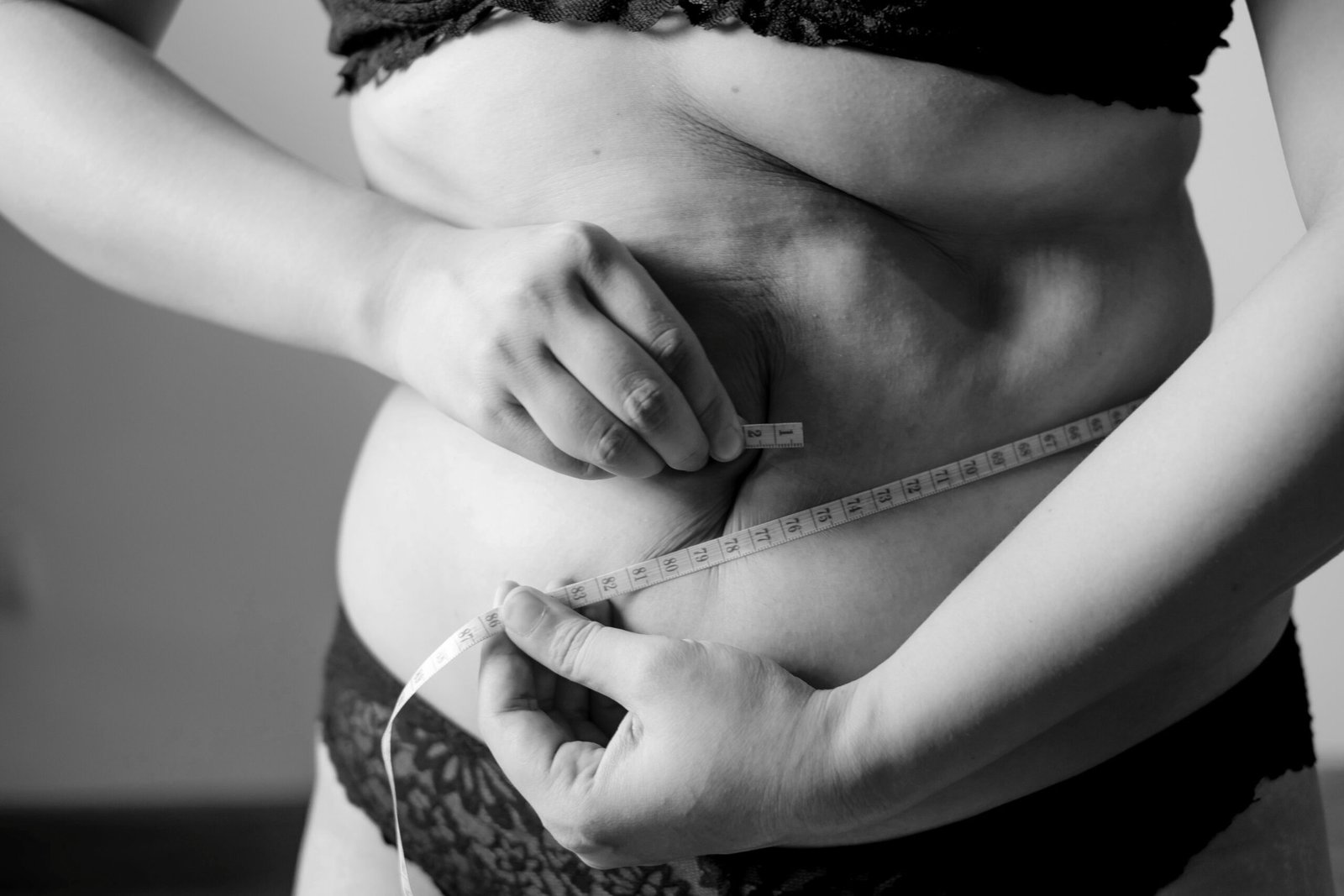
Perimenopause can bring some tricky changes, and weight management often tops the list of concerns. So, can you actually lose weight during this transition? Yes, you absolutely can, and it’s about making smart, sustainable changes. It’s less about drastic measures and more about understanding what your body needs right now.
1. Get Moving: The Power of a Balanced Workout Routine
Exercise is a cornerstone of weight loss at any age, but during perimenopause, it takes on an even more crucial role. Your metabolism might be shifting, and your body composition can change, so a well-rounded approach is key.
The Cardio Connection
Aim for about 150 minutes of moderate-intensity aerobic activity each week. This could be brisk walking, cycling, swimming, or dancing. The goal is to get your heart rate up and keep it there for a sustained period.
- Why it works: Cardio is fantastic for burning calories, improving cardiovascular health, and can also be a great mood booster, which is a definite plus during perimenopause.
- Making it practical: You don’t have to do it all at once. Break it up into 30-minute sessions five days a week, or even shorter, more frequent bursts. Find activities you genuinely enjoy; that’s the secret to sticking with it.
Don’t Forget Strength Training
Resistance training is equally important, if not more so, during perimenopause. As estrogen levels fluctuate, women can lose muscle mass, which in turn slows down their metabolism.
- Why it works: Building and maintaining lean muscle mass helps to boost your resting metabolic rate, meaning you burn more calories even when you’re not actively exercising. It also improves bone density, which is a significant concern for women in this stage of life.
- Making it practical: Aim for at least two to three strength training sessions per week. You can use weights, resistance bands, or even your own bodyweight. Focus on compound exercises that work multiple muscle groups, like squats, lunges, push-ups, and rows. Start with lighter weights and proper form to avoid injury, and gradually increase the resistance as you get stronger.
The Synergy of Both
The real magic happens when you combine aerobic activity and strength training. This duo tackles weight loss from multiple angles: burning calories during your workout and boosting your metabolism long-term.
- Putting it together: Consider scheduling your week to include both. For example, Mondays and Thursdays could be strength training days, while Tuesdays, Wednesdays, and Fridays are for cardio. Weekends can be for active recovery or longer outdoor adventures.
Navigating weight loss during perimenopause can be challenging due to hormonal fluctuations, but understanding effective strategies can make a significant difference. For those looking to slim down, incorporating targeted approaches can help, such as focusing on nutrition and exercise tailored to this life stage. For additional insights, you might find this article on 5 easy ways to slim down your face particularly useful, as it offers practical tips that can complement your weight loss journey during perimenopause.
2. Fuel Your Body: Prioritizing Protein and Fiber
What you eat plays a massive role, and during perimenopause, focusing on specific nutrients can make a real difference in how you feel and manage your weight.
Protein: Your Muscle’s Best Friend
Make sure you’re getting enough protein at every meal. Protein is essential for building and repairing tissues, and crucially, it helps preserve lean muscle mass.
- Why it works: Protein is very satiating, meaning it helps you feel fuller for longer, which can reduce cravings and overall calorie intake. It also has a higher thermic effect than fats or carbs, meaning your body burns more calories digesting it.
- Making it practical: Include a source of protein with every meal and snack. Think lean meats, poultry, fish, eggs, dairy, legumes, tofu, and tempeh. A good starting point might be aiming for about 20-30 grams of protein per meal.
Fiber: The Fullness Factor
Fiber is another powerhouse nutrient that’s incredibly beneficial for weight management, especially during perimenopause.
- Why it works: Fiber adds bulk to your meals, which contributes to feelings of fullness and can help prevent overeating. It also plays a role in regulating blood sugar levels, preventing those energy crashes that can lead to unhealthy snack choices.
- Making it practical: Load up on fruits, vegetables, whole grains, and legumes. Aim to fill half your plate with non-starchy vegetables at lunch and dinner. Swap refined grains for whole grain options like oats, quinoa, and brown rice. Nuts and seeds are also good sources of fiber.
Combining Protein and Fiber for Optimal Results
When you pair protein and fiber in your meals, you create a powerful combination for satiety and stable energy.
- Meal ideas: A breakfast of Greek yogurt with berries and a sprinkle of nuts, a lunch of a large salad with grilled chicken or chickpeas and a whole-grain roll, or dinner featuring baked salmon with roasted vegetables and quinoa. Snacks could include an apple with almond butter or a hard-boiled egg.
3. The Sweet Spot: A Modest Calorie Deficit
When it comes to reducing calorie intake, the key during perimenopause is to be strategic rather than restrictive. Extreme diets are rarely sustainable and can be counterproductive.
The Case for Gradual Loss
Instead of slashing your calories drastically, aim for a modest deficit. A reduction of about 500 calories per day is often recommended for gradual, sustainable weight loss.
- Why it works: A smaller deficit helps preserve muscle mass and prevents your metabolism from slowing down too much. It’s also much more manageable from a psychological perspective, making it easier to stick to long-term. Rapid weight loss often leads to regaining the weight just as quickly, if not faster.
- Making it practical: This deficit can be achieved through a combination of dietary adjustments and increased physical activity. Don’t obsess over exact numbers if it causes stress; focus on making healthier choices that naturally reduce your intake.
How to Achieve It Without Feeling Deprived
Reducing your intake by 500 calories doesn’t mean starving yourself. It’s about making smarter food choices and being mindful of portion sizes.
- Focus on nutrient-dense foods: Prioritize foods that offer a lot of nutrients for fewer calories. This means filling your plate with vegetables, lean proteins, and whole grains.
- Be mindful of liquid calories: Sugary drinks, excessive cream in coffee, and alcohol can add up quickly without providing much nutritional value or satiety.
- Listen to your body’s hunger and fullness cues: This is a crucial skill. Eat when you’re truly hungry and stop when you’re comfortably full, not stuffed.
- Smaller, more frequent meals: Some find that eating smaller meals more frequently helps manage hunger and prevent overeating at main meal times.
Using Tools Wisely (If You Choose)
If you find tracking helpful, you can use calorie counting apps or journals for a short period to get a better understanding of your current intake and where you can make adjustments. However, don’t let this become an obsession.
- It’s a guide, not a dictator: The goal is awareness, not rigid adherence if it causes distress. Focus on the overall pattern of your eating.
4. Sleep Your Way to Success: Protecting Your Zzz’s
You might think of sleep as a luxury, but during perimenopause, it’s a critical component of weight management. Poor sleep can seriously sabotage your efforts.
The Sleep-Weight Connection
When you don’t get enough quality sleep, your body’s hunger hormones can go haywire. Ghrelin, the hormone that stimulates appetite, can increase, while leptin, the hormone that signals fullness, can decrease.
- Why it works: This hormonal imbalance can lead to increased cravings, particularly for high-calorie, high-sugar foods. You might also find yourself feeling more tired and less motivated to exercise, creating a vicious cycle.
- Making it practical: Aim for at least 7 hours of quality sleep per night. This might seem challenging, but it’s a worthwhile investment in your health and weight management goals.
Building Better Sleep Habits (Sleep Hygiene)
Improving your sleep hygiene involves creating routines and an environment conducive to restful sleep.
- Consistent Schedule: Try to go to bed and wake up around the same time every day, even on weekends. This helps regulate your body’s natural sleep-wake cycle.
- Create a Relaxing Bedtime Routine: Wind down for an hour or so before bed. This could involve reading a book, taking a warm bath, gentle stretching, or listening to calming music.
- Optimize Your Bedroom Environment: Make sure your bedroom is dark, quiet, and cool. Consider blackout curtains, earplugs, or a white noise machine if needed.
- Limit Screen Time Before Bed: The blue light emitted from phones, tablets, and computers can interfere with melatonin production, making it harder to fall asleep. Try to put devices away at least an hour before bed.
- Watch Your Intake: Avoid caffeine and heavy meals close to bedtime. If you drink alcohol, be aware that while it might make you feel sleepy initially, it can disrupt sleep quality later in the night.
Addressing Perimenopause Symptoms That Affect Sleep
Hot flashes and night sweats are common perimenopause symptoms that can significantly disrupt sleep.
- Strategies: Keeping your bedroom cool, using breathable bedding, and discussing potential treatments for hot flashes with your doctor can all help improve sleep.
Navigating weight loss during perimenopause can be challenging, but understanding the changes your body undergoes can make a significant difference. For those looking to target specific areas, exploring effective strategies can be beneficial. A related article that offers practical tips is available at 5 Effective Ways to Slim Down Your Thighs, which provides insights that may complement your weight loss journey during this transitional phase.
5. Mind Your Intake: Limiting Alcohol and Added Sugars
Certain items on your plate, and in your glass, can be sneaky saboteurs of weight loss efforts, especially when you’re navigating hormonal shifts.
The Empty Calories of Alcohol
Alcohol is often referred to as “empty calories” because it provides calories but very little in terms of nutrients. Beyond that, it can impact your body in ways that hinder weight loss.
- Why it works: Alcohol can lower inhibitions, making you more likely to make less healthy food choices. It can also disrupt sleep and interfere with nutrient absorption. For some women, it can also exacerbate hot flashes.
- Making it practical: If you choose to drink, do so in moderation. Consider having an alcohol-free day or two each week. When you do drink, opt for lower-calorie options like wine spritzers or light beer, and be mindful of portion sizes.
The Sugar Trap
Added sugars are prevalent in many processed foods and drinks, and they can quickly contribute to excess calorie intake without providing much in the way of satisfaction.
- Why it works: Sugary foods and drinks can lead to rapid spikes and crashes in blood sugar, leaving you feeling tired and craving more sugar. They contribute to inflammation and can promote fat storage, particularly around the abdomen.
- Making it practical: Read food labels carefully and be aware of hidden sugars in items like yogurt, sauces, dressings, and breakfast cereals. Opt for whole, unprocessed foods as much as possible. If you have a sweet tooth, try satisfying it with fresh fruit, which provides fiber and nutrients along with natural sweetness.
Smart Swaps and Conscious Choices
Making conscious choices about what you consume can significantly impact your progress.
- Beverage swaps: Instead of sugary sodas or juices, reach for water, unsweetened tea, or sparkling water with a squeeze of lemon or lime.
- Snack smarter: Instead of reaching for candy or cookies, opt for a piece of fruit, a handful of nuts, or some raw vegetables with hummus.
- Savory over sweet: If you’re craving something, try to lean towards savory options that are rich in protein and fiber, as these are more likely to keep you satisfied.
6. Finding Your Calm: The Importance of Stress Management
Stress is a significant factor that can impact your body’s hormonal balance and, consequently, your ability to manage your weight, especially during perimenopause.
The Stress Hormone Connection
When you’re stressed, your body releases cortisol, a hormone that can trigger increased appetite and encourage the storage of fat, particularly in the abdominal area.
- Why it works: Chronic stress can lead to what’s sometimes called “belly fat.” It can also disrupt sleep and make it harder to stick to healthy eating and exercise routines, further complicating weight management.
- Making it practical: Developing effective stress management techniques is not a luxury; it’s a necessity for overall health and can be a powerful tool in your weight loss journey.
Practical Stress-Busting Strategies
There are many ways to manage stress, and the key is to find what works best for you.
- Mindfulness and Meditation: Even a few minutes of daily mindfulness or meditation can help calm your nervous system. There are many guided meditation apps and resources available.
- Deep Breathing Exercises: Simple, slow, deep breaths can be incredibly effective in reducing immediate stress. Practice inhaling deeply through your nose, holding for a moment, and exhaling slowly through your mouth.
- Yoga or Tai Chi: These practices combine gentle movement, breathwork, and mindfulness, making them excellent for stress reduction.
- Spending Time in Nature: A walk in a park or simply sitting outdoors can have a restorative effect.
- Engaging in Hobbies: Make time for activities you enjoy and that help you relax, whether it’s reading, gardening, painting, or listening to music.
- Journaling: Writing down your thoughts and feelings can be a cathartic way to process stress.
- Social Connection: Spending quality time with supportive friends and family can provide comfort and reduce feelings of isolation.
- Cognitive Behavioral Approaches: Techniques that help you identify and reframe negative thought patterns can be very effective in managing stress over the long term.
Integrating Stress Management into Your Day
The most effective stress management techniques are those that become a regular part of your routine.
- Start small: If you’re new to stress management, begin with just 5-10 minutes a day and gradually increase the time as you feel more comfortable.
- Schedule it in: Treat your stress management activities like any other important appointment and schedule them into your day.
7. Seeking Support: Medical and Hormonal Considerations
While lifestyle changes are foundational, sometimes additional support is beneficial, especially when navigating the complexities of perimenopause.
When to Consult a Clinician
If you’re struggling with weight management despite implementing these strategies, or if you’re experiencing significant perimenopausal symptoms that are impacting your quality of life, it’s a good idea to talk to your doctor.
- Why it works: A healthcare provider can offer personalized advice, rule out any underlying medical conditions, and discuss various treatment options. They can help you understand your individual needs and create a plan tailored to you.
Exploring Hormone Therapy (HT)
For some women, hormone therapy may be a helpful tool during perimenopause, and it can sometimes indirectly support weight management efforts.
- What to know: Hormone therapy replaces the estrogen and sometimes progesterone that your body is no longer producing in sufficient amounts. It can help alleviate a range of perimenopausal symptoms, including hot flashes, vaginal dryness, and mood swings.
- Impact on weight: While not a direct weight-loss treatment, by improving sleep quality and reducing severe hot flashes, HT can make it easier to stick to exercise and healthy eating plans. Some research also suggests it might influence body composition.
- Important caveat: Hormone therapy is a medical decision and should be discussed thoroughly with your doctor. They will assess your individual health history and risks to determine if HT is appropriate for you.
Other Medical Support Options
Beyond hormone therapy, your doctor might discuss other avenues of support.
- Medications: In some cases, certain medications might be considered to manage specific symptoms that are impacting your ability to lose weight, such as severe sleep disturbances or mood issues.
- Nutritional Guidance: A registered dietitian can provide in-depth dietary advice tailored to your perimenopausal stage.
- Referrals: Your doctor might refer you to specialists, such as endocrinologists or therapists, if they believe those areas of expertise would be beneficial.
Remember, perimenopause is a transition, and it’s okay to seek guidance and support. By focusing on these evidence-based strategies, you can navigate this phase with more confidence and achieve your weight management goals.
FAQs
1. What is perimenopause and how does it affect weight loss?
Perimenopause is the transitional period before menopause, typically occurring in women in their 40s and 50s. During this time, hormonal changes can lead to weight gain, particularly around the abdomen.
2. What are some effective strategies for losing weight during perimenopause?
Effective strategies for weight loss during perimenopause include regular exercise, particularly strength training to maintain muscle mass, and a balanced diet that includes plenty of fruits, vegetables, lean proteins, and whole grains.
3. Are there specific dietary changes that can help with weight loss during perimenopause?
During perimenopause, it’s important to focus on nutrient-dense foods and limit processed foods, sugar, and alcohol. Additionally, increasing protein intake and reducing refined carbohydrates can support weight loss efforts.
4. How does stress management play a role in weight loss during perimenopause?
Stress can contribute to weight gain during perimenopause, so managing stress through techniques such as meditation, yoga, or deep breathing exercises can support weight loss efforts.
5. Are there any medical considerations to keep in mind when trying to lose weight during perimenopause?
It’s important to consult with a healthcare professional before starting any weight loss program, especially during perimenopause. They can provide guidance on any potential hormonal imbalances or other medical factors that may impact weight loss.