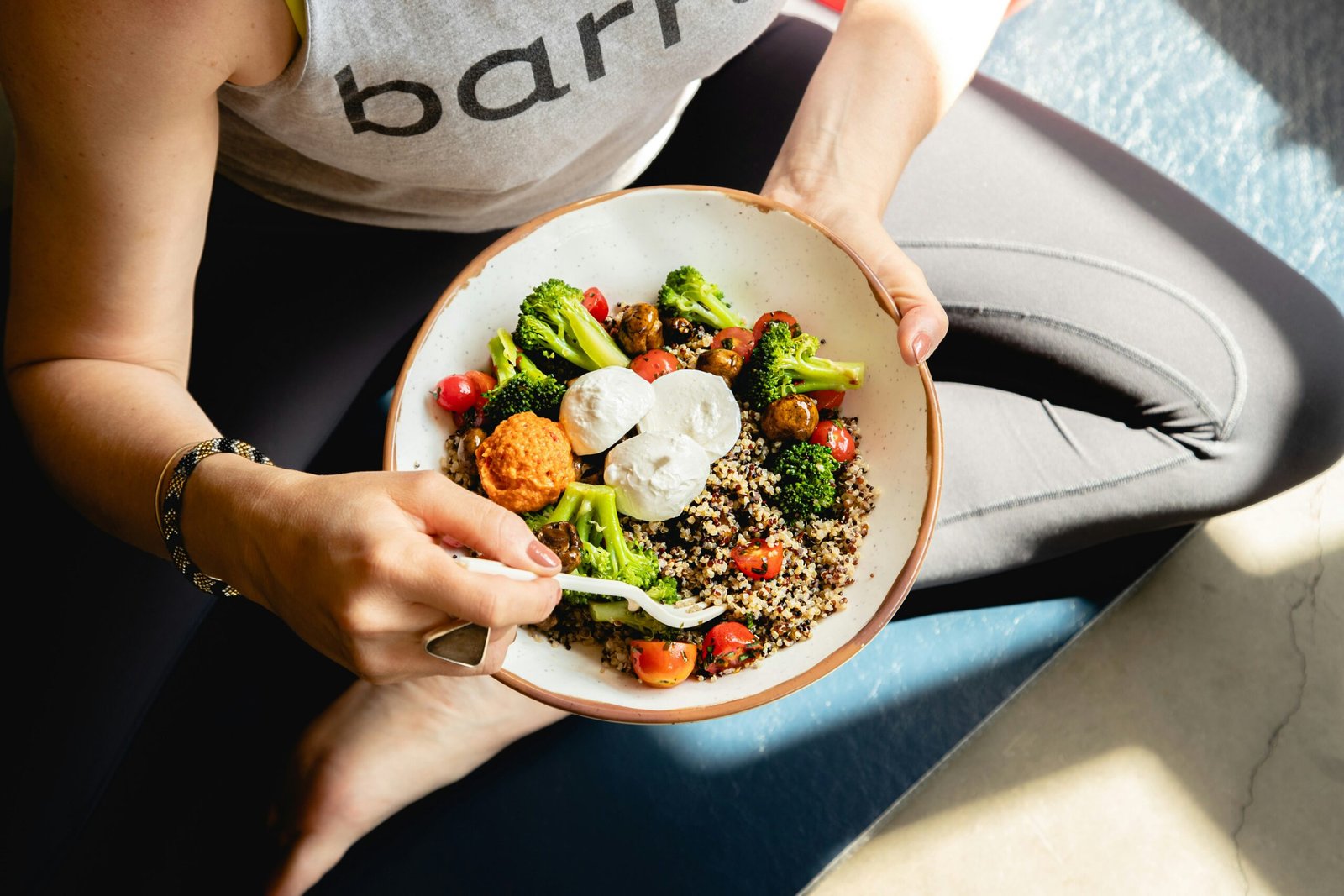
You’re asking about dropping a few pounds quickly, and let’s be honest, the idea of a “3-day weight loss plan” sounds tempting. While true, sustainable fat loss takes time and consistency, there are some practical, albeit temporary, strategies you can employ over a 72-hour period to shed some water weight and feel a bit lighter. It’s important to understand upfront that this isn’t about significant fat reduction in such a short span, but rather about reducing bloating and fluid retention.
When people talk about losing weight in just three days, it’s crucial to manage expectations. We’re not talking about magically melting away stubborn body fat. That requires a sustained calorie deficit over weeks and months. What can happen in 72 hours is primarily a reduction in water weight and a decrease in the amount of food sitting in your digestive system. Think of it as a “reset” or a way to feel less bloated and a bit leaner for a specific event.
The Myth of Rapid Fat Loss
Let’s clear the air right away: losing a significant amount of actual body fat in three days is physiologically impossible. Fat loss happens when you consistently consume fewer calories than your body burns over time. A deficit of 3,500 calories is generally considered the amount needed to lose one pound of fat. Trying to create that kind of deficit in just 72 hours would be extreme and unhealthy.
The Reality: Water Weight and Bloating
The noticeable changes people often experience within a few days are largely due to changes in hydration levels and the amount of glycogen stored in their muscles. Glycogen is a form of stored glucose, and it binds with water. When you reduce your carbohydrate intake, your body uses up these glycogen stores, and the associated water is released. This can lead to a quick drop on the scale, but it’s not fat.
Why the “3-Day Diet” Hype Exists
You’ve probably heard of things like the “Military Diet” or “Cardiac Diet.” These often involve very specific, restrictive food plans for three days, followed by a period of more normal eating. While they might show a number on the scale going down, it’s almost entirely water weight. These diets are not medically approved for a reason – they can be too restrictive and lack essential nutrients for longer periods.
If you’re looking for quick tips on how to lose weight in just three days, you might find it helpful to explore additional strategies that target specific areas of the body. One such article that offers practical advice is titled “5 Easy Ways to Slim Down Your Face.” This resource provides insights into facial exercises and dietary adjustments that can complement your weight loss journey. To read more, visit the article here: 5 Easy Ways to Slim Down Your Face.
Strategies for Temporary Weight Reduction in 72 Hours
If your goal is to feel less bloated and shed some superficial water weight for a short period, there are more sensible approaches than extreme fad diets. These focus on reducing sodium, managing carbohydrate intake temporarily, and staying well-hydrated.
The Low-Sodium Approach: Ditching the Bloat
Sodium is a major culprit when it comes to water retention. It makes your body hold onto extra fluid. Cutting back drastically on sodium for three days can make a noticeable difference in how puffy you feel.
Hidden Sodium Traps
You might be surprised where sodium lurks. Processed foods are the biggest offenders. Think:
- Canned soups and vegetables
- Pre-packaged meals
- Processed meats (deli meats, bacon, sausages)
- Salty snacks (chips, pretzels)
- Condiments (soy sauce, ketchup, salad dressings)
- Restaurant meals (often loaded with sodium)
Focus on Whole, Unprocessed Foods
The best way to cut sodium is to cook from scratch using fresh ingredients.
- Lean proteins: Fresh chicken breast, fish, eggs, tofu.
- Fruits and vegetables: All of them are naturally low in sodium.
- Whole grains: Plain oats, quinoa, brown rice (ensure no added salt).
- Healthy fats: Avocado, nuts, seeds (unsalted).
Seasoning Without Salt
You can still make your food flavorful! Experiment with:
- Herbs: Fresh or dried (basil, oregano, thyme, rosemary).
- Spices: Black pepper, garlic powder, onion powder, paprika, chili powder, cumin.
- Citrus: Lemon or lime juice adds brightness.
- Vinegars: Balsamic, apple cider, or red wine vinegar.
The Temporary Carb Reduction: Flushing Out Water
Reducing carbohydrate intake for a short period can also help release stored water. When you eat carbs, your body stores them as glycogen in your muscles and liver, and this glycogen binds with water. Cutting carbs for 48-72 hours depletes these stores.
What Does “Lower Carb” Mean Here?
This isn’t about a strict ketogenic diet, which is usually a longer-term commitment. For a 3-day window, it means being mindful of your carb sources and quantities.
- Focus on Non-Starchy Vegetables: These are your best friends. Think broccoli, spinach, kale, cauliflower, zucchini, bell peppers, asparagus, green beans. They are low in carbs and high in fiber and nutrients.
- Moderate Lean Protein: Include lean protein sources with each meal. This will help you feel full and satisfied. Examples: grilled chicken or fish, lean ground turkey, eggs, Greek yogurt (plain).
- Include Healthy Fats: Don’t fear healthy fats! They are essential and can help with satiety. Avocado, olive oil, nuts, and seeds are good choices in moderation.
- Limit or Avoid: Sugary drinks, bread, pasta, rice, potatoes, corn, most fruits (berries in very small quantities are usually okay), and processed snacks.
The Glycogen Factor
Remember, this reduction is about depleting glycogen. Once you return to your normal eating habits, especially if they include more carbohydrates, your body will replenish those stores, and the water weight will likely return. This is why it’s a temporary effect.
Hydration is Key: Drinking Your Way Lighter
It might sound counterintuitive, but drinking plenty of water is crucial for shedding water weight and overall well-being, especially during a short-term plan.
Why Water Helps
When you’re well-hydrated, your body doesn’t feel the need to hoard water. Dehydration can actually signal your body to retain fluid. Proper hydration also aids in digestion and nutrient transport.
How Much Water?
A general guideline is to aim for at least 8-10 glasses (64-80 ounces) of water per day. If you’re exercising, you’ll need even more. Listen to your body; thirst is a good indicator.
Beyond Plain Water
While plain water is best, you can also include:
- Herbal teas: Unsweetened.
- Sparkling water: Plain, without added sugar or artificial sweeteners.
- Water infused with fruit: Lemon, cucumber, mint.
What to Avoid
- Sugary drinks: Soda, juice, sweetened teas.
- Excessive caffeine: While moderate amounts are generally okay, too much can be dehydrating for some.
Movement and Sleep: Supporting Your Short-Term Goals

While intense workouts aren’t the focus for a 3-day plan, incorporating some light to moderate movement and prioritizing sleep can significantly support your efforts.
Gentle Daily Movement
Focus on activities that help with circulation and overall well-being without overly taxing your body.
Recommended Activities
- Walking: Aim for 30-60 minutes of brisk walking each day. This is accessible, effective, and great for burning some calories.
- Light Yoga or Stretching: Helps with flexibility, reduces stress, and can improve digestion.
- Low-Impact Cardio: Activities like cycling at a moderate pace or using an elliptical machine.
What to Avoid
- Extreme High-Intensity Interval Training (HIIT) or heavy lifting: While great for long-term fitness, these can be overly taxing during a calorie-restricted period and may not be the primary focus for quick water weight reduction.
- Overtraining: Listen to your body. If you feel excessively fatigued, scale back.
The Power of Sleep
Adequate sleep is often overlooked but is fundamental for hormone regulation, which impacts appetite and metabolism.
Why Sleep Matters
- Hormone Balance: Lack of sleep can disrupt ghrelin (hunger hormone) and leptin (satiety hormone), leading to increased cravings, particularly for high-calorie foods.
- Stress Reduction: Sleep helps manage cortisol, a stress hormone that can encourage fat storage, especially around the midsection.
- Recovery: It allows your body to repair and rejuvenate, which is important even for short-term efforts.
Aim for Quality Sleep
- Consistency: Try to go to bed and wake up around the same time each day, even on weekends.
- Environment: Make your bedroom dark, quiet, and cool.
- Wind-Down Routine: Avoid screens before bed and engage in relaxing activities like reading or a warm bath.
What About Fasting? Risks and Considerations

The idea of a 3-day water fast is also discussed in the context of quick weight loss. While it can lead to a drop on the scale, it’s a more aggressive approach with significant considerations.
The 72-Hour Water Fast
This involves consuming only water for 72 hours. The weight loss experienced is a combination of water loss, emptied digestive tract, and some fat burning.
Potential Downsides of Water Fasting
- Nutrient Deficiencies: Even over three days, you’re missing out on essential vitamins, minerals, and electrolytes.
- Fatigue and Weakness: Many people experience significant energy dips, headaches, and dizziness.
- Electrolyte Imbalances: This can be dangerous and lead to serious health issues.
- Not Sustainable: The rapid weight loss is primarily water, and it’s very easy to regain once you start eating again.
- Not Suitable for Everyone: Individuals with certain medical conditions (e.g., diabetes, heart conditions) should absolutely not attempt this.
Medical Supervision is Key
If you are considering any form of prolonged fasting, it is imperative to consult with a healthcare professional first. They can assess your health status and advise on whether it’s safe for you, and if so, how to approach it with minimal risk.
If you’re looking for quick tips on shedding some pounds, you might find it helpful to explore a related article that discusses effective strategies for weight loss in a short time frame. Many people are curious about how to lose weight in 3 days, and this article offers insights that could complement your journey. For more information, check out this informative guide that provides practical advice and meal suggestions to help you achieve your goals.
Important Disclaimers and Realistic Expectations
| Day | Activity | Calories Burned | Water Intake | Meal Plan |
|---|---|---|---|---|
| Day 1 | Cardio Exercise | 300 | 8 glasses | Low-carb, high-protein |
| Day 2 | Strength Training | 250 | 10 glasses | Vegetables, lean protein |
| Day 3 | Yoga or Pilates | 200 | 12 glasses | Fruits, whole grains |
It’s vital to approach any short-term weight loss strategy with caution and a realistic mindset.
Not a Solution for Long-Term Health
These 3-day methods are for temporary reduction of water weight and bloating. They are not a substitute for a balanced, sustainable diet and regular exercise that promotes long-term health and fat loss.
Listen to Your Body
If you feel unwell, dizzy, or excessively fatigued at any point, stop the plan and consult a healthcare provider. Your health is the priority.
Consulting a Professional
For personalized advice tailored to your health needs and goals, always consult with a doctor or a registered dietitian. They can help you create a safe and effective plan.
FAQs
1. Is it possible to lose weight in 3 days?
Yes, it is possible to lose weight in 3 days, but it is important to note that the amount of weight lost in such a short time frame is likely to be minimal and may not be sustainable in the long term.
2. What are some effective strategies for losing weight in 3 days?
Some effective strategies for losing weight in 3 days include increasing physical activity, reducing calorie intake, drinking plenty of water, and focusing on consuming whole, nutrient-dense foods.
3. Are there any risks associated with trying to lose weight quickly?
Yes, there are risks associated with trying to lose weight quickly, including potential nutrient deficiencies, muscle loss, and a slower metabolism. It is important to consult with a healthcare professional before embarking on any rapid weight loss plan.
4. Can I expect to see significant results in just 3 days?
While it is possible to see some initial weight loss in 3 days, it is unlikely to be significant. Sustainable weight loss typically occurs over a longer period of time with consistent healthy habits.
5. What are some long-term strategies for achieving and maintaining a healthy weight?
Long-term strategies for achieving and maintaining a healthy weight include regular physical activity, a balanced and nutritious diet, adequate sleep, stress management, and seeking support from healthcare professionals or a registered dietitian.
1 thought on “3-Day Weight Loss: Quick and Effective Methods”