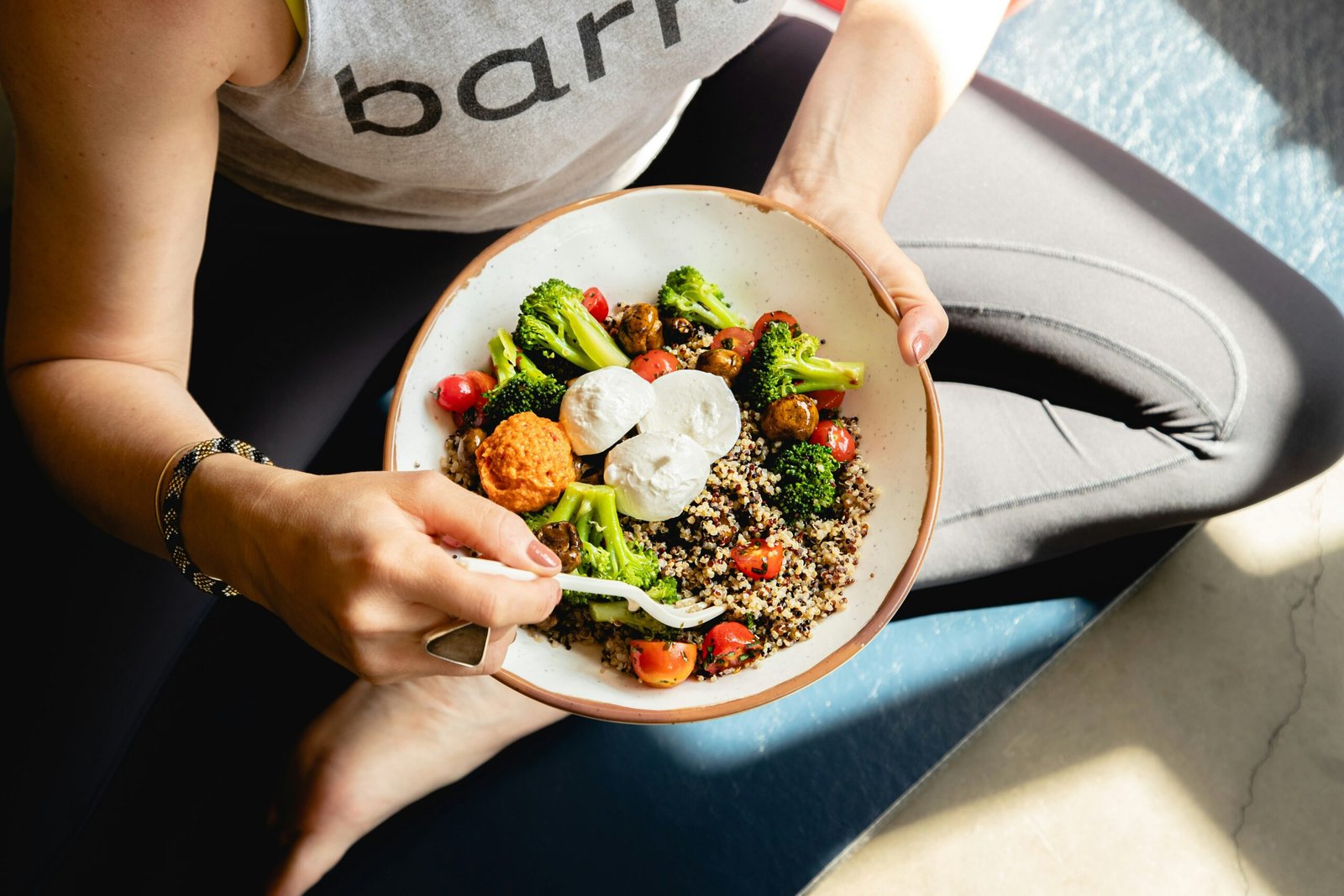
Losing weight in 30 days isn’t about magic pills or extreme deprivation. It’s about making smart, sustainable changes to your eating and activity habits. The good news is, you can definitely see progress in just a month if you focus on a few key areas.
1. Get Serious About Tracking Your Food
Let’s be honest, we often underestimate how much we’re actually eating. For at least the first two weeks, commit to tracking everything that goes into your mouth. This isn’t about judgment; it’s about awareness.
Why Tracking Works
- Reveals Hidden Calories: You might be surprised at the calories in those “healthy” snacks, dressings, or extra handfuls of nuts. Tracking brings these to light.
- Builds Accountability: Simply writing it down, or logging it in an app, makes you more mindful of your choices.
- Identifies Patterns: You can start to see when and why you tend to overeat, whether it’s boredom, stress, or a specific time of day.
How to Do It Effectively
- Use an App: There are tons of user-friendly apps like MyFitnessPal, Lose It!, or Cronometer. They have large food databases and make logging quick.
- Be Precise: Weighing food, especially calorie-dense items like oils and nuts, can be eye-opening.
- Don’t Skip Anything: Even that one cookie or sip of soda counts. Honesty is key for accurate data.
- Focus on the “Why”: If you find yourself struggling to track, ask yourself why. Is it too time-consuming? Are you forgetting? Address the barrier.
If you’re looking for effective strategies to shed pounds in just one month, you might find this article on Funny Donna particularly helpful. It offers practical tips and a structured plan that can guide you through your weight loss journey, making it easier to achieve your goals in a short time frame. Whether you’re interested in dietary changes, exercise routines, or motivational techniques, this resource covers a variety of approaches to help you succeed.
2. Power Up with Protein at Every Meal
Protein is a superstar for weight loss. It keeps you feeling full, which means you’re less likely to reach for unhealthy snacks between meals. Plus, it plays a vital role in preserving muscle mass while you’re shedding fat.
Protein’s Role in Satiety
- Sustained Fullness: Protein takes longer to digest than carbohydrates or fats, leading to a prolonged feeling of fullness and satisfaction.
- Hormonal Influence: It helps regulate appetite hormones like ghrelin (the hunger hormone) and peptide YY (which signals fullness).
Muscle Preservation and Metabolism
- Essential for Building and Repairing: When you lose weight, you want to lose fat, not muscle. Protein provides the building blocks for muscle tissue.
- Metabolic Boost: Muscle is metabolically active, meaning it burns calories even at rest. Maintaining muscle helps keep your metabolism humming.
Smart Protein Choices
- Lean Meats: Chicken breast, turkey, lean beef.
- Fish: Salmon, tuna, cod.
- Eggs: A complete protein source, perfect for breakfast.
- Dairy: Greek yogurt, cottage cheese, milk.
- Legumes: Beans, lentils, chickpeas.
- Tofu and Tempeh: Great plant-based options.
3. Step Up Your Daily Step Count
You don’t need to become a marathon runner overnight. Simply increasing your daily physical activity, particularly walking, can make a significant difference in your calorie expenditure and overall health.
The Benefits of Consistent Walking
- Calorie Burn: Walking, especially at a brisk pace, burns calories. The more you move, the more you burn.
- Improved Cardiovascular Health: It strengthens your heart and lungs, contributing to better overall fitness.
- Mood Booster: Physical activity releases endorphins, which can help reduce stress and improve your mood, making it easier to stick to your plan.
- Accessibility: Walking requires no special equipment and can be done almost anywhere, anytime.
Aiming for Your Target
- Start Where You Are: If you’re currently sedentary, aim for an extra 2,000-3,000 steps a day to start.
- Gradual Increase: Slowly build up to the 7,000-10,000 step goal.
- Break It Up: You don’t have to do it all at once. Take short walks throughout the day – during lunch breaks, after dinner, or even a quick stroll before bed.
- Make it Enjoyable: Listen to podcasts, audiobooks, or call a friend while you walk. Explore new routes.
4. Dial Down the Liquid Calories
This is a big one that many people overlook. Those drinks that seem harmless can pack a serious calorie punch without providing much in the way of satiety.
The Sneaky Calories in Drinks
- Sugary Drinks: Sodas, fruit juices, sweetened iced teas, and lemonade are loaded with sugar and empty calories.
- Specialty Coffees: Lattes, cappuccinos with syrups, whipped cream, and sugar can easily add hundreds of calories.
- Alcohol: Alcohol contains calories, and it can also lower your inhibitions, potentially leading to less healthy food choices.
What to Sip Instead
- Water, Water, Water: Your primary beverage should be water. It’s calorie-free and essential for countless bodily functions.
- Unsweetened Tea: Black, green, or herbal teas are great options.
- Black Coffee: Enjoy your coffee without added sugar or cream.
- Sparkling Water: A good alternative if you crave carbonation. Add a squeeze of lemon or lime for flavor.
Smart Hydration Strategies
- Drink Water Before Meals: This can help you feel fuller, potentially leading you to eat less.
- Carry a Water Bottle: Having water readily available makes it easier to stay hydrated throughout the day.
- Set Reminders: If you tend to forget to drink, set alarms on your phone.
If you’re looking to shed some pounds in just one month, it’s essential to adopt a comprehensive approach that includes diet, exercise, and lifestyle changes. A great resource to consider is an article that discusses effective strategies specifically for targeting thigh fat, which can be a common concern for many. You can check out the article on slimming down your thighs to discover practical tips that can complement your weight loss journey. By incorporating these strategies, you can enhance your overall results and feel more confident in your body.
5. Prioritize Whole Foods and Ditch the Processed Stuff
Ultra-processed foods are engineered to be hyper-palatable and often high in sugar, unhealthy fats, and sodium, while being low in nutrients and fiber. Cutting back is a straightforward way to improve your diet and aid weight loss.
Why Whole Foods Win
- Nutrient-Dense: They provide vitamins, minerals, and fiber that your body needs to function optimally.
- More Filling: The fiber and protein in whole foods help you feel satisfied for longer.
- Simpler Ingredients: You can recognize what’s in them.
Identifying Processed Foods to Limit
- Packaged Snacks: Chips, cookies, crackers, sugary cereals.
- Pre-Made Meals: Many frozen dinners and ready-to-eat meals are highly processed.
- Processed Meats: Sausages, hot dogs, deli meats.
- Sweetened Beverages: (as mentioned earlier).
Building Your Plate with Whole Foods
- Vegetables: Aim to fill half your plate with a variety of colorful vegetables at every meal.
- Fruits: Enjoy whole fruits as snacks or in moderation with meals.
- Lean Proteins: As discussed, focus on minimally processed sources.
- Whole Grains: Oats, quinoa, brown rice, whole wheat bread.
- Healthy Fats: Avocados, nuts, seeds, olive oil.
6. Embrace Strength Training a Few Times a Week
While cardio is great for burning calories, strength training is crucial for building and maintaining muscle mass, which has a direct impact on your metabolism.
The Metabolic Advantage of Muscle
- Higher Calorie Burn: Muscle tissue burns more calories at rest than fat tissue. The more muscle you have, the higher your resting metabolic rate.
- Body Composition: Strength training helps you achieve a more toned and sculpted physique, even if the scale doesn’t move dramatically.
Getting Started with Strength Training
- Focus on Compound Movements: Exercises that work multiple muscle groups at once are the most efficient. Think squats, deadlifts, lunges, push-ups, and rows.
- Bodyweight Exercises: You can start with exercises like squats, push-ups, planks, and lunges using just your body weight.
- Resistance Bands and Free Weights: As you get stronger, you can incorporate resistance bands, dumbbells, or barbells.
- Consistency is Key: Aim for 2-3 strength training sessions per week, allowing at least one rest day between sessions for muscle recovery.
- Proper Form: It’s more important to do the exercises correctly than to lift heavy weights. Watch videos or consider a session with a trainer to learn proper technique.
7. Master Portion Control and Mindful Eating
Even with the healthiest foods, overeating can still derail your progress. Learning to manage your portions and eat more mindfully can help you feel satisfied with less.
The Power of Mindful Eating
- Pay Attention to Hunger Cues: Eat when you’re truly hungry and stop when you’re comfortably full, not stuffed.
- Slow Down: It takes your brain about 20 minutes to register that you’re full. Eating slowly allows this signal to get through.
- Eliminate Distractions: Avoid eating in front of the TV, computer, or while scrolling on your phone. Focus on your food.
- Savor Each Bite: Pay attention to the taste, texture, and aroma of your food.
Practical Portion Control Tips
- Use Smaller Plates and Bowls: This can visually make your portions look larger.
- Read Nutrition Labels: Understand serving sizes and calorie content.
- Measure Foods: Especially calorie-dense items like pasta, rice, or nuts, until you develop a good sense of appropriate portions.
- Don’t Eat Directly from Packages: Portion out snacks into a bowl or container.
- Listen to Your Body: Learn to recognize when you’re satisfied.
8. Get Consistent, Quality Sleep
Sleep is often overlooked in weight loss, but it plays a surprisingly significant role in regulating hormones that control appetite and metabolism.
Sleep’s Impact on Weight
- Hormonal Balance: Lack of sleep can disrupt ghrelin and leptin, the hormones that signal hunger and fullness, leading to increased cravings and overeating.
- Cortisol Levels: Poor sleep can increase cortisol, a stress hormone that can promote fat storage, particularly around the abdomen.
- Energy Levels: When you’re well-rested, you have more energy for exercise and are less likely to opt for convenience foods.
Tips for Better Sleep
- Establish a Regular Sleep Schedule: Go to bed and wake up around the same time every day, even on weekends.
- Create a Relaxing Bedtime Routine: Wind down for an hour before bed with activities like reading, taking a warm bath, or listening to calming music.
- Optimize Your Sleep Environment: Make sure your bedroom is dark, quiet, and cool.
- Limit Screen Time Before Bed: The blue light emitted from electronic devices can interfere with melatonin production.
- Avoid Caffeine and Alcohol Before Bed: These can disrupt sleep patterns.
9. Maintain a Calorie Deficit
At its core, weight loss comes down to consuming fewer calories than your body burns. This doesn’t mean starving yourself, but rather making smart choices to create a sustainable energy gap.
Understanding the Calorie Deficit
- Energy In vs. Energy Out: You need to consume fewer calories than your body uses through its basal metabolic rate (BMR) and daily activities.
- Sustainable Deficit: Aim for a moderate deficit (e.g., 500-750 calories per day) to lose about 1-1.5 pounds per week. Drastic deficits can be unhealthy and unsustainable.
How to Achieve a Deficit
- Combine Diet and Exercise: The most effective approach is to reduce calorie intake through your diet and increase calorie expenditure through physical activity.
- Focus on Nutrient-Dense Foods: Foods high in nutrients but lower in calories (like vegetables and lean proteins) help you feel full without overconsuming calories.
- Be Mindful of “Hidden” Calories: As mentioned, liquid calories, cooking oils, and dressings can add up quickly.
- Track Your Intake: This helps you understand your current calorie consumption and where you can make reductions.
- Listen to Your Body: While tracking is important, also pay attention to how your body feels. If you’re constantly feeling deprived or extremely hungry, your deficit might be too large.
10. Stay Hydrated Throughout the Day
Drinking enough water is fundamental for overall health and can be a surprisingly effective tool for weight management.
Water’s Role in Weight Loss
- Appetite Suppression: Drinking a glass of water before a meal can help you feel fuller, potentially leading to eating less.
- Metabolism Boost: While not dramatic, some studies suggest that drinking cold water can temporarily boost your metabolism as your body works to warm it.
- Flushing Toxins: Water is essential for your body’s detoxification processes.
- Energy and Performance: Dehydration can lead to fatigue, which can make it harder to exercise and stick to your diet.
Practical Hydration Habits
- Start Your Day with Water: Drink a glass upon waking to rehydrate after sleep.
- Keep a Water Bottle Handy: Carry one with you and sip throughout the day.
- Flavor Your Water Naturally: Add slices of lemon, lime, cucumber, or berries for a refreshing taste without added sugar.
- Drink Water Between Meals: This can help curb unnecessary snacking.
- Listen to Your Thirst Cues: Don’t wait until you’re parched to drink.
FAQs
1. Is it safe to lose weight in one month?
Yes, it is generally safe to lose weight in one month if it is done in a healthy and sustainable manner. It is recommended to aim for a weight loss of 1-2 pounds per week, which is considered safe and achievable.
2. What are some effective strategies for losing weight in one month?
Effective strategies for losing weight in one month include following a balanced and nutritious diet, engaging in regular physical activity, staying hydrated, getting enough sleep, and managing stress levels. It is important to create a calorie deficit through a combination of diet and exercise.
3. Are there any specific foods to avoid when trying to lose weight in one month?
When trying to lose weight in one month, it is advisable to avoid or limit consumption of processed foods, sugary snacks and beverages, high-fat and high-calorie foods, and excessive amounts of refined carbohydrates. Instead, focus on consuming whole, nutrient-dense foods such as fruits, vegetables, lean proteins, and whole grains.
4. How much exercise is recommended for losing weight in one month?
For weight loss in one month, it is recommended to engage in at least 150 minutes of moderate-intensity aerobic activity or 75 minutes of vigorous-intensity aerobic activity per week, along with muscle-strengthening activities on two or more days per week. It is important to find an exercise routine that is enjoyable and sustainable.
5. What are some tips for staying motivated during a one-month weight loss journey?
Staying motivated during a one-month weight loss journey can be achieved by setting realistic and achievable goals, tracking progress, seeking support from friends or a support group, rewarding oneself for reaching milestones, and focusing on the positive changes in overall health and well-being. It is important to stay patient and consistent with the chosen weight loss plan.
1 thought on “10 Proven Ways to Lose Weight in 30 Days”