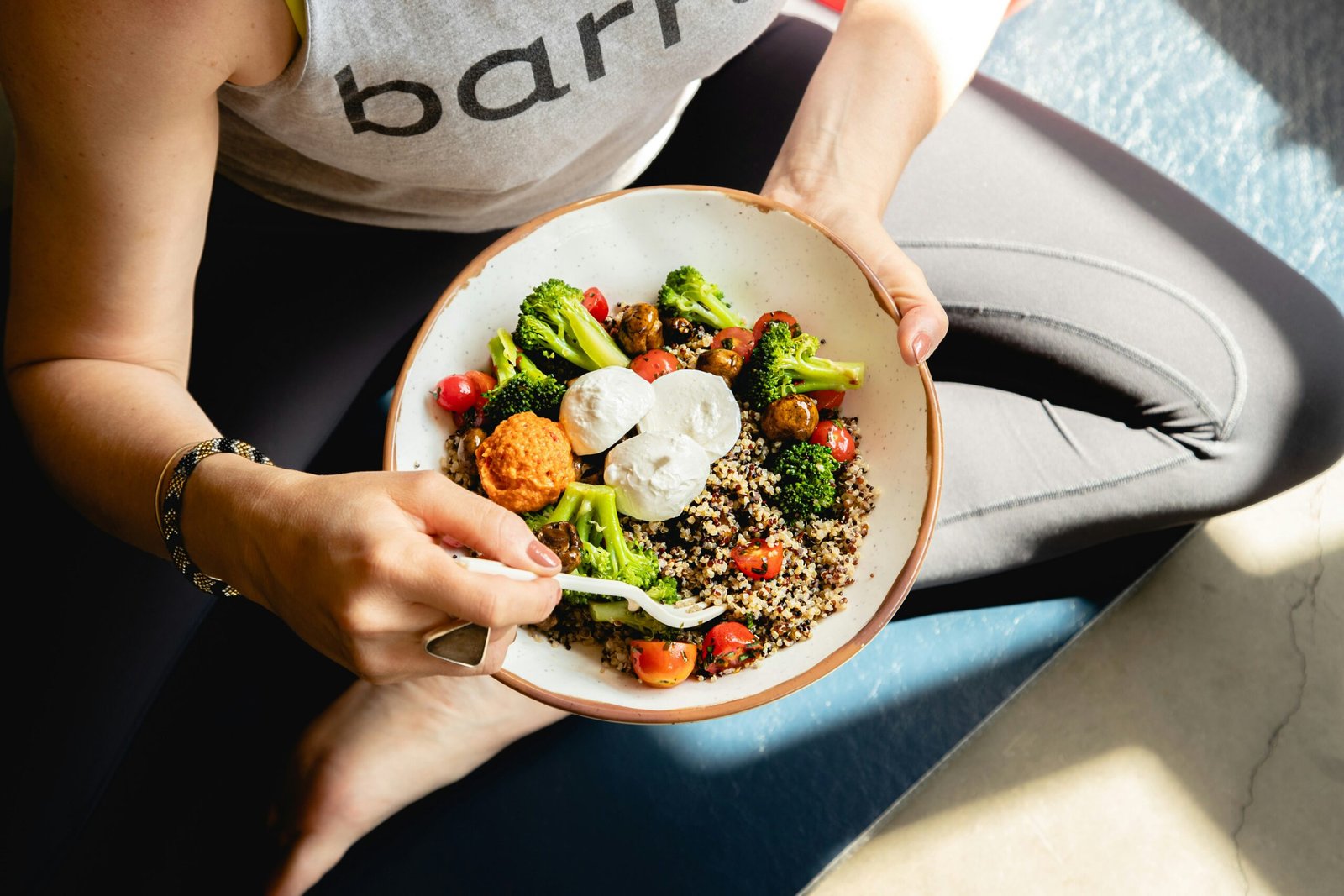
Okay, let’s dive into how you can make some real progress on your weight loss journey over the next two months. The good news is, it’s entirely doable with the right approach. You’re looking at shedding roughly 8 to 16 pounds in that timeframe, and it’s less about drastic measures and more about smart, consistent changes.
1. Get Your Calories in Check (The Foundation)
This is the bedrock of weight loss, plain and simple. You need to consume fewer calories than your body uses. Think of it like a budget; you have to spend less than you earn to have money left over. For weight loss, that “left over” is energy from your stored fat.
How to Actually Do It
- Understand Your Needs (Roughly): You don’t need to be a mathematician, but having a general idea of your daily calorie expenditure helps. Online calculators can give you a starting point, but remember they’re just estimates.
- Create a Sustainable Deficit: Aiming for a deficit of 500-750 calories per day is a common recommendation. This is enough to see results without feeling deprived. Too large a deficit can lead to fatigue, nutrient deficiencies, and make it harder to stick to.
- Focus on Nutrient Density: This isn’t just about cutting calories; it’s about making those calories count. Prioritize foods that offer a lot of nutrients for their calorie cost. Think lean proteins, lots of veggies, and whole grains.
Why It Works
When you consistently eat fewer calories than you burn, your body has to tap into its fat reserves for energy. This is the fundamental principle behind fat loss. It’s not magic; it’s basic energy balance.
If you’re looking for effective strategies to shed those extra pounds in just two months, you might find this article on weight loss tips particularly helpful. It offers practical advice and insights that can complement your journey towards a healthier lifestyle. For more information, check out the article here: Weight Loss Tips.
2. Protein Power: Your Hunger’s Best Friend
If there’s one macronutrient to really focus on for weight loss, it’s protein. It does a few key things that make the whole process smoother and more effective.
Keeping You Fuller for Longer
- Satiety Factor: Protein is known for its ability to make you feel full and satisfied after eating. This is crucial for managing hunger pangs and preventing overeating, especially between meals.
- Slower Digestion: Your body takes longer to digest protein compared to carbs and fats, which means you stay feeling full for a more extended period.
Protecting Your Muscles
- Muscle Preservation: When you’re in a calorie deficit, your body can break down muscle for energy. Eating enough protein helps signal your body to hold onto that precious muscle mass.
- Metabolic Boost: Muscle tissue burns more calories at rest than fat tissue. So, preserving muscle helps keep your metabolism from slowing down too much during your weight loss period.
Where to Find It
- Lean Meats: Chicken breast, turkey, lean beef cuts.
- Fish: Salmon, tuna, cod.
- Eggs: A complete protein source that’s incredibly versatile.
- Dairy: Greek yogurt, cottage cheese.
- Plant-Based Options: Lentils, beans, tofu, tempeh, edamame.
3. Ditch the Refined Stuff (Sugar & White Carbs)
This is where many people find significant wins. Refined carbohydrates and added sugars are often high in calories, low in nutrients, and don’t keep you full for long.
The Sneaky Culprits
- Sugary Drinks: Sodas, sweetened juices, energy drinks – these are calorie bombs with zero nutritional value and can trigger cravings.
- Sweets and Desserts: Cookies, cakes, pastries, candy. While delicious in moderation, they often contribute to a calorie surplus.
- Processed Snacks: Chips, crackers, and many pre-packaged “diet” snacks can be loaded with refined flours, unhealthy fats, and added sugars.
- White Bread and Pasta: These are stripped of their fiber and nutrients during processing, leading to quicker digestion and less sustained energy.
What to Swap Them For
- Whole Grains: Opt for whole wheat bread, brown rice, quinoa, and oats. They offer more fiber and sustained energy.
- Natural Sweeteners (in moderation): If you need sweetness, try small amounts of fruit.
- Focus on Whole Foods: Prioritize foods in their natural state.
Why This Matters
Cutting back on these items not only reduces your calorie intake significantly but also helps stabilize your blood sugar levels. This can lead to fewer energy crashes and cravings, making it easier to stick to your goals.
4. Veggies, Fruits, and Fiber: Your Volume Eaters
Think of these as your secret weapons for feeling satisfied without overdoing the calories. They’re packed with nutrients and water, which are essential for health and fullness.
The Fullness Factor
- High Volume, Low Calories: Vegetables, in particular, are incredibly low in calories but take up a lot of space in your stomach, thanks to their water and fiber content. This sends signals to your brain that you’re full.
- Fiber’s Role: Fiber adds bulk to your meals and slows down digestion, further contributing to satiety. It also plays a crucial role in gut health.
Nutrient Powerhouses
- Vitamins and Minerals: Fruits and vegetables are loaded with essential vitamins and minerals that your body needs to function optimally, especially when you’re in a calorie deficit.
- Antioxidants: These compounds help protect your cells from damage.
Making it Happen
- Fill Half Your Plate: Make a conscious effort to fill at least half of your plate with non-starchy vegetables at every meal.
- Snack Smart: Reach for an apple, a handful of berries, or some carrot sticks instead of processed snacks.
- Smoothie Boost: Add spinach or kale to your morning smoothie – you won’t even taste it, but you’ll get the fiber and nutrients.
- Beans and Lentils: Incorporate these into soups, salads, and stews for an extra fiber and protein boost.
If you’re looking to shed some pounds in just two months, it’s essential to follow a structured plan that combines healthy eating with regular exercise. One helpful resource to consider is a comprehensive guide that outlines a seven-day weight loss plan designed to kickstart your journey. You can find this informative article by clicking on this link, which offers practical tips and strategies to help you achieve your weight loss goals effectively. Remember, consistency and dedication are key to seeing results in your two-month transformation.
5. Portion Control and Mindful Eating: The “How Much” and “How”
It’s not just about what you eat, but also how much and how you eat it. This is where many people unknowingly sabotage their efforts.
Taming the Portions
- Visual Cues: Use smaller plates and bowls. A portion that might seem small on a large plate can look substantial on a smaller one, tricking your brain into feeling satisfied with less.
- Serving Sizes: Be mindful of serving sizes on packaging. Often, a “serving” is much smaller than what most people consume.
- Restaurant Awareness: Restaurant portions are often overly generous. Consider sharing a meal or taking half home before you even start eating.
The Mindful Approach
- No Distractions: This is a big one. Eating while watching TV, scrolling through your phone, or working can lead to “mindless eating.” You’re not paying attention to your food, so you tend to eat more without realizing it.
- Eat Slowly: Put your fork down between bites. Chew your food thoroughly. This gives your brain time to register that you’re eating and signal fullness.
- Listen to Your Body: Learn to distinguish between true hunger and emotional hunger or boredom. Eat when you’re physically hungry and stop when you’re comfortably full, not stuffed.
Practical Tips
- Pre-Portion Snacks: Pack snacks into individual containers or bags so you’re less likely to overeat from the main package.
- Use a Food Diary: This can help you become more aware of your portion sizes and eating habits.
6. Hydration Station: More Than Just Thirst Quenching
Water is a superstar when it comes to weight loss. It’s calorie-free, essential for bodily functions, and can play a surprisingly big role in managing your appetite.
The Benefits of Water
- Appetite Suppression: Sometimes, thirst can be mistaken for hunger. Drinking a glass of water before a meal can help you feel fuller and potentially eat less.
- Metabolism Boost: Staying adequately hydrated is crucial for optimal metabolic function. While not a magic bullet, it supports your body’s calorie-burning processes.
- Aids Digestion and Nutrient Absorption: Water is essential for breaking down food and absorbing the nutrients from the foods you eat.
- Detoxification: Your kidneys rely on water to flush out waste products and toxins from your body.
Making it a Habit
- Carry a Water Bottle: Keep a reusable water bottle with you throughout the day and sip on it regularly.
- Start Your Day with Water: Drink a glass of water as soon as you wake up to rehydrate after sleep.
- Flavor it Up (Naturally): If plain water is a challenge, add slices of lemon, lime, cucumber, or berries for a refreshing twist without added sugar.
- Swap Sugary Drinks: Consciously replace sodas, sweetened teas, and juices with water. This is a simple yet impactful change.
How Much is Enough?
While the old “eight glasses a day” is a good starting point, your needs can vary based on activity level, climate, and individual physiology. A general guideline is to aim for at least half an ounce to one ounce of water per pound of body weight daily.
7. Move More: Get Your Body Working
Exercise is a vital component of weight loss and overall health. It burns calories, builds muscle, and has a host of other benefits that support your journey.
Cardio for Calorie Burn
- The Basics: Activities like brisk walking, jogging, cycling, swimming, and dancing are excellent for burning calories and improving cardiovascular health.
- Aim for Consistency: The recommendation is often around 150 minutes of moderate-intensity aerobic activity per week. This breaks down to about 30 minutes most days of the week.
- Find What You Enjoy: The key to consistency is finding activities you genuinely like. If you dread your workouts, you’re unlikely to stick with them.
Brisk Walking: The Accessible Option
- Easy to Start: Brisk walking requires no special equipment and can be done almost anywhere.
- Building Momentum: Start with shorter walks and gradually increase the duration and pace. Even incorporating extra walking into your day – taking the stairs, parking further away – adds up.
Beyond Just Burning Calories
- Mood Booster: Exercise releases endorphins, which can improve your mood and reduce stress.
- Improved Sleep: Regular physical activity can lead to better sleep quality, which is crucial for weight management.
8. Strength Training: Building Your Metabolism Engine
While cardio burns calories during the activity, strength training offers long-term benefits for fat loss by building and preserving muscle mass.
The Muscle-Fat Connection
- Metabolic Rate: Muscle tissue is metabolically active, meaning it burns more calories at rest than fat tissue. The more muscle you have, the higher your resting metabolic rate (RMR).
- Preserving Muscle During Deficit: As mentioned earlier, when you’re in a calorie deficit, your body can break down muscle for energy. Strength training signals your body to prioritize muscle retention, ensuring that the weight you lose is primarily fat.
How to Incorporate It
- Frequency: Aim for 2-3 strength training sessions per week, allowing for rest days in between to allow your muscles to recover and grow.
- Full Body Approach: Focus on compound exercises that work multiple muscle groups at once. This is more efficient and effective. Examples include:
- Squats
- Lunges
- Push-ups (or knee push-ups)
- Rows (using dumbbells, resistance bands, or machines)
- Planks
- Progressive Overload: To continue seeing results, gradually increase the challenge over time. This can mean increasing the weight, the number of repetitions, or the number of sets.
- Don’t Be Intimidated: You don’t need to be a bodybuilder. Bodyweight exercises, resistance bands, and light dumbbells are excellent starting points.
The Dual Benefit
Strength training not only helps you burn more calories over time but also helps create a more toned and sculpted physique as you lose fat.
9. Intermittent Fasting (IF) or Time-Restricted Eating (TRE): A Schedule for Eating
This isn’t a diet in the traditional sense, but rather an eating pattern that cycles between periods of eating and voluntary fasting. It can be a powerful tool for some people.
How It Works
- The Principle: IF doesn’t dictate what you eat, but when you eat. By creating a window of time where you don’t consume calories, you naturally reduce your overall calorie intake.
- Popular Methods:
- 16/8 Method: This is the most common. You fast for 16 hours and have an 8-hour eating window each day. For example, you might finish dinner by 7 PM and not eat again until 11 AM the next day.
- 5:2 Diet: You eat normally for five days of the week and restrict calories to about 500-600 on two non-consecutive days.
Potential Benefits
- Calorie Reduction: The primary mechanism for weight loss with IF is reduced overall calorie intake due to the limited eating window.
- Hormonal Changes: Some research suggests IF can improve insulin sensitivity and increase levels of human growth hormone, which can aid fat burning.
- Simplicity: For some, it simplifies meal planning by eliminating the need to think about food for certain periods.
Is It Right for You?
- Listen to Your Body: IF isn’t for everyone. Some people experience headaches, fatigue, or irritability, especially when starting.
- Sustainability: The key is to choose a pattern that you can realistically stick to long-term. If it feels like a constant struggle, it’s probably not the best fit.
- Quality Matters: Even within your eating window, it’s important to focus on nutritious, whole foods to get the most benefit.
10. Track Your Progress: Stay Accountable and Adapt
This might sound mundane, but keeping track of your food intake, activity, and how you’re feeling is one of the most effective ways to ensure you stay on track and make necessary adjustments.
The Power of Awareness
- Food Logging: Using an app or a simple notebook to record everything you eat and drink can reveal patterns you might not be aware of. You might be surprised at how quickly small snacks or extra sauces add up.
- Activity Tracking: Whether it’s a fitness tracker, a smartwatch, or just noting your workouts in a journal, tracking your exercise helps you see your progress and ensure you’re meeting your goals.
- Weight and Measurement Tracking: Weighing yourself regularly (but not obsessively) and taking body measurements (waist, hips, etc.) provides concrete evidence of your progress.
Why Tracking Works
- Accountability: Simply the act of writing things down can make you more mindful of your choices.
- Identification of Patterns: You can easily spot what’s working and what’s not. If you’re not seeing results, your tracking data can help you pinpoint why.
- Motivation: Seeing progress, even small victories, can be incredibly motivating and help you push through challenging days.
- Adjustments: Tracking allows you to make informed adjustments. If you’ve plateaued, you can look at your logs to see if you need to tweak your calorie intake or increase your activity.
Making it Easy
- Choose Your Method: Find a tracking method that suits you. Apps like MyFitnessPal, Lose It!, or even a simple spreadsheet can work.
- Be Honest: Don’t fudge the numbers. The goal is to get an accurate picture.
- Focus on Trends: Don’t get discouraged by daily fluctuations. Look at the overall trends over weeks and months.
FAQs
1. What is a safe amount of weight to lose in 2 months?
A safe and sustainable amount of weight to lose in 2 months is 1-2 pounds per week, which equates to 8-16 pounds over the 2-month period.
2. What are some effective strategies for losing weight in 2 months?
Effective strategies for losing weight in 2 months include following a balanced and nutritious diet, engaging in regular physical activity, staying hydrated, getting enough sleep, and managing stress levels.
3. Is it possible to lose weight without exercise?
While it is possible to lose weight without exercise by focusing on dietary changes, incorporating physical activity into a weight loss plan can enhance results and improve overall health.
4. What are some healthy dietary choices for weight loss?
Healthy dietary choices for weight loss include consuming plenty of fruits and vegetables, lean proteins, whole grains, and healthy fats, while limiting processed foods, sugary beverages, and excessive amounts of added sugars and unhealthy fats.
5. Are there any potential risks or drawbacks to losing weight quickly?
Losing weight quickly can lead to muscle loss, nutrient deficiencies, and a slower metabolism. It is important to prioritize a balanced approach to weight loss that focuses on long-term health and sustainability. Always consult with a healthcare professional before starting any weight loss program.