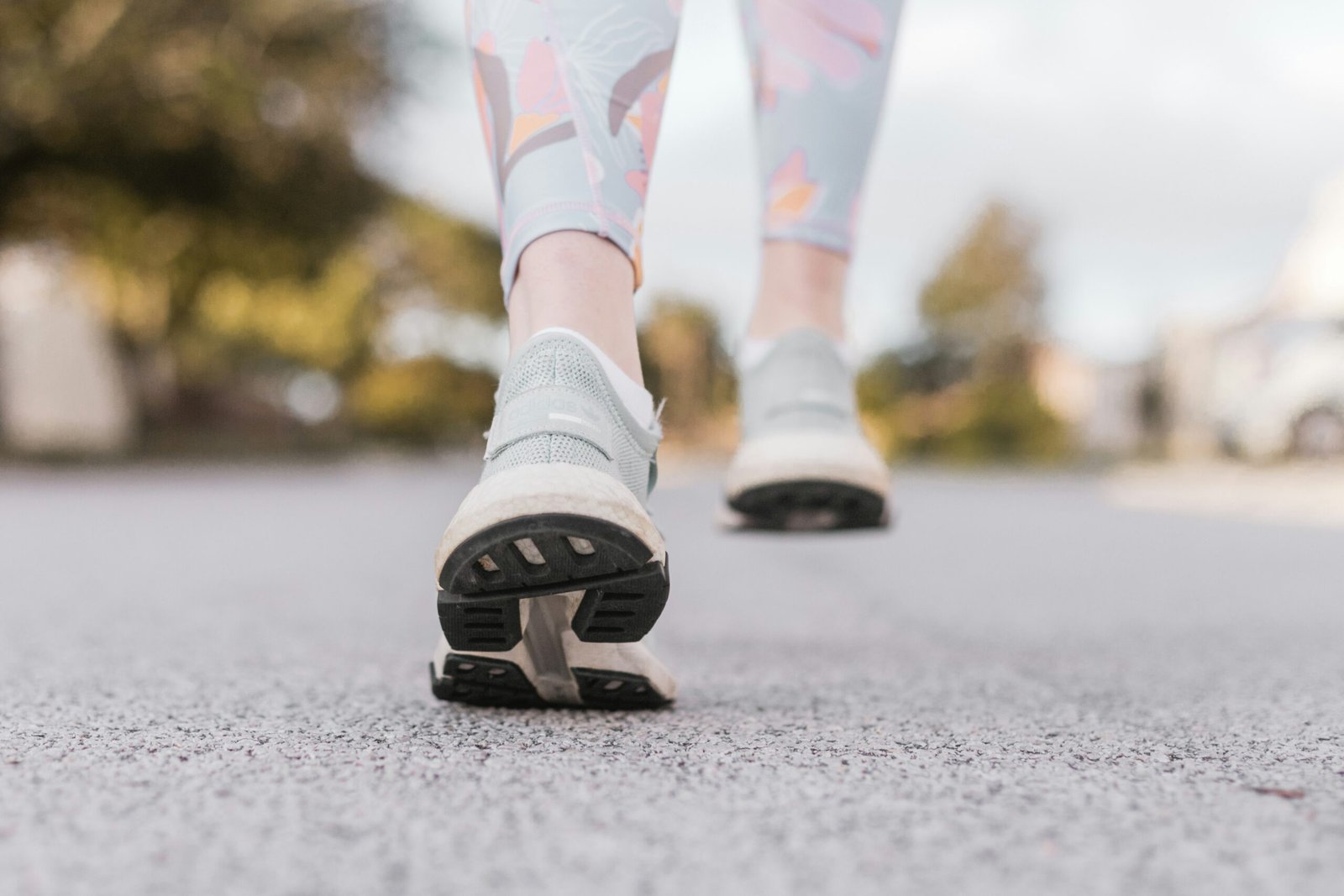
Alright, let’s talk about shedding some pounds with something as simple and accessible as walking. You’re probably wondering, “Can just walking really help me lose weight?” The straightforward answer is yes, absolutely! It’s not about magic pills or extreme diets; it’s about consistent effort and smart strategies. The key is to make your walks work harder for you. This isn’t about just strolling aimlessly; it’s about walking with purpose.
Here are 7 effective ways to lose weight by walking, backed by what actually works:
1. Pick Up the Pace: Make Every Step Count
This is probably the most cited tip for a reason: it’s incredibly effective. Walking faster than a leisurely pace significantly increases the calories you burn. Think of it as turning your regular walk into a mini-workout.
Why a Brisk Pace Matters
When you pick up your speed, your body has to work harder. Your heart rate goes up, you breathe more deeply, and your muscles are engaged more intensely. All of this translates directly into more energy expenditure, which is exactly what you need for weight loss. It’s not about sprinting, but about a pace where you can still talk, but with a bit of effort, and you feel your body warming up.
How to Achieve a Brisk Walk
- Listen to your body: You’ll know you’re walking briskly when you can speak in short sentences but not carry on a long conversation without pausing for breath. You should also feel a slight increase in your breathing and heart rate.
- Gradual increase: If you’re new to this, don’t go from a slow shuffle to a near-run overnight. Start by adding a few extra minutes of faster walking to your existing routine. Gradually extend the duration and the intensity of your brisk intervals.
- Focus on your stride: A longer, more powerful stride can help you cover more ground and increase your speed naturally. Engage your glutes and push off from your toes.
Making it a Habit
Once you get the hang of it, aim to incorporate brisk walking into at least 20-30 minutes of your daily walk. This can be done continuously or broken up into smaller segments throughout the day. Even small bursts of faster walking can add up.
If you’re looking for effective ways to lose weight, walking can be a simple yet powerful method to incorporate into your daily routine. For more insights on this topic, you can check out a related article that discusses various strategies and tips for maximizing your weight loss journey through walking. To read more, visit this article for helpful advice and motivation.
2. Embrace the Incline: Walk Your Way to More Calorie Burn
Walking on flat ground is great, but adding an incline is like giving your walking workout a turbo boost. Hills, inclines, or even a treadmill set to an incline significantly increase the intensity of your walk and, consequently, the number of calories you burn.
The Power of Uphill Walking
When you walk uphill, your muscles, particularly your glutes, hamstrings, and calves, have to work against gravity. This increased muscle engagement requires more energy, leading to a higher calorie expenditure compared to walking on a flat surface. It’s a simple way to make your existing walking routine much more effective for weight loss without dramatically increasing the time you spend walking.
Practical Ways to Find Incline
- Seek out natural terrain: Look for local parks with hilly paths, explore neighborhoods with natural inclines, or even find walking trails that offer varied topography. Even a small, consistent slope can make a difference.
- Treadmill advantage: If you use a treadmill, adjust the incline setting. Start with a low incline (1-3%) and gradually increase it as you get fitter. This gives you precise control over the intensity of your workout.
- Creative solutions: If natural inclines are scarce, consider walking up and down stadium stairs, a parking garage ramp, or even a series of shorter, steeper hills multiple times.
Gradual Progression on Incline
- Start slow and short: If you’re not used to incline walking, begin with short durations at a low incline. You don’t want to overexert yourself or risk injury.
- Listen to your body: Pay attention to how your body feels. If you experience pain in your knees or ankles, ease off the incline or shorten your walk.
- Increase gradually: As your leg muscles strengthen and your endurance improves, you can slowly increase the steepness of the incline or the length of time you spend walking on it.
3. Interval Walking: The Smart Way to Boost Intensity
Interval training isn’t just for runners or gym buffs; it’s a highly effective strategy for walkers too. Interval walking involves alternating between periods of higher intensity (brisk walking or even a light jog) and periods of lower intensity (recovery pace). This method can significantly increase your calorie burn and improve your cardiovascular fitness.
Why Intervals Work Wonders
The key to interval walking’s effectiveness lies in what’s known as EPOC (Excess Post-exercise Oxygen Consumption), often called the “afterburn effect.” By pushing your body to a higher intensity during the bursts, you create a greater oxygen deficit. Your body then has to work harder to recover and return to its resting state, burning extra calories for hours after your walk is finished. This means you continue to burn fat even when you’re no longer moving.
Designing Your Interval Walks
- Find your high and low points: Decide on your “work” interval (how fast you’ll walk) and your “rest” interval (how slow you’ll walk). A common ratio is 1:2 or 1:1, meaning for every minute of fast walking, you might do two minutes of recovery, or one minute of each.
- Duration of intervals: For beginners, start with shorter work intervals, like 30 seconds to 1 minute, followed by 1-2 minutes of recovery walking. As you get fitter, you can increase the length of your work intervals or decrease your recovery time.
- Incorporate into your routine: You don’t need to do interval walking every day. Aim for 2-3 times a week, replacing some of your steady-state walks.
Tips for Successful Interval Walking
- Warm-up is crucial: Always start with a 5-10 minute warm-up at a gentle pace to prepare your muscles.
- Push yourself (safely): During your high-intensity intervals, you should be breathing heavily and find it difficult to hold a conversation.
- Cool-down is non-negotiable: End your walk with a 5-10 minute cool-down at a relaxed pace to allow your heart rate to return to normal.
- Listen to your body: If you feel any pain, stop the interval and return to a recovery pace.
4. Add Light Resistance: Increase the Challenge (Carefully!)
While walking itself is a fantastic calorie burner, adding a small amount of resistance can elevate the challenge and lead to greater weight loss. This doesn’t mean strapping on heavy weights and pounding the pavement. Instead, think about gentle, controlled additions that make your muscles work a little harder.
The Benefit of Added Load
When you carry a little extra weight, your body has to expend more energy to move. This can translate into more calories burned per mile walked. However, it’s absolutely crucial to approach this with caution to avoid injury. The goal is to create a mild increase in effort, not to strain your body.
Safe Ways to Add Resistance
- Weighted vest: A lightweight, well-fitting weighted vest can distribute the load evenly across your torso. Start with a very light weight, perhaps 5-10% of your body weight, and gradually increase as you feel comfortable. Ensure it doesn’t restrict your breathing or posture.
- Backpack: A small, comfortable backpack with a few water bottles or books can serve as a makeshift weight. Again, start light and ensure the straps are comfortable and don’t pull your shoulders forward.
- Ankle or wrist weights (with extreme caution): These are generally less recommended for walking as they can alter your gait and put undue stress on joints, especially the knees and hips. If you do use them, opt for very light weights and be hyper-aware of your form.
- Handheld weights: Small dumbbells (1-3 lbs) can be held in your hands. Swing them naturally with your arms as you walk, but be careful not to overdo it or swing them too forcefully, as this can lead to shoulder strain.
Important Considerations for Resistance
- Posture is paramount: This is where good form becomes even more critical. Ensure your back remains straight, your shoulders are back, and your core is engaged. If the added weight causes you to slouch or alter your natural posture, it’s too much.
- Start low and slow: Begin with the lightest possible resistance and shorter distances. See how your body responds before adding more weight or duration.
- Listen to your joints: Pay close attention to any pain in your knees, hips, or back. If you experience discomfort, remove the resistance immediately.
- Not for everyone: If you have pre-existing joint issues or back problems, it’s best to avoid added resistance or consult with a doctor or physical therapist first.
If you’re looking for effective ways to lose weight, incorporating walking into your daily routine can be a great start. Not only is it a low-impact exercise that can be easily integrated into your lifestyle, but it also offers numerous health benefits. For more tips on achieving your weight loss goals, you might find this article on slimming down particularly helpful, as it provides additional strategies that complement walking and can enhance your overall fitness journey.
5. Track Your Steps and Volume: Know Your Numbers
In the age of technology, there’s no excuse not to track your progress. Using a pedometer, fitness tracker, or even your smartphone’s built-in step counter can provide invaluable insights into your daily activity levels and help you stay motivated. Recent research highlights that consistently hitting certain step goals can be a strong indicator for effective weight management.
The Significance of Step Goals
Studies suggest that aiming for around 8,500 steps per day can be a sweet spot for individuals looking to manage their weight effectively. This number isn’t arbitrary; it represents a significant amount of daily movement that contributes to a consistent calorie deficit when combined with mindful eating. Tracking your steps helps you understand where you stand and how much more movement you need to incorporate.
How to Effectively Track Your Steps
- Choose your device: Whether it’s a dedicated fitness band, a smartwatch, or a smartphone app, find a device that you’re comfortable wearing or carrying consistently.
- Set realistic daily goals: If you’re currently averaging 3,000 steps, jumping to 10,000 overnight might be overwhelming. Aim for gradual increases, perhaps adding 500-1,000 steps each week until you reach your target.
- Integrate tracking into your routine: Make it a habit to check your step count throughout the day. This can serve as a reminder to get up and move.
- Look beyond just steps: Many trackers also measure distance, calories burned, and active minutes. These metrics can provide a more comprehensive picture of your activity.
Making the Most of Your Data
- Identify patterns: See when you’re most active and when you tend to be sedentary. This can help you plan opportunities for more movement.
- Celebrate milestones: Reaching your daily or weekly step goal is a win! Acknowledge these achievements to stay motivated.
- Use data for adjustments: If you’re consistently falling short of your step goal, analyze why. Are there specific times of day you can add in a short walk? Could you take the stairs instead of the elevator?
6. Split Your Walks: Small Bursts Add Up
Sometimes, the idea of a 60-minute walk can feel daunting, especially if you have a busy schedule or are just starting out. The good news is that you don’t have to do it all at once. Splitting your walking sessions into shorter, more manageable chunks throughout the day can be just as, if not more, effective for weight loss.
The Power of Accumulation
Think of it like this: two 15-minute brisk walks throughout the day are much easier to fit in than one 30-minute walk. And in terms of calorie expenditure, they can be very comparable. By accumulating your walking time in smaller doses, you can significantly increase your overall daily movement without feeling overwhelmed. This approach is particularly beneficial for beginners or those with time constraints.
Practical Ways to Split Your Walks
- Morning boost: Start your day with a 15-20 minute brisk walk before breakfast. This can help wake you up and kickstart your metabolism.
- Lunchtime movement: Take a 10-15 minute walk during your lunch break. This can help you de-stress and avoid the afternoon slump.
- Afternoon energy: A short 10-minute walk after work can help you transition from work mode to relaxation mode.
- Evening stroll: Before dinner or after, a gentle 15-20 minute walk can aid digestion and help you wind down.
Making Split Walks Work for You
- Schedule them in: Just like you would schedule a meeting, block out time in your day for your walking sessions.
- Keep it convenient: Choose walking routes that are easily accessible from your home or workplace.
- Focus on intensity: Even though the sessions are shorter, try to make them brisk to maximize the calorie burn.
- Listen to your body: If you’re feeling fatigued, a shorter, gentler walk is perfectly fine. The key is consistency.
7. Focus on Posture and Form: Walk Smarter, Not Just Harder
It might seem basic, but the way you hold your body and move while walking has a significant impact on its effectiveness for weight loss and injury prevention. Good posture and proper form ensure that you’re engaging the right muscles and moving efficiently, allowing you to burn more calories and avoid common walking-related ailments.
Why Good Form Matters
When you have good walking form, you’re utilizing your body’s natural mechanics. This means your core is engaged, your back is straight, and your limbs are moving in a coordinated manner. Poor posture, on the other hand, can lead to muscular imbalances, strain on your joints, and a less efficient gait, which ultimately reduces the calorie burn and can lead to pain and discomfort.
Key Elements of Good Walking Posture and Form
- Head up, shoulders back: Imagine a string pulling you up from the crown of your head. Keep your gaze forward, about 10-20 feet ahead. Your shoulders should be relaxed but pulled gently back, not rounded forward.
- Engage your core: Gently tighten your abdominal muscles as if you’re bracing for a light punch. This helps stabilize your torso and protects your back.
- Arm swing: Let your arms swing naturally from your shoulders, bending your elbows at about a 90-degree angle. Your arms should swing forward and back, not across your body. This arm movement helps propel you forward and adds to the overall calorie burn.
- Foot strike and push-off: Aim to land on your heel and roll through your foot to your toes, with a strong push-off from your back foot. This motion engages your glutes and hamstrings effectively.
- Relaxed stride: Avoid overstriding. Your steps should feel natural and balanced.
Practical Tips for Improving Your Form
- Self-assessment: Occasionally, check your posture in a mirror or ask a friend to observe your walking.
- Focus on one element at a time: Don’t try to fix everything at once. Dedicate a walk to focusing solely on your arm swing, then the next walk to your core engagement.
- Listen to your body’s signals: If you feel any unusual strain or pain, it might be a sign that your form needs adjustment.
- Consider your footwear: Wearing supportive, well-fitting walking shoes is crucial for maintaining good foot mechanics and preventing injuries.
By incorporating these seven strategies, you can transform your daily walks from a passive activity into a powerful tool for weight loss. Remember, consistency is key, and even small, smart adjustments can lead to significant results over time.
FAQs
1. How often should I walk to lose weight?
To see weight loss results from walking, aim for at least 150 minutes of moderate-intensity walking per week, or 30 minutes a day, 5 days a week.
2. What is the recommended walking pace for weight loss?
A brisk walking pace of about 3-4 miles per hour is recommended for weight loss. This pace should elevate your heart rate and make you break a sweat.
3. Can I lose weight by only walking, or do I need to incorporate other exercises?
While walking can be an effective form of exercise for weight loss, incorporating other exercises such as strength training and high-intensity interval training (HIIT) can help maximize weight loss and overall fitness.
4. How should I adjust my diet while walking to lose weight?
To support weight loss while walking, focus on consuming a balanced diet that includes plenty of fruits, vegetables, lean proteins, and whole grains. Be mindful of portion sizes and avoid excessive consumption of high-calorie, processed foods.
5. Are there any additional tips for maximizing weight loss through walking?
In addition to regular walking, consider incorporating inclines or hills into your walking route to increase the intensity of your workout. Additionally, staying consistent with your walking routine and staying properly hydrated can also support weight loss efforts.