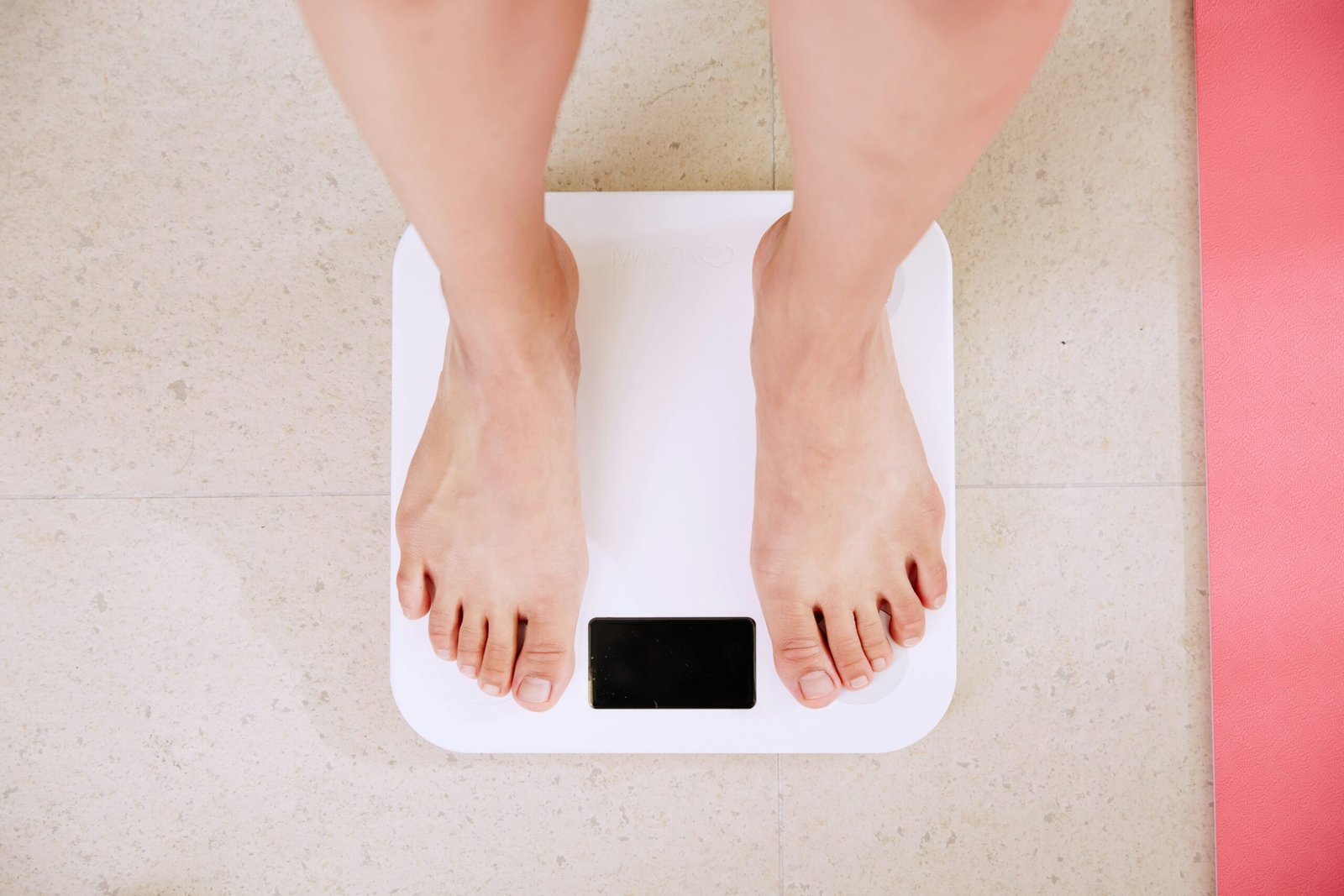
Losing weight doesn’t always have to mean hours spent at the gym. In fact, many effective weight management strategies can be seamlessly woven into your daily life without ever stepping foot on a treadmill. It’s about making smart, sustainable changes to your habits. Here are 10 practical ways to shed pounds without needing a gym membership.
1. Re-evaluate Your Plate: The Power of Smart Eating
When it comes to weight loss, what you put into your body plays a much bigger role than most people realize. Think of your plate as your primary tool.
a. Prioritize Nutrient-Dense Foods
This isn’t about deprivation; it’s about making smarter choices. Lean protein, fiber-rich vegetables, whole grains, and healthy fats are your friends here. These foods offer a lot of bang for your buck, nutritionally speaking. They keep you feeling full and satisfied without packing in excessive calories. Imagine a plate with a generous serving of colorful veggies, a palm-sized piece of grilled chicken or fish, and a small portion of quinoa or brown rice. That’s a good starting point.
b. Embrace Lean Protein
Protein is a superstar for weight loss. It helps build and repair tissues, but more importantly for our purposes, it keeps you feeling full for longer. When you’re satiated, you’re less likely to reach for unhealthy snacks. Think chicken breast, turkey, fish, eggs, tofu, lentils, and beans. Including a source of lean protein in every meal can make a significant difference in managing your appetite throughout the day.
c. Load Up on Fiber
Fiber is another unsung hero. Found in vegetables, fruits, whole grains, and legumes, fiber adds bulk to your diet without adding many calories. It aids digestion, helps regulate blood sugar, and, like protein, contributes to a feeling of fullness. Swapping white bread for whole wheat, adding a handful of spinach to your eggs, or having an apple as a snack are all easy ways to boost your fiber intake.
d. Don’t Fear Healthy Fats
While it might seem counterintuitive, healthy fats are crucial. Avocados, nuts, seeds, and olive oil provide essential fatty acids, support hormone production, and, again, contribute to satiety. Just remember, fats are calorie-dense, so portion control is key here. A small handful of almonds or a tablespoon of olive oil can go a long way.
If you’re looking for effective strategies to lose weight without exercising, you might find valuable insights in a related article on the topic. This article explores various dietary adjustments, lifestyle changes, and psychological tips that can help you shed pounds without hitting the gym. For more information, check out this helpful resource: How to Lose Weight Without Exercising.
2. Move More, Sit Less: Integrating Activity into Your Day
You don’t need a gym to be active. Our daily lives offer countless opportunities to increase movement.
a. Walk It Out
Walking is perhaps the simplest and most accessible form of exercise. Take the stairs instead of the elevator, park further away from your destination, or go for a brisk walk during your lunch break. Even short bursts of walking add up. Aim for a daily step count goal, maybe starting with 6,000 steps and gradually increasing it. Investing in a pedometer or using a smartphone app can help you track your progress and keep you motivated.
b. Embrace Household Chores
Cleaning your house, gardening, or even doing yard work can be surprisingly good workouts. Scrubbing floors, vacuuming, and mowing the lawn all burn calories and engage various muscle groups. Think of these tasks not as chores, but as opportunities to move your body. Put on some music and turn it into a more enjoyable activity.
c. Stretch and Stand
Even small movements throughout the day can make a difference. If you have a desk job, set a timer to stand up and stretch every hour. Do some simple stretches, walk around your office, or even do a few squats or lunges. Breaking up long periods of sitting can improve circulation, boost energy, and contribute to overall calorie expenditure.
3. Master Portion Control: The Art of Mindful Eating
Overeating, even of healthy foods, can hinder weight loss. Learning to manage your portion sizes is a fundamental skill.
a. Use Smaller Plates
It sounds simple, but it works. A smaller plate naturally makes a serving look larger, which can trick your brain into feeling more satisfied with less food. Studies have shown that people tend to serve themselves more when given larger dinnerware.
b. Understand Serving Sizes
Many people underestimate how much they’re actually eating. Read food labels to understand what a true serving size looks like. For instance, a serving of nuts isn’t the entire bag, and a serving of pasta is often much smaller than what we typically dish out. Measuring cups and food scales can be helpful tools when you’re first learning.
c. Listen to Your Body’s Cues
Instead of eating until you’re stuffed, aim to eat until you’re satisfied, not full. Pay attention to your hunger and fullness signals. This takes practice, but it’s a valuable skill for long-term weight management. Pause during your meal and ask yourself if you’re still hungry or if you’re eating out of habit or boredom.
4. Hydrate Smart: The Water Advantage
What you drink is just as important as what you eat when you’re trying to lose weight.
a. Drink Plenty of Water
Water is essential for countless bodily functions, and it can also play a role in weight loss. Drinking water before meals can help you feel fuller, potentially leading you to eat less. It also helps your metabolism function optimally. Aim for at least 8 glasses a day, but listen to your body and adjust as needed. Keep a water bottle handy as a reminder to sip throughout the day.
b. Ditch Sugary Drinks
Sodas, fruit juices (even 100% juice, which can be high in natural sugars), sweetened teas, and fancy coffee drinks are often hidden sources of empty calories. These drinks provide little to no nutritional value and don’t contribute to satiety, meaning you’re still hungry after consuming a lot of calories. Swapping these for water, unsweetened tea, or black coffee can drastically reduce your calorie intake without feeling deprived.
If you’re looking for effective ways to shed pounds without hitting the gym, you might find it helpful to explore various dietary strategies and lifestyle changes. One insightful article discusses practical tips on how to lose weight without exercising, offering valuable advice on nutrition and mindful eating habits. For more information, you can read the article here: how to lose weight without exercising. Implementing these strategies can lead to sustainable weight loss while allowing you to maintain a balanced lifestyle.
5. Prioritize Sleep and Stress Management: Beyond Diet and Exercise
Weight loss isn’t just about food and movement; your overall well-being plays a massive role.
a. Get Enough Quality Sleep
Lack of sleep can wreak havoc on your weight loss efforts. Poor sleep disrupts hormones that regulate appetite (ghrelin and leptin), leading to increased hunger and cravings, especially for high-carb, high-sugar foods. It also affects your energy levels, making it harder to make healthy choices and stay active. Aim for 7-9 hours of quality sleep per night. Establish a consistent sleep schedule, create a relaxing bedtime routine, and make your bedroom a sanctuary for rest.
b. Manage Chronic Stress
Chronic stress triggers the release of cortisol, a hormone linked to increased appetite and fat storage, particularly around the abdominal area. Stress can also lead to emotional eating as a coping mechanism. Finding healthy ways to manage stress is crucial. This could include meditation, yoga, deep breathing exercises, spending time in nature, engaging in hobbies, or connecting with loved ones. Identifying your stress triggers and developing strategies to mitigate their impact can significantly support your weight loss journey.
6. Cook More at Home: Take Control of Your Kitchen
Eating out frequently makes it harder to control what goes into your food.
a. Ingredient Control
When you cook at home, you know exactly what’s in your meal. You can choose fresh, whole ingredients, control the amount of oil, salt, and sugar, and avoid hidden additives and excessive calories often found in restaurant dishes. This allows for precise calorie and nutrient tracking if you choose to do so.
b. Portion Control (Again!)
Restaurants often serve oversized portions. When you cook at home, you have the power to serve yourself appropriate portions, aligning with your weight loss goals. You can also prepare extra healthy meals for lunch the next day, avoiding last-minute unhealthy food choices.
c. Saves Money
As an added bonus, cooking at home is generally more cost-effective than eating out, leaving more money in your pocket for other things.
7. Mindful Eating Practices: Pay Attention to Your Food
Eating mindfully means being present and aware during your meals.
a. Eat Slowly
When you eat too quickly, your body doesn’t have enough time to signal to your brain that you’re full. This can lead to overeating. Slow down, put your fork down between bites, and savor the flavors and textures of your food.
b. Avoid Distracted Eating
Eating in front of the TV, while scrolling on your phone, or working at your computer can lead to mindless consumption. You’re less likely to notice how much you’re eating or feel satisfied. Dedicate your meal times to eating only. Focus on your food, the company you’re with, or simply the quiet act of nourishing yourself.
c. Chew Thoroughly
Chewing your food properly aids digestion and also slows down your eating pace. This gives your body more time to register fullness and can prevent overeating.
8. Increase Protein and Fiber Intake: Your Satiety Superheroes
We’ve touched on this, but it bears repeating because of its significant impact.
a. Protein for Lasting Fullness
Protein takes longer to digest than carbohydrates or fats, keeping you feeling full and satisfied for a longer period. This reduces cravings and the likelihood of snacking between meals. Incorporate protein sources like eggs, Greek yogurt, chicken, fish, lentils, or cottage cheese into your breakfast to set yourself up for a less hungry day.
b. Fiber for Volume and Digestion
Fiber adds bulk to your meals without adding many calories, helping to fill you up. It also promotes healthy digestion and can help stabilize blood sugar levels, preventing energy crashes that often lead to sugar cravings. Make sure to get fiber from a variety of sources like fruits, vegetables, whole grains, and legumes.
9. Consistency and Tracking: The Long Game
Weight loss isn’t a sprint; it’s a marathon. Consistency and tracking are your best friends for sustainable results.
a. Stay Consistent with Your Habits
It’s not about being perfect every day, but about being consistent most days. Small, healthy habits adopted consistently over time yield significant results. Don’t get discouraged by occasional slip-ups; just get back on track with your next meal or activity.
b. Track Your Progress (Journal or App)
Monitoring your habits and results can be incredibly motivating and insightful. This doesn’t necessarily mean weighing yourself daily, but could involve tracking your food intake, water consumption, steps, or even your mood in a journal or using a mobile app. Seeing your progress, identifying patterns, and understanding what works best for your body can empower you to make informed decisions and stay committed. It also helps you identify areas where you might need to adjust your approach.
10. Embrace Non-Exercise Activity Thermogenesis (NEAT): Every Movement Counts
NEAT refers to the energy expended for everything we do that is not sleeping, eating, or sports-like exercise.
a. Fidget More
Subconscious movements like tapping your foot, shifting in your chair, or gesturing while you talk can burn a surprising number of calories over a day. While not a massive calorie burner on its own, it’s an example of how even small, unconscious movements contribute to your overall energy expenditure.
b. Take the Long Way Around
Walk to a colleague’s desk instead of sending an email, choose the furthest restroom, or take an extra lap around the grocery store. These small additions of movement throughout your day might seem insignificant individually, but cumulatively, they add up and contribute to burning more calories without feeling like a dedicated workout.
c. Incorporate Standing into Your Routine
If possible, consider a standing desk for some part of your workday. Standing burns more calories than sitting and can also improve posture and reduce sedentary time. Even simply standing up during phone calls or meetings can make a difference.
By integrating these practical, non-gym-dependent strategies into your daily routine, you can create a sustainable path toward weight loss and improved health. It’s about making conscious choices that align with your goals, not about punishing yourself with grueling workouts.
FAQs
1. Is it possible to lose weight without exercising?
Yes, it is possible to lose weight without exercising by making changes to your diet and lifestyle.
2. What are some dietary changes that can help with weight loss?
Some dietary changes that can help with weight loss include reducing portion sizes, eating more fruits and vegetables, and cutting back on sugary and high-fat foods.
3. How can lifestyle changes contribute to weight loss?
Lifestyle changes such as getting enough sleep, managing stress, and staying hydrated can contribute to weight loss by improving overall health and reducing the likelihood of overeating.
4. Are there any specific diets or meal plans that can help with weight loss without exercising?
There are various diets and meal plans that can help with weight loss without exercising, such as the Mediterranean diet, intermittent fasting, and low-carb diets. It’s important to find a plan that works for your individual needs and preferences.
5. What are some other tips for losing weight without exercising?
Other tips for losing weight without exercising include keeping track of your food intake, avoiding processed foods, and seeking support from a healthcare professional or a registered dietitian.
3 thoughts on “10 Ways to Lose Weight Without Hitting the Gym”