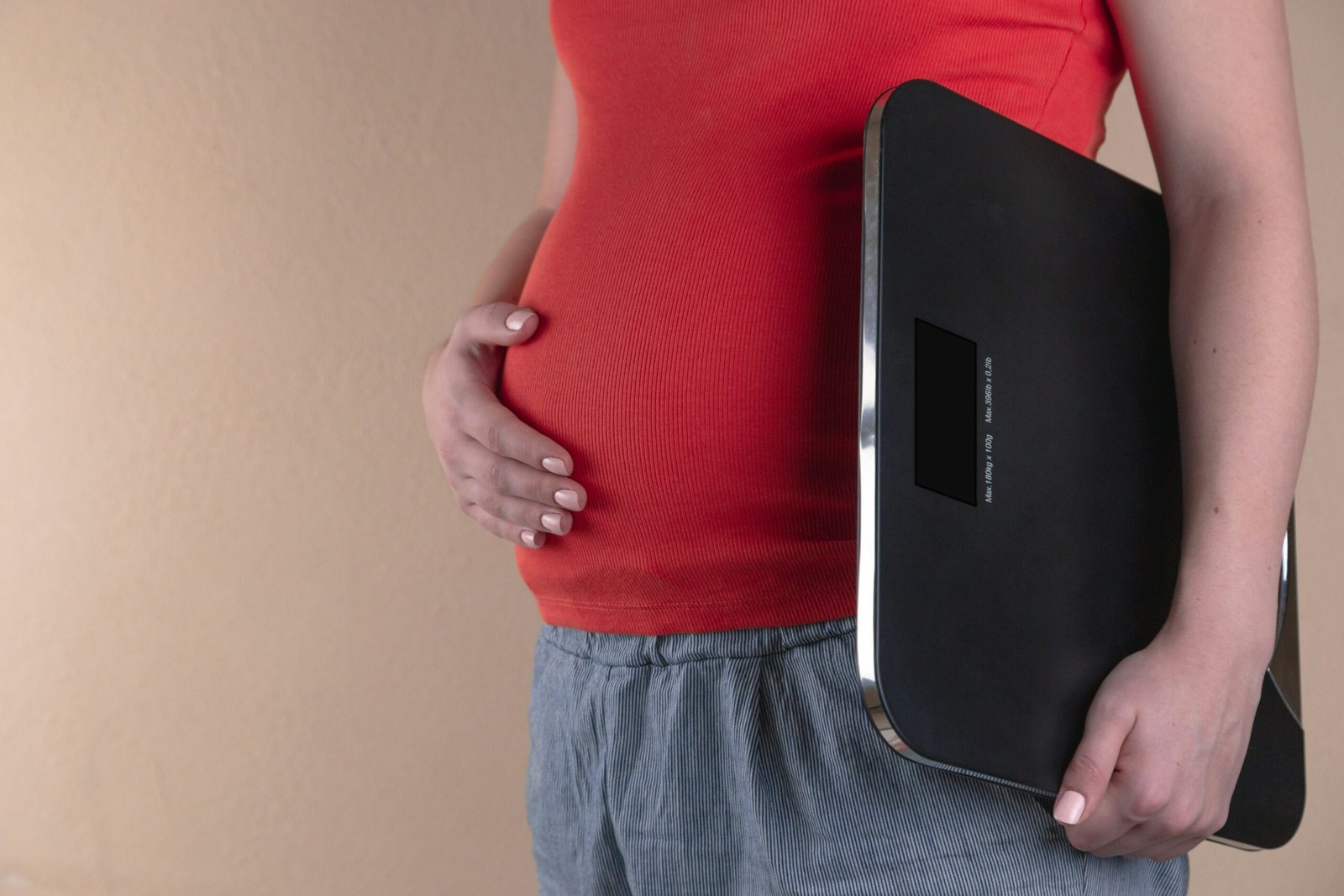
It’s understandable to think about your weight during pregnancy, especially if you’re concerned about gaining too much or if you started pregnancy with excess weight. However, the latest medical advice is pretty clear: you shouldn’t aim for intentional weight loss during pregnancy. The primary focus for most pregnant individuals, and especially those who are overweight or obese at the start, is on healthy weight gain or maintaining a stable weight. This is all about ensuring both your well-being and your baby’s healthy development.
1. Understanding the Nuance: Why “Weight Loss” Isn’t the Goal
Let’s break this down a bit. The medical community’s stance on weight during pregnancy has evolved. It’s less about hitting a specific number on the scale and more about a holistic approach to health.
The Shift from Weight Loss to Healthy Weight Management
Historically, there might have been different ideas, but current guidelines from major health organizations, including the NHS and NICE in the UK, and similar bodies internationally, are quite consistent. They emphasize that deliberate attempts to lose weight during pregnancy are generally not recommended. This isn’t to say your concerns aren’t valid, but rather that the risks associated with intentional weight loss can outweigh any perceived benefits.
What “Healthy Weight Gain” Really Means
For most pregnant individuals, a certain amount of weight gain is not only normal but necessary for the baby’s growth, the placenta, increased blood volume, and other physiological changes. The “healthy” range of weight gain is typically determined by your pre-pregnancy Body Mass Index (BMI).
- Underweight (BMI < 18.5): Usually recommended to gain more weight, around 28-40 pounds.
- Normal Weight (BMI 18.5-24.9): Typically advised to gain 25-35 pounds.
- Overweight (BMI 25-29.9): Recommended gain is usually 15-25 pounds.
- Obese (BMI ≥ 30): This is where the advice becomes even more specific. While still not recommending loss, the goal might be a smaller weight gain, perhaps 11-20 pounds, or even weight maintenance in some cases, always under strict medical supervision.
Why Intentional Weight Loss is Discouraged
The primary concern is nutrient intake. When you’re trying to lose weight, you’re often restricting calories. During pregnancy, your body and the developing baby have increased nutritional demands. Restricting calories too severely can lead to deficiencies in essential vitamins and minerals, which can impact both your health and the baby’s growth and development. Furthermore, some studies have indicated that even if weight loss is achieved, it doesn’t necessarily reduce pregnancy complications and could potentially pose risks.
When considering weight management during pregnancy, it’s essential to approach the topic with care and informed guidance. A helpful resource that discusses effective strategies for maintaining a healthy weight without the need for intense workouts is available in this article: 10 Ways to Lose Weight Without Hitting the Gym. This article provides practical tips that can be adapted for expectant mothers looking to stay active and healthy throughout their pregnancy journey.
2. The Cornerstone: Balanced Nutrition and Smart Eating Habits
If your goal is to manage your weight gain effectively and healthily during pregnancy, the most evidence-based approach is to focus on what and how you eat, rather than strictly dieting.
Prioritizing Nutrient-Dense Foods
Think of your pregnancy diet as fueling a marathon, not a sprint. Every bite counts when it comes to providing the essential nutrients your growing baby needs.
- Fruits and Vegetables: These are packed with vitamins, minerals, and fiber. Aim for a variety of colors to get a broad spectrum of nutrients. They are also relatively low in calories, helping you feel full.
- Lean Proteins: Essential for your baby’s tissue development. Good sources include chicken, turkey, fish (low-mercury options like salmon and sardines), beans, lentils, and tofu.
- Whole Grains: Provide sustained energy and fiber, which can help with digestion and prevent constipation, a common pregnancy woe. Opt for oatmeal, brown rice, quinoa, and whole-wheat bread.
- Healthy Fats: Crucial for brain development. Avocados, nuts, seeds, and olive oil are excellent choices.
Portion Control Without Deprivation
It’s not about eating “for two” in terms of quantity, but rather in terms of quality and making every calorie count.
- Smaller, More Frequent Meals: Instead of three large meals, try having five to six smaller meals or snacks throughout the day. This can help manage hunger, prevent overeating, and keep your energy levels stable.
- Mindful Eating: Pay attention to your hunger and fullness cues. Eat slowly and savor your food. This can help you recognize when you’re satisfied and prevent you from overindulging.
- Listen to Your Body: Pregnancy cravings are real! It’s okay to indulge occasionally, but try to do so in moderation and balance it with healthier choices.
Limiting “Empty Calories”
These are foods and drinks that provide a lot of calories but very few nutrients.
- Sugary Drinks: Sodas, sweetened juices, and even some specialty coffees can pack a significant calorie punch without offering much in the way of vitamins or minerals. Water is your best friend.
- Processed Snacks: Chips, cookies, pastries, and candy are often high in sugar, unhealthy fats, and sodium. While tempting, they offer little nutritional value.
- Fried Foods: These tend to be high in fat and calories and can be harder to digest.
3. The Role of Safe Physical Activity
Exercise is a crucial component of a healthy pregnancy, and for most individuals, it’s not only safe but highly beneficial. It can help manage weight gain, improve mood, boost energy, and prepare your body for labor.
Getting the “All Clear” from Your Doctor
Before starting or continuing any exercise program during pregnancy, it’s absolutely vital to talk to your healthcare provider. They know your individual health history and can advise on what’s safe and appropriate for you.
Aiming for Moderate Intensity
The general recommendation for most pregnant individuals is around 150 minutes of moderate-intensity aerobic activity per week. This can be spread out over several days.
- What is Moderate Intensity? You should be able to talk, but not sing, during your workout. Your heart rate will be elevated, and you’ll feel warmer and slightly breathless.
Safe and Effective Exercise Options
Many activities are well-suited for pregnancy, offering a good workout without putting undue stress on your body.
- Walking: This is a fantastic, accessible, and low-impact option. You can adjust the intensity by changing your pace or finding inclines.
- Swimming and Water Aerobics: The buoyancy of water takes pressure off your joints, making it incredibly comfortable and safe, especially as your pregnancy progresses.
- Stationary Cycling: A great cardiovascular workout that’s easy on the knees and back. You can control the resistance and intensity.
- Prenatal Yoga: Specifically designed for pregnant individuals, it focuses on stretching, strengthening, breathing techniques, and relaxation. It can improve flexibility, balance, and muscle tone.
- Low-Impact Aerobics: Classes designed for pregnant women or general low-impact classes can be beneficial.
Things to Be Cautious About
There are certain activities to avoid or modify during pregnancy.
- High-Impact Activities: Running (unless you were a runner pre-pregnancy and your doctor approves), jumping, and sports with a high risk of falling or abdominal impact should generally be avoided.
- Activities with a Risk of Falling: Skiing, horseback riding, and strenuous cycling on uneven terrain are best avoided.
- Scuba Diving and Hot Yoga: These are generally not recommended due to risks associated with oxygen supply and overheating.
4. Special Considerations for Higher Pre-Pregnancy Weight
If you started your pregnancy with obesity, the medical guidance remains cautious about intentional weight loss. The focus shifts to preventing excessive gain and maintaining a healthy environment for your baby.
No Deliberate Weight Loss Advised
As mentioned earlier, guidelines from organizations like the NHS and NICE are clear: deliberate weight loss during pregnancy for obese individuals is not advised. The primary reason is that it might not effectively reduce pregnancy complications and could potentially be unsafe for you and your baby.
Preventing Excessive Weight Gain
While not aiming for loss, preventing too much gain is still important. This is where the nutrition and activity recommendations become even more critical.
- Focus on a Balanced Diet: Ensure you’re getting all the necessary nutrients without excessive calorie intake. This means prioritizing whole, unprocessed foods and being mindful of portion sizes.
- Regular, Moderate Exercise: Continue with safe, doctor-approved physical activity to help manage weight and improve overall health.
- Behavioral Changes: Sometimes, a focus on sustainable lifestyle changes that can be maintained post-pregnancy is more beneficial than short-term, potentially risky strategies during pregnancy.
Monitoring is Key
For individuals who are obese at the start of pregnancy, close monitoring by a prenatal care provider is absolutely essential.
- Individualized Plans: Your doctor or midwife will likely create a personalized plan that considers your specific health status and needs.
- Regular Weight Tracking: This helps ensure your weight gain is within a healthy range, and any concerns can be addressed promptly.
If you’re looking for guidance on maintaining a healthy weight during pregnancy, it’s important to approach the topic with care and knowledge. One helpful resource is an article that discusses effective strategies for weight management without the need for strenuous exercise. You can find it here: 10 ways to lose weight without exercising. This article provides insights that can be beneficial for expectant mothers who want to ensure both their health and the health of their baby while navigating the challenges of weight gain during pregnancy.
5. Medications and Supplements: A Strict No-Go for Weight Loss
When it comes to weight loss during pregnancy, the medical consensus is firm: weight-loss medications are not recommended.
Why Weight-Loss Medications Are Avoided
The primary reason is the lack of sufficient safety data. These medications are not typically tested on pregnant individuals, and their effects on a developing fetus are largely unknown.
- Limited Safety Data: There’s not enough research to confirm that these drugs are safe for either the mother or the baby.
- Current Guidance: The advice is generally to stop any weight-loss medications before conception or as soon as pregnancy is confirmed.
Nutritional Supplements: Consult Your Doctor
While not for weight loss, prenatal vitamins are a crucial part of pregnancy. However, if you have any specific concerns about your diet or nutrient intake, or if you’re considering any other supplements, always discuss it with your healthcare provider. They can guide you on what is safe and necessary for your pregnancy.
6. The Unrivaled Importance of Prenatal Care
Throughout your pregnancy, the most crucial element for managing your weight and ensuring a healthy outcome for both you and your baby is consistent and open communication with your prenatal care provider.
Regular Check-ups are Non-Negotiable
Your appointments are not just for routine checks; they are your opportunity to discuss any concerns, including those about your weight, and to receive personalized advice.
- Weight Monitoring: Your provider will track your weight at each visit, providing context and guidance based on your individual needs and the stage of your pregnancy.
- Nutritional Counseling: If you’re struggling with diet or concerned about gaining too much or too little weight, your provider can refer you to a registered dietitian or provide specific dietary advice.
- Addressing Underlying Issues: Sometimes, weight concerns can be linked to other health issues. Regular check-ups help identify and manage these.
Individualized Plans are Essential
What’s right for one pregnant person isn’t necessarily right for another. Newer medical summaries strongly emphasize this point.
- Tailored Advice: Your healthcare provider will consider your pre-pregnancy weight, your overall health, any existing medical conditions, and your pregnancy progression to create a plan that’s best for you.
- Flexibility: Pregnancy is a dynamic process. Your plan might need to be adjusted as you move through different trimesters, and your provider will guide these changes.
Protecting Both Maternal Nutrition and Fetal Growth
The ultimate goal of prenatal care is to ensure you are healthy and well-nourished, and that your baby is growing and developing optimally.
- Avoiding Deficiencies: Proper guidance helps ensure you’re getting all the necessary nutrients for your baby’s development, preventing potential deficiencies that could arise from misguided attempts at weight loss.
- Managing Risks: For individuals with higher pre-pregnancy weight, careful monitoring and management of weight gain can help reduce the risk of complications like gestational diabetes and preeclampsia.
In summary, while the desire to manage weight during pregnancy is understandable, the focus should always be on healthy habits, balanced nutrition, and safe physical activity, all under the expert guidance of your healthcare provider. They are your most valuable resource in navigating this journey.
FAQs
Can you lose weight while pregnant?
No, it is not recommended to actively try to lose weight while pregnant. Pregnancy is a time for healthy weight gain to support the growth and development of the baby.
What is a healthy amount of weight gain during pregnancy?
The amount of weight gain during pregnancy can vary depending on pre-pregnancy weight. In general, the Institute of Medicine recommends the following weight gain ranges: 25-35 pounds for women of normal weight, 28-40 pounds for underweight women, 15-25 pounds for overweight women, and 11-20 pounds for obese women.
How can I maintain a healthy weight during pregnancy?
To maintain a healthy weight during pregnancy, it is important to focus on eating a balanced diet that includes a variety of nutrients, staying physically active with exercises approved by your healthcare provider, and getting regular prenatal care.
What are the risks of trying to lose weight while pregnant?
Trying to lose weight while pregnant can pose risks to both the mother and the baby. It can lead to nutrient deficiencies, inadequate weight gain for the baby, and potential complications such as preterm birth and low birth weight.
What should I do if I am concerned about my weight during pregnancy?
If you have concerns about your weight during pregnancy, it is important to talk to your healthcare provider. They can provide guidance on healthy weight management and support you in making the best choices for you and your baby.