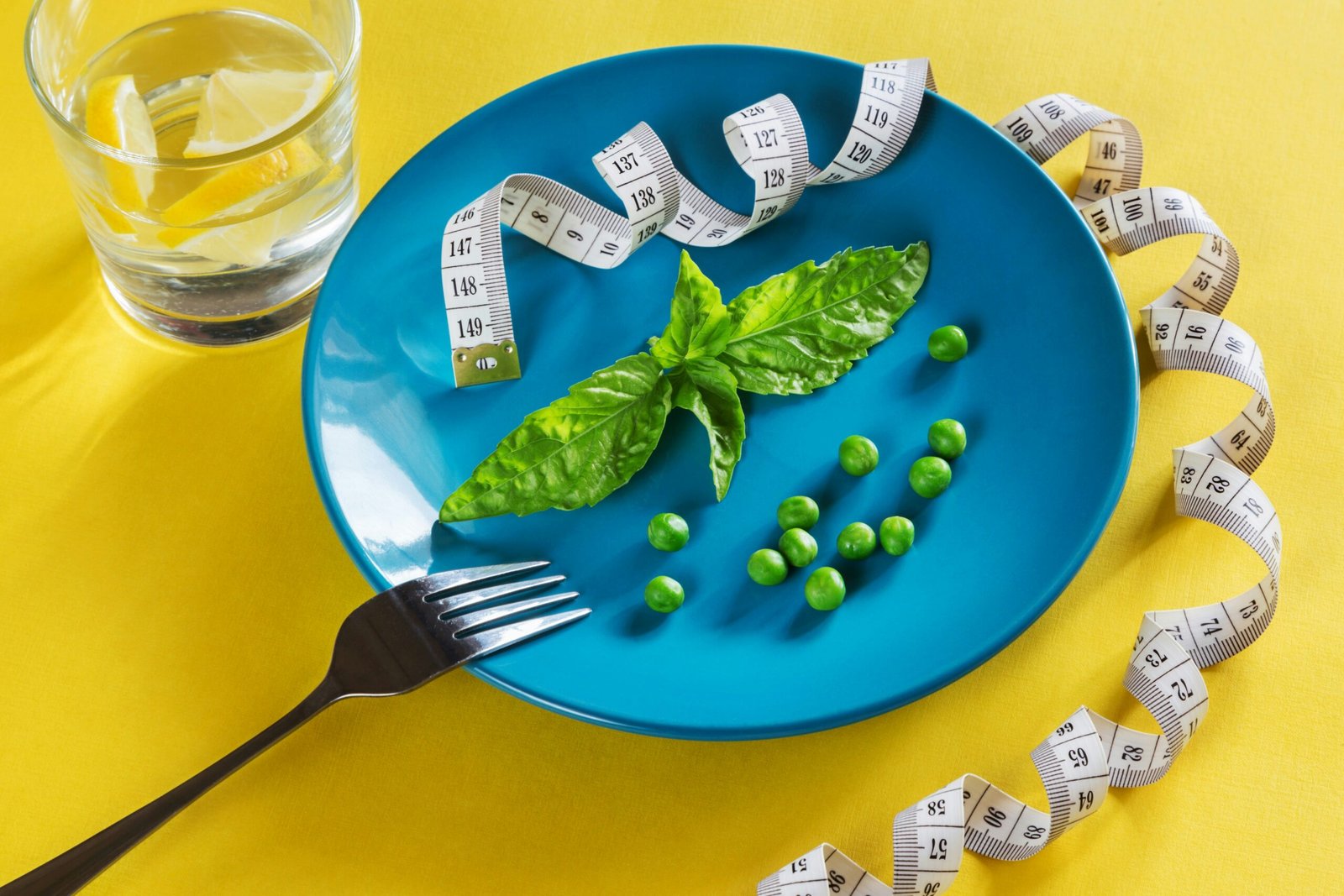
So, you’re looking to shed some pounds a bit quicker, but you also want to do it smartly. Good call. The honest truth about “rapid” weight loss, according to folks who actually know their stuff, is that it’s usually safer and more sustainable to aim for about 1 to 2 pounds lost per week. Anything much faster can often lead to rebound weight gain and isn’t usually good for your body in the long run. Think of it as a quicker pace, not a sprint off a cliff. We’re talking about making some practical adjustments that can really add up.
Here are some straightforward tips to help you get there without going overboard.
Let’s be upfront: truly “rapid” weight loss, the kind where you drop five pounds in three days, often isn’t healthy or sustainable. The sweet spot for losing weight effectively and keeping it off is usually around 1 to 2 pounds per week. This might not sound “rapid” enough for some, but it’s the pace most experts recommend for actual long-term success. It means your body has time to adjust, and you’re building habits that stick.
Why Aim for a Moderate Pace?
- Sustainability: Crash diets are notorious for quick initial drops, followed by an equally quick regain. Slower, steadier loss means you’re creating a lifestyle change, not a temporary fix.
- Nutrient Intake: When you drastically cut calories too quickly, it’s really hard to get all the essential nutrients your body needs. This can lead to fatigue, nutrient deficiencies, and even muscle loss.
- Metabolism Preservation: Extreme calorie restriction can actually slow down your metabolism, making it harder to lose weight in the future. A moderate deficit keeps your metabolism ticking along.
- Muscle Retention: Rapid weight loss often comes at the cost of muscle mass, not just fat. Losing muscle isn’t ideal, as muscle burns more calories at rest.
If you’re looking for effective strategies to shed pounds quickly, you might find it helpful to explore additional resources that focus on specific areas of weight loss. For instance, a related article titled “5 Easy Ways to Slim Down Your Face” provides practical tips that can complement your overall weight loss journey. You can read it by following this link: 5 Easy Ways to Slim Down Your Face. This article offers insights that could help you achieve a more defined facial structure while working towards your weight loss goals.
2. Master Your Portions & Track What You Eat
This is probably one of the most effective, yet often overlooked, strategies. It’s easy to accidentally overeat, even with healthy foods, if you’re not paying attention to how much you’re actually consuming.
Understanding Portion Sizes
- Visual Cues: Learn what a reasonable portion looks like. For instance, a serving of meat is about the size of a deck of cards, and a serving of grains is half a cup cooked. There are plenty of visual guides online that can help you with this.
- Smaller Plates: It sounds simple, but using smaller dinner plates can psychologically make your meal look bigger, helping you feel more satisfied with less.
- Measure It Out (Initially): For a week or two, try actually measuring your food. This isn’t about doing it forever, but it helps recalibrate your internal portion sensor. You’ll be surprised how much your “eyeballed” portion differs from an actual serving.
The Power of Tracking
- Awareness is Key: Whether you use an app, a notebook, or just mental notes, tracking what you eat for even a few days can be incredibly eye-opening. You might discover hidden calories from snacks, drinks, or sauces you hadn’t considered.
- Spotting Patterns: Tracking can help you identify when and why you tend to overeat. Are you a stress eater? A late-night snacker? Knowing your patterns is the first step to changing them.
- No Need for Perfection: You don’t have to track every single morsel for the rest of your life. Even tracking sporadically, or just when you feel things are getting off track, can be really helpful.
3. Prioritize Protein: Feel Full, Build Muscle

If there’s one macronutrient to really focus on when trying to lose weight, it’s protein. It’s not just for bodybuilders; protein is your secret weapon for feeling satisfied and maintaining muscle mass while you’re eating less.
Why Protein Works Wonders
- Satiety Superhero: Protein is far more filling than carbs or fats. When you eat enough protein, you tend to feel fuller for longer, which naturally reduces your overall calorie intake throughout the day.
- Thermic Effect of Food (TEF): Your body uses more energy (calories) to digest and metabolize protein compared to other macros. This means you burn a few extra calories just by eating protein-rich foods.
- Muscle Preservation: When you’re in a calorie deficit, your body might start breaking down muscle for energy. Adequate protein intake helps protect your muscle mass, which is crucial for a healthy metabolism.
Practical Protein Strategies
- Breakfast Boost: Start your day with protein. Eggs, Greek yogurt, cottage cheese, or a protein shake can make a huge difference in controlling hunger until lunch.
- Protein at Every Meal: Aim to include a good source of protein in every main meal. Think lean meats, poultry, fish, beans, lentils, tofu, or dairy.
- Smart Snacking: Instead of sugary snacks, opt for protein-rich choices like a handful of almonds, a hard-boiled egg, or a small serving of hummus with veggies.
4. Hydrate Smart: Ditch the Sugary Stuff

Water is often underestimated in the weight loss journey. It’s not a magic bullet, but it plays a crucial role in overall health and can significantly help with weight management. And just as important: what you don’t drink.
The Benefits of H2O
- Satiety Aid: Drinking a glass of water before meals can help you feel fuller, potentially leading you to eat less. Sometimes, what we perceive as hunger is actually just thirst.
- Metabolism Support: Water is essential for countless bodily functions, including metabolism. Staying well-hydrated helps your body run efficiently.
- Replaces Caloric Drinks: This is where water truly shines for weight loss. Swapping out sugary sodas, fruit juices, and fancy coffee drinks for plain water can eliminate hundreds of “empty” calories from your daily intake.
Banish Liquid Calories
- The Sneaky Culprits: Sugary drinks are often packed with calories and sugar, but they don’t provide the same feeling of fullness as solid food. This means you can consume a lot of calories without even realizing it, and still feel hungry shortly after.
- Read Labels: Don’t be fooled by “healthy-sounding” juices or sports drinks. Always check the nutrition label for sugar content.
- Alternatives: If plain water isn’t exciting enough, try infusing it with cucumber, lemon, lime, or berries. Unsweetened tea (hot or iced) is another great option.
If you’re looking for effective strategies to shed pounds quickly, you might find it helpful to explore safe methods that cater to specific situations, such as pregnancy. For instance, a related article discusses how to lose weight safely during this unique time, offering insights that can be beneficial for new mothers. You can read more about it in this informative piece on safe ways to lose weight while pregnant. This resource can provide you with a balanced approach to weight loss that prioritizes health and well-being.
5. Move Your Body: Any Activity Counts
| Method | Effectiveness | Difficulty |
|---|---|---|
| High-intensity interval training (HIIT) | Very effective | High |
| Intermittent fasting | Effective | Medium |
| Reduced calorie intake | Effective | Medium |
| Increased water consumption | Moderately effective | Low |
| Regular strength training | Effective | High |
You don’t need to become a gym rat overnight, but increasing your physical activity is a non-negotiable part of effective weight loss. It’s not just about burning calories; it’s about improving your overall health and boosting your metabolism.
Simple Ways to Get Moving
- Brisk Walking: This is incredibly accessible and effective. Aim for at least 30 minutes of brisk walking most days of the week. It gets your heart rate up and burns a decent amount of calories without putting too much strain on your body.
- Take the Stairs: Small changes add up. Opt for stairs instead of elevators, park further away, or walk to run errands if possible.
- Weekly Aerobic Activity: Beyond walking, try to incorporate some more intense aerobic exercise a few times a week. This could be jogging, swimming, cycling, dancing, or group fitness classes. Find something you enjoy, so you’re more likely to stick with it.
- Strength Training: While not purely “cardio,” incorporating some strength training (even bodyweight exercises) is excellent for building and maintaining muscle, which, as we discussed, helps boost your metabolism.
If you’re looking for effective strategies to shed those extra pounds quickly, you might find it helpful to explore a related article that offers practical tips and insights. This article discusses various methods and lifestyle changes that can accelerate your weight loss journey. For more information, check out this informative piece on how to lose weight real fast and discover new ways to achieve your goals efficiently.
6. Embrace Vegetables & Fiber: Your Fullness Friends
If you’re looking to fill up without filling out, vegetables and fiber-rich foods are your best friends. They’re low in calories, packed with nutrients, and incredibly satisfying.
Why Veggies and Fiber Win
- Volume, Not Calories: Vegetables are high in water and fiber, meaning you can eat a large volume of them for very few calories. This helps you feel full and satisfied without overdoing it on calories.
- Fiber’s Magic: Fiber slows down digestion, which keeps you feeling full longer and helps regulate blood sugar levels. It also contributes to a healthy gut, which is increasingly linked to weight management.
- Nutrient Powerhouses: Beyond weight loss, vegetables provide a wide array of vitamins, minerals, and antioxidants essential for overall health.
Easy Ways to Load Up
- Half Your Plate Rule: Try to make at least half of your plate at every meal filled with non-starchy vegetables.
- Sneak Them In: Add spinach to your eggs, grated zucchini to pasta sauce, or extra veggies to your stir-fries.
- Snack Smart: Carrot sticks, celery, bell pepper strips, or cherry tomatoes are excellent, low-calorie snack options.
- Legumes & Whole Grains: Don’t forget other fiber powerhouses like beans, lentils, and whole grains (in moderation).
7. Dial Back on Refined Carbs & Processed Foods
This is a big one. Many of the foods that contribute to unwanted weight gain fall into this category. Cutting back on these items can make a significant difference.
The Problem with Processed Foods
- Empty Calories: Refined carbohydrates (like white bread, pastries, sugary cereals) and ultra-processed foods (many packaged snacks, fast food) are often stripped of their natural fiber and nutrients. They provide a quick energy spike but leave you feeling hungry again quickly.
- Sugar & Unhealthy Fats: These foods are typically high in added sugars, unhealthy fats, and sodium, all of which can contribute to weight gain and various health issues.
- Hyper-Palatability: Ultra-processed foods are often engineered to be incredibly palatable, making it easy to overeat them without realizing it.
Making Better Choices
- Whole Grains Over Refined: Opt for whole-wheat bread, brown rice, oats, and quinoa instead of their refined counterparts.
- Cook at Home More: When you cook your own meals, you have control over the ingredients and can avoid hidden sugars and unhealthy additives.
- Read Labels (Again!): Look for items with fewer ingredients and less added sugar.
- Focus on Whole Foods: Prioritize fruits, vegetables, lean proteins, and healthy fats.
8. Prioritize Sleep & Manage Stress: Mind-Body Connection
Your weight isn’t just about what you eat and how much you move. How you sleep and how you handle stress play surprisingly significant roles in your ability to lose weight.
The Sleep-Weight Link
- Hormonal Havoc: Lack of sleep messes with your hunger hormones. It increases ghrelin (which tells you to eat) and decreases leptin (which tells you you’re full). This can lead to increased appetite and cravings, especially for high-calorie, high-carb foods.
- Reduced Energy: When you’re tired, you’re less likely to have the energy or motivation to exercise or make healthy food choices.
- Increased Cortisol: Poor sleep can also elevate cortisol levels, a stress hormone that can contribute to belly fat storage.
Taming the Stress Beast
- Cortisol’s Role: Chronic stress also keeps cortisol levels elevated. This hormone can increase appetite, promote fat storage (especially around the midsection), and make it harder to lose weight.
- Emotional Eating: Many people turn to food for comfort when stressed. Recognizing this pattern is the first step to finding healthier coping mechanisms.
- Stress Management Techniques: Incorporate stress-reducing activities into your daily routine. This could be meditation, yoga, spending time in nature, deep breathing exercises, listening to music, or pursuing a hobby.
9. Skip the Gimmicks: Focus on Sustainable Changes
Let’s be clear: there are no magic pills, detox teas, or extreme fad diets that lead to lasting, healthy weight loss. If it sounds too good to be true, it almost certainly is.
Why Fad Diets Fail
- Unsustainable: Most fad diets involve extremely restrictive rules that are impossible to follow long-term. As soon as you stop, the weight often comes right back, and sometimes more.
- Nutrient Deficiencies: Severely restrictive diets can deprive your body of essential nutrients, leading to health problems.
- Damaged Metabolism: Some extreme diets can actually slow down your metabolism, making future weight loss even harder.
- Focus on Quick Fixes: These diets rarely teach you sustainable healthy eating habits or address the underlying reasons for weight gain.
The Path to True Success
- Think Long-Term: Instead of a “diet,” think about a permanent shift in your eating habits and lifestyle.
- Small, Consistent Changes: It’s the consistent, small changes that you can maintain over time that lead to the most significant and lasting results.
- Listen to Your Body: Learn to distinguish between true hunger and emotional cravings. Pay attention to how different foods make you feel.
- Seek Professional Guidance: If you’re struggling, consider consulting a registered dietitian or a healthcare professional who can provide personalized, evidence-based advice.
10. Stay Consistent and Patient
Weight loss is rarely a linear journey. There will be good days and bad days, plateaus, and moments of frustration. The key is to keep showing up and not give up.
The Power of Persistence
- Don’t Strive for Perfection: One “bad” meal or even a “bad” day won’t derail all your progress. Just get back on track with your next meal or workout.
- Celebrate Small Victories: Acknowledge your efforts and celebrate non-scale victories, like fitting into old clothes, having more energy, or feeling stronger.
- Adjust as Needed: If something isn’t working, don’t be afraid to tweak your approach. Maybe you need to adjust your calorie intake slightly, try a different form of exercise, or find new ways to manage stress.
- It’s a Marathon, Not a Sprint: Remember that the goal is sustainable health and a weight you can maintain comfortably. That takes time and consistent effort.
By focusing on these practical, evidence-backed strategies, you’re not just aiming for “rapid” weight loss in the short term, but building a foundation for a healthier, more vibrant you in the long run.
FAQs
1. What are some effective ways to lose weight quickly?
Some effective ways to lose weight quickly include following a balanced and healthy diet, engaging in regular physical activity, and getting enough sleep. It’s also important to stay hydrated and manage stress levels.
2. Is it safe to lose weight rapidly?
Losing weight rapidly can be safe for some individuals, but it’s important to consult with a healthcare professional before starting any weight loss program. Rapid weight loss can lead to muscle loss, nutrient deficiencies, and other health issues if not done properly.
3. What are some healthy eating habits to aid in fast weight loss?
Healthy eating habits to aid in fast weight loss include consuming plenty of fruits and vegetables, choosing lean proteins, and avoiding processed and high-sugar foods. It’s also important to practice portion control and mindful eating.
4. How much exercise is recommended for fast weight loss?
For fast weight loss, it’s recommended to engage in at least 150 minutes of moderate-intensity aerobic activity or 75 minutes of vigorous-intensity aerobic activity per week, along with muscle-strengthening activities on two or more days per week.
5. Are there any supplements or diet pills that can help with rapid weight loss?
While there are many supplements and diet pills on the market that claim to aid in rapid weight loss, it’s important to be cautious and consult with a healthcare professional before using them. Many of these products can have harmful side effects and may not be effective for long-term weight management.