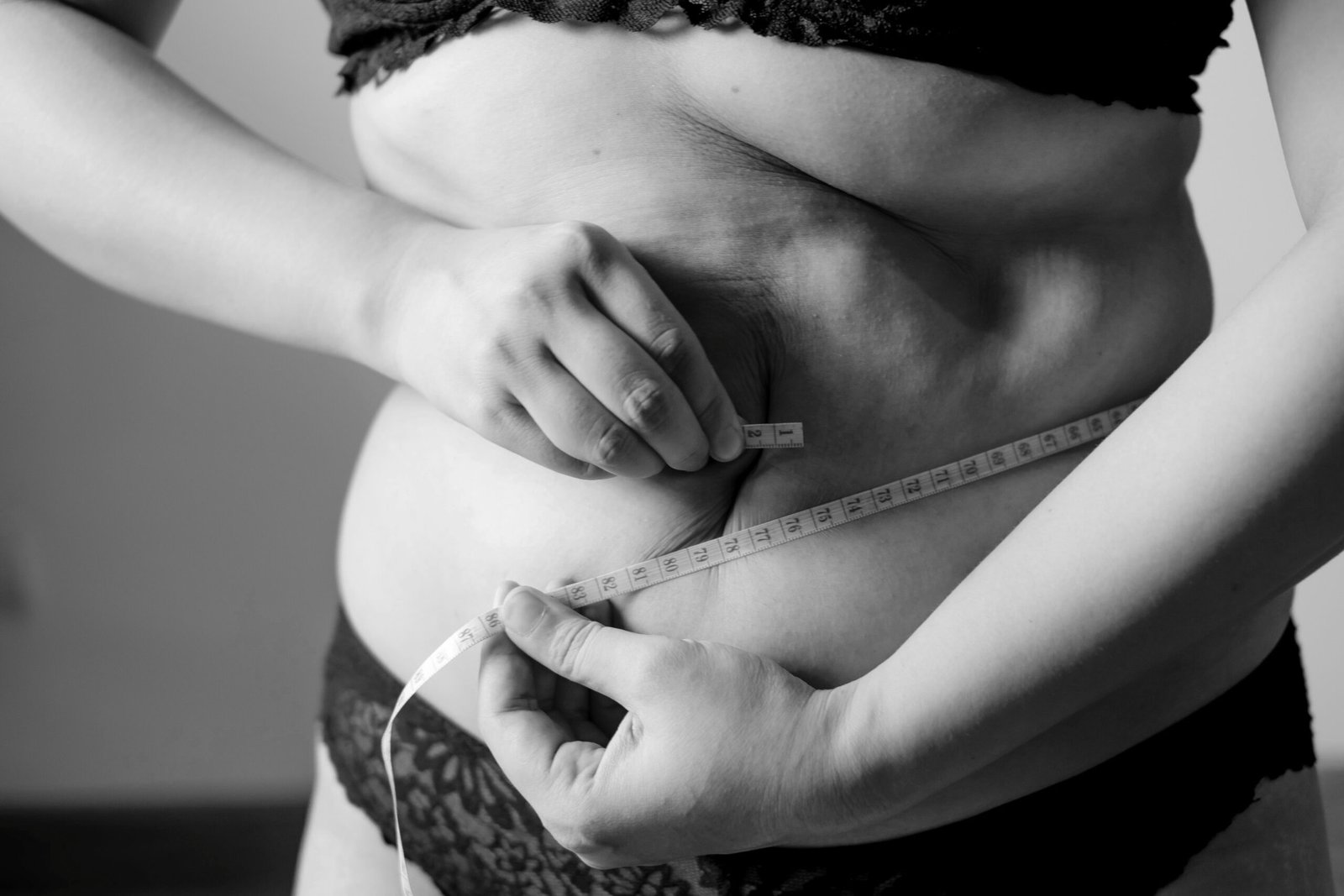
It’s a common question, and it’s understandable why you’d be curious about weight during pregnancy. The straightforward answer is: don’t aim to lose weight while pregnant unless your doctor specifically tells you to. The current medical advice generally focuses on healthy weight gain or maintaining your current weight, not dieting for weight loss.
1. Understanding the “Why” Behind the Guidance
It might seem counterintuitive, especially if you’re used to focusing on weight management. However, pregnancy is a unique physiological state where your body needs energy and nutrients to support not just you, but also a growing baby. Intentionally restricting calories or engaging in strenuous exercise without professional guidance can inadvertently deprive both of you of essential resources.
The Nuances of Weight During Pregnancy
Think of it this way: your body is undergoing a massive transformation. It’s building new tissues, increasing blood volume, and developing a complex organ (the placenta). All of this requires a calorie surplus and a significant influx of nutrients. Trying to force your body into a weight-loss mode can potentially interfere with these vital processes.
When Weight Loss Might Be Discussed
There are specific situations where a clinician might discuss a very controlled approach to calorie intake, but this is not a general recommendation for weight loss. This is typically reserved for individuals with pre-existing conditions like obesity or gestational diabetes. Even then, it’s about careful supervision, not a typical diet.
If you’re looking for guidance on maintaining a healthy lifestyle during pregnancy, you may find the article on weight management particularly helpful. It offers practical tips and insights on how to approach weight loss safely while expecting. For more information, you can read the article here: How to Lose Weight Pregnant.
2. Focusing on What Truly Matters: Nutrient Density
Instead of thinking about “losing weight,” shift your focus to “nourishing your body and your baby.” This means prioritizing foods that pack a nutritional punch in every bite. It’s about making smart food choices that provide the vitamins, minerals, and energy needed for a healthy pregnancy.
The Power of Nutrient-Dense Foods
What does nutrient-dense mean? It means choosing foods that offer a lot of beneficial nutrients relative to their calorie content. Think of colorful fruits and vegetables, lean proteins, whole grains, and healthy fats. These foods are your best friends during pregnancy.
Portion Control, Not Extreme Restriction
You’ll likely find that as your pregnancy progresses, your appetite might change. Listening to your body is key. This isn’t about rigidly counting calories, but rather about being mindful of serving sizes. Using smaller plates, avoiding eating directly out of large packages, and paying attention to hunger and fullness cues can be very helpful.
Examples of Nutrient-Dense Choices
- Veggies: Leafy greens like spinach and kale, broccoli, bell peppers, sweet potatoes.
- Fruits: Berries, apples, bananas, oranges.
- Proteins: Lean chicken and turkey, fish (low-mercury options), eggs, beans, lentils, tofu.
- Whole Grains: Oatmeal, quinoa, brown rice, whole-wheat bread.
- Healthy Fats: Avocados, nuts, seeds, olive oil.
3. Movement Matters: Staying Active Safely
Exercise during pregnancy is generally encouraged and beneficial, but it needs to be approached thoughtfully. The goal is to stay active and healthy, not to push yourself to exhaustion or engage in high-impact activities that could be risky.
The 150-Minute Guideline
A common recommendation is to aim for about 150 minutes of moderate-intensity physical activity per week. This can be broken down into shorter sessions throughout the week, making it more manageable.
What Counts as Moderate Activity?
Moderate intensity means you can talk but not sing during your workout. Good examples include:
- Walking: A brisk walk in the park or around your neighborhood.
- Swimming: The buoyancy of water is excellent for reducing joint stress.
- Prenatal Yoga: Specifically designed for pregnant bodies, focusing on flexibility, strength, and relaxation.
- Stationary Cycling: Keep the resistance at a manageable level.
- Low-Impact Aerobics: Look for classes specifically for pregnant individuals.
When to Check In With Your Clinician
Before starting or continuing any exercise program, it’s crucial to get the all-clear from your healthcare provider. They can advise you on what’s safe based on your individual health and pregnancy status. They might also suggest modifications or specific exercises to avoid.
4. Addressing Specific Health Conditions: Gestational Diabetes and Obesity
If you have pre-existing conditions like obesity or are diagnosed with gestational diabetes, your healthcare team might discuss more specific dietary strategies. This is where the conversation can sometimes touch on calorie management, but it’s always under strict medical supervision.
Supervised Dietary Changes for Gestational Diabetes
For pregnant individuals with gestational diabetes, carefully managed dietary changes can be very effective in managing blood sugar levels. This might involve specific meal timing and food choices to help stabilize glucose.
Recent Research on Calorie Reduction
There’s some newer research suggesting that a carefully supervised, reduced-calorie diet may be safe and beneficial for pregnant individuals with obesity or gestational diabetes, particularly in later pregnancy. The aim here is to help minimize excess weight gain and manage complications, not to achieve significant weight loss. Crucially, this is only to be done under the direct guidance and monitoring of your healthcare provider.
Why Self-Directed Diets Are Risky
Attempting to drastically cut calories or follow a specific weight-loss diet on your own when you have these conditions can be dangerous. It can lead to inadequate nutrient intake for both you and the baby, and it might not effectively manage the underlying health issue.
When it comes to maintaining a healthy lifestyle during pregnancy, many expectant mothers wonder about safe ways to manage their weight. A helpful resource that provides insights on this topic can be found in a related article that discusses effective strategies for weight management while pregnant. You can read more about it here. It’s essential to approach weight loss with caution and prioritize the health of both the mother and the baby, ensuring that any methods used are safe and effective.
5. The Golden Rule: Partner with Your Prenatal Care Team
This is perhaps the most important point. Your prenatal care team is your ultimate resource for navigating weight and nutrition during pregnancy. They have the expertise to assess your individual needs and provide personalized advice.
Regular Monitoring is Key
Your healthcare provider will regularly monitor your weight gain, as well as your nutrition and the baby’s growth. This ongoing assessment allows them to catch any potential issues early and make adjustments to your care plan as needed.
Open Communication is Essential
Don’t hesitate to discuss any concerns you have about your weight, appetite, or eating habits with your doctor or midwife. They are there to support you and can offer practical solutions and reassurance. They can help you understand what a healthy weight gain range looks like for you.
Avoiding Medications
It’s important to know that weight-loss medications are generally not recommended during pregnancy. If you are concerned about weight and have been taking any such medications prior to or during pregnancy, discuss this openly with your doctor.
Building a Healthy Pregnancy, Not Just Managing Weight
Ultimately, the focus during pregnancy should be on building a healthy pregnancy and ensuring the best possible outcome for you and your baby. This involves a holistic approach that prioritizes good nutrition, safe physical activity, and close collaboration with your healthcare providers.
FAQs
Can you safely lose weight while pregnant?
No, it is not safe to actively try to lose weight while pregnant. Pregnancy is a time for your body to nourish and support the growth of your baby, and actively trying to lose weight can be harmful to both you and your baby.
What are some healthy ways to manage weight during pregnancy?
Instead of focusing on weight loss, pregnant women should focus on maintaining a healthy and balanced diet, staying physically active with doctor-approved exercises, and getting regular prenatal care. It’s important to consult with a healthcare provider for personalized guidance.
What are the risks of trying to lose weight while pregnant?
Trying to lose weight while pregnant can lead to inadequate nutrition for both the mother and the baby, which can result in complications such as low birth weight, premature birth, and developmental issues for the baby. It can also increase the risk of maternal health problems.
How much weight should a pregnant woman gain?
The amount of weight a pregnant woman should gain depends on her pre-pregnancy weight. Generally, the Institute of Medicine recommends the following weight gain ranges: 25-35 pounds for women with a normal weight, 28-40 pounds for women who are underweight, 15-25 pounds for women who are overweight, and 11-20 pounds for women who are obese.
What should pregnant women focus on instead of weight loss?
Pregnant women should focus on eating a balanced and nutritious diet that includes a variety of fruits, vegetables, whole grains, lean proteins, and healthy fats. They should also engage in regular physical activity that is safe for pregnancy, such as walking, swimming, or prenatal yoga. It’s important to prioritize overall health and well-being rather than weight loss during pregnancy.
3 thoughts on “Safe Ways to Lose Weight While Pregnant”