Alright, so you’re looking to shed some pounds and wondering what exercises actually make a difference. It’s a fair question, and honestly, the answer isn’t some magic pill or a single obscure move. It’s about consistently doing things that get your body moving and burning energy.
Here are 10 effective exercises for weight loss that are backed by what we know today, and a quick run-down on why they’re worth your time.
1. Walking: The Foundation
Let’s start with the most accessible one: walking. It’s not the most glamorous, sure, but it’s incredibly effective because it’s something most people can do, most days, without needing special gear or a gym membership. The key here is “brisk” walking. Think of it as a pace where you can still talk, but it feels like you’re getting somewhere.
- Why it matters: Sustainability is king when it comes to weight loss. You can easily fit a 30-minute brisk walk into your day, and you’ll be burning around 150 extra calories. That might not sound like a huge number, but add that up over a week, and it’s a significant chunk. It’s also low impact, making it easier on your joints, which means you’re less likely to get sidelined by an injury.
If you’re looking for effective strategies to lose weight without the need for rigorous exercise, you might find this article particularly helpful. It outlines ten practical ways to shed pounds through simple lifestyle changes and dietary adjustments. To explore these tips, check out the article here: 10 Ways to Lose Weight Without Exercising.
2. Running/Jogging: Turning Up the Burn
If you’re ready to step up the intensity from walking, running or jogging is a fantastic option. This is where you really start to see higher calorie burn numbers. It’s a classic for a reason.
- The calorie-burning powerhouse: Running is consistently cited as one of the most efficient cardio exercises for burning calories. At a pace of around 5 miles per hour, you could be looking at burning upwards of 600 calories per hour. That’s a substantial amount to put towards your weight-loss goals.
- Getting started without the shock: If you’re new to running, don’t feel like you have to go all out from day one. Start with a jog, or even a run-walk program. The important thing is to build up your endurance gradually to avoid injury. Listen to your body.
3. Cycling: Smooth Sailing for Fat Loss
Cycling is another excellent choice for cardiovascular health and fat loss, and it often comes with a friendlier impact on your knees and ankles compared to running. Whether you’re on a stationary bike at the gym or hitting the trails outdoors, it’s a solid workout.
- A strong cardio choice: Cycling gets your heart rate up and keeps it there, making it a great way to burn calories and improve your overall fitness. The sustained effort involved in cycling is fantastic for pushing your body to tap into fat stores for energy.
- Low-impact benefits: This is a big plus, especially if you’ve experienced joint pain from other activities. Cycling allows you to get a great workout without putting excessive stress on your body. You can also control the intensity by adjusting your speed and resistance, making it adaptable to your fitness level.
4. Swimming: The Full-Body Workout
Swimming is often called the perfect exercise, and for good reason, especially when it comes to weight loss. It engages almost every muscle group in your body, making it a true full-body workout that also happens to be incredibly effective for burning calories.
- Total body engagement: When you swim laps, you’re using your arms, legs, core, and back. This comprehensive muscle activation means you’re burning more calories than you might with a less inclusive activity. Plus, the resistance of the water itself provides a unique training stimulus.
- Calorie burn on the water: Mayo Clinic research suggests that light to moderate lap swimming can burn around 423 calories per hour. This is a significant number, and again, it’s an activity that’s very gentle on the joints, making it suitable for a wide range of people.
If you’re looking for effective strategies to lose weight through exercise, it’s essential to consider various approaches that can complement your routine. One interesting article discusses simple methods to slim down your face, which can be a common concern for many during their weight loss journey. You can read more about it in this helpful guide. Incorporating targeted exercises alongside a balanced diet can lead to more noticeable results and boost your confidence as you work towards your fitness goals.
5. HIIT (High-Intensity Interval Training): Short Bursts, Big Results
HIIT has gained a lot of traction in recent years, and for good reason. The concept is simple: short, intense bursts of exercise followed by brief recovery periods. This approach is repeatedly highlighted for its effectiveness in fat loss.
- The power of intensity: The “high-intensity” part is key. When you push yourself to your limit for short periods, your body has to work incredibly hard. This not only burns a lot of calories during the workout itself but also triggers a phenomenon called EPOC (Excess Post-exercise Oxygen Consumption), often referred to as the “afterburn effect.” Your metabolism stays elevated for hours after you finish, continuing to burn calories.
- Time-efficient and effective: One of the biggest advantages of HIIT is that you don’t need to spend hours in the gym. A 20-30 minute HIIT session can be incredibly effective. This makes it a great option for people with busy schedules.
- Examples of HIIT moves: Think exercises like burpees, jump squats, high knees, and mountain climbers performed with maximum effort for, say, 30-45 seconds, followed by 15-30 seconds of rest. You can mix and match these to create your own HIIT circuits.
6. Strength Training: Building a Better Metabolism
It might seem counterintuitive to lift weights when you’re trying to lose weight, but current guidance strongly emphasizes strength training as a core component of any successful weight-loss program. It’s not just about building big muscles; it’s about building a more efficient body.
- Preserving precious muscle: When you’re in a calorie deficit to lose weight, your body can sometimes break down muscle tissue for energy. Strength training signals to your body that you need that muscle, helping you preserve it. Why is this important? Muscle tissue is metabolically active, meaning it burns calories even at rest. The more muscle you have, the higher your resting metabolic rate.
- Boosting your metabolism: By increasing your lean muscle mass, you’re essentially turning your body into a more efficient calorie-burning machine. This means you’ll burn more calories throughout the day, even when you’re not actively exercising.
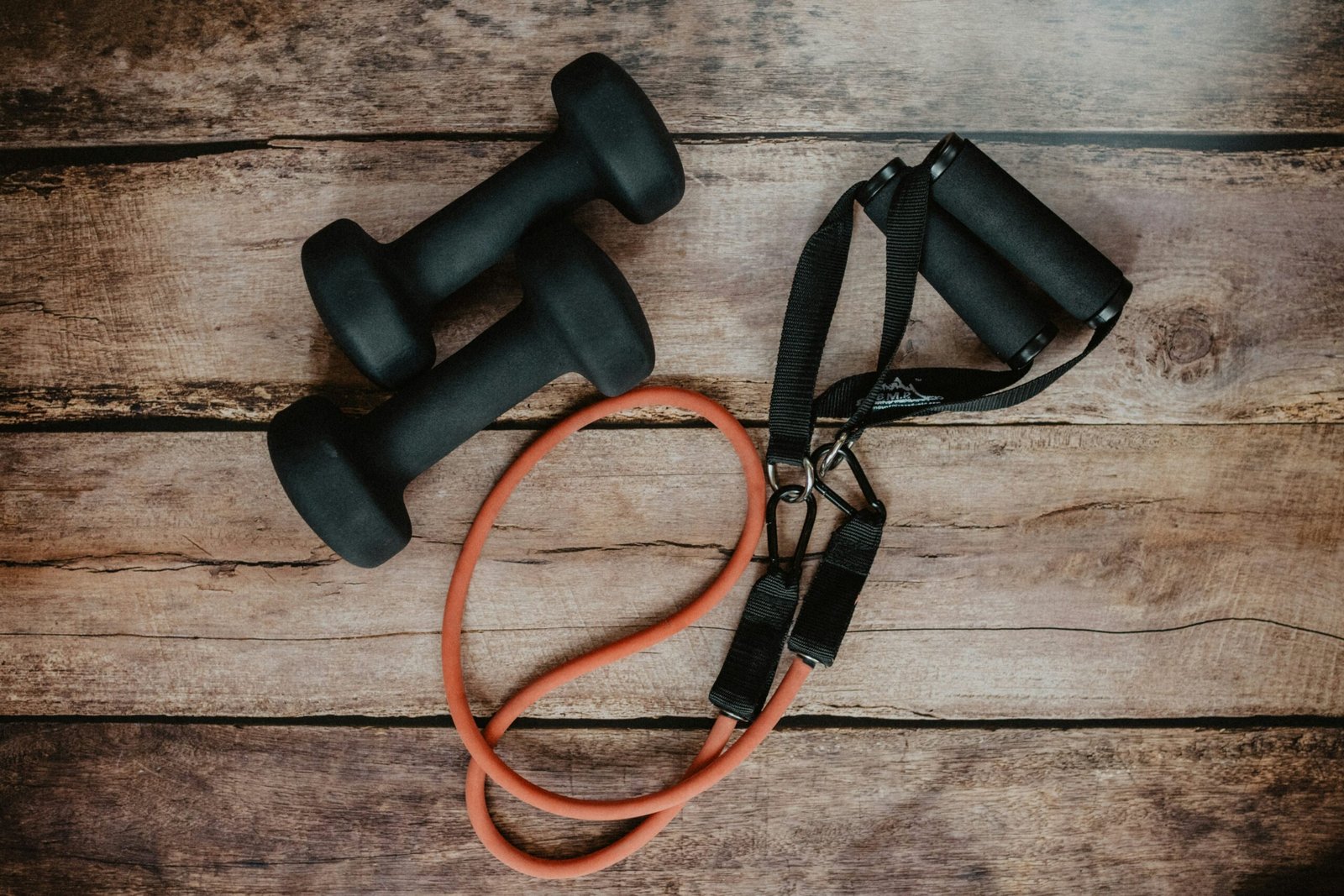
- Beyond the gym: You don’t need to be a bodybuilder. Bodyweight exercises, resistance bands, and lighter weights can all be very effective for building and maintaining muscle. The key is to challenge your muscles progressively.
7. Squats: The Unsung Hero of Compound Movements
When it comes to exercises that give you the most bang for your buck, compound movements are at the top of the list. Squats are a prime example of this. They work multiple large muscle groups simultaneously, making them incredibly effective for calorie burning and muscle building.
- Working the big guns: A proper squat engages your quadriceps, hamstrings, glutes, and core. These are some of the largest muscle groups in your body, and when you activate them all at once, you trigger a significant metabolic response.
- Versatility is key: You can do bodyweight squats if you’re just starting out. As you get stronger, you can add weight by holding dumbbells, kettlebells, or using a barbell. The variations are endless, ensuring you can always challenge yourself.
- Why it’s on so many lists: The sheer efficiency of the squat is why it consistently appears on lists of effective weight-loss exercises. It’s a fundamental movement that builds functional strength and burns a considerable amount of calories in the process.
8. Deadlifts: Building Power and Burning Fat
Similar to squats, deadlifts are another compound lift that is frequently recommended for routines aimed at calorie burning and muscle preservation. This exercise is a powerhouse for building overall strength and engaging a large number of muscle groups.
- Full-body engagement: A deadlift involves lifting a weight from the floor to a standing position. This movement utilizes your hamstrings, glutes, back muscles (including the erector spinae), traps, and forearms. It’s a truly comprehensive exercise.
- Beyond just strength: While deadlifts are fantastic for building raw strength, they also contribute significantly to calorie expenditure. Because so many muscles are involved, the energy demand during and after the exercise is high, aiding in fat loss.
- Form over weight: It’s crucial to prioritize proper form with deadlifts to avoid injury. Start with lighter weights to master the technique, and gradually increase the load as you become more comfortable and proficient. Many people find it beneficial to work with a trainer to learn the correct deadlift form.
9. Burpees: The Ultimate Full-Body Challenge
Burpees are often viewed with a mix of dread and respect. They are a high-effort, full-body movement that are frequently included in fat-loss circuits and for good reason. This exercise is a condensed burst of activity that can seriously elevate your heart rate and calorie burn.
- A quick, intense workout: A burpee combines a squat, a plank, a push-up (optional, but recommended for maximum benefit), and a jump. In a matter of seconds, you’ve worked your legs, core, chest, shoulders, and added a cardio element with the jump.
- The metabolic kickstart: The sheer intensity of performing burpees can lead to a significant calorie burn in a short amount of time. They are excellent for increasing your heart rate rapidly and can be a fantastic way to finish off a workout or as a standalone cardio burst.
- Adaptable for different levels: While notoriously challenging, you can modify burpees. You can skip the push-up, step back instead of jumping into the plank, or reduce the height of your jump. The goal is to make it challenging for you, not impossible.
10. Jump Rope: Time-Efficient Calorie Torcher
If you’re looking for a way to burn a lot of calories in a short amount of time, jumping rope is a frequently overlooked, yet incredibly effective, option. It’s a classic playground activity that packs a serious punch when it comes to fitness.
- Cardio on overdrive: Jumping rope is an excellent cardiovascular exercise. It gets your heart pumping, improves your coordination and agility, and can burn a substantial number of calories. Some estimates suggest you can burn as many calories in 10 minutes of jump rope as you would in 30 minutes of jogging.
- Cost-effective and portable: You don’t need much to get started – just a jump rope! It’s a very portable exercise that you can do almost anywhere, making it incredibly convenient for those on the go or who prefer to work out at home.
- Progressive challenge: Like running, it’s wise to start slowly. Begin with short intervals of jumping and rest. As your stamina and coordination improve, you can increase the duration and intensity. There are also many variations of jump rope techniques that can add to the challenge and fun.
These 10 exercises offer a well-rounded approach to weight loss, combining cardiovascular benefits with strength building. Remember, consistency is key, and finding activities you enjoy will make the journey much more sustainable.
FAQs
1. What are the benefits of exercise for weight loss?
Regular exercise can help you burn calories, increase your metabolism, and build lean muscle mass, all of which contribute to weight loss. It also helps improve your overall health and well-being.
2. How often should I exercise to lose weight?
It is recommended to engage in at least 150 minutes of moderate-intensity aerobic activity or 75 minutes of vigorous-intensity aerobic activity per week, along with muscle-strengthening activities on two or more days a week.
3. What types of exercises are best for weight loss?
A combination of aerobic exercises (such as walking, running, cycling, or swimming) and strength training (using weights or resistance bands) is ideal for weight loss. High-intensity interval training (HIIT) can also be effective.
4. Can I lose weight with exercise alone, or do I need to also focus on diet?
While exercise is important for weight loss, it is also crucial to maintain a healthy and balanced diet. Weight loss is best achieved through a combination of regular exercise and a nutritious diet.
5. Are there any specific tips for incorporating exercise into a weight loss plan?
To make exercise a sustainable part of your weight loss journey, it’s important to find activities you enjoy, set realistic goals, and gradually increase the intensity and duration of your workouts. It can also be helpful to seek guidance from a fitness professional.