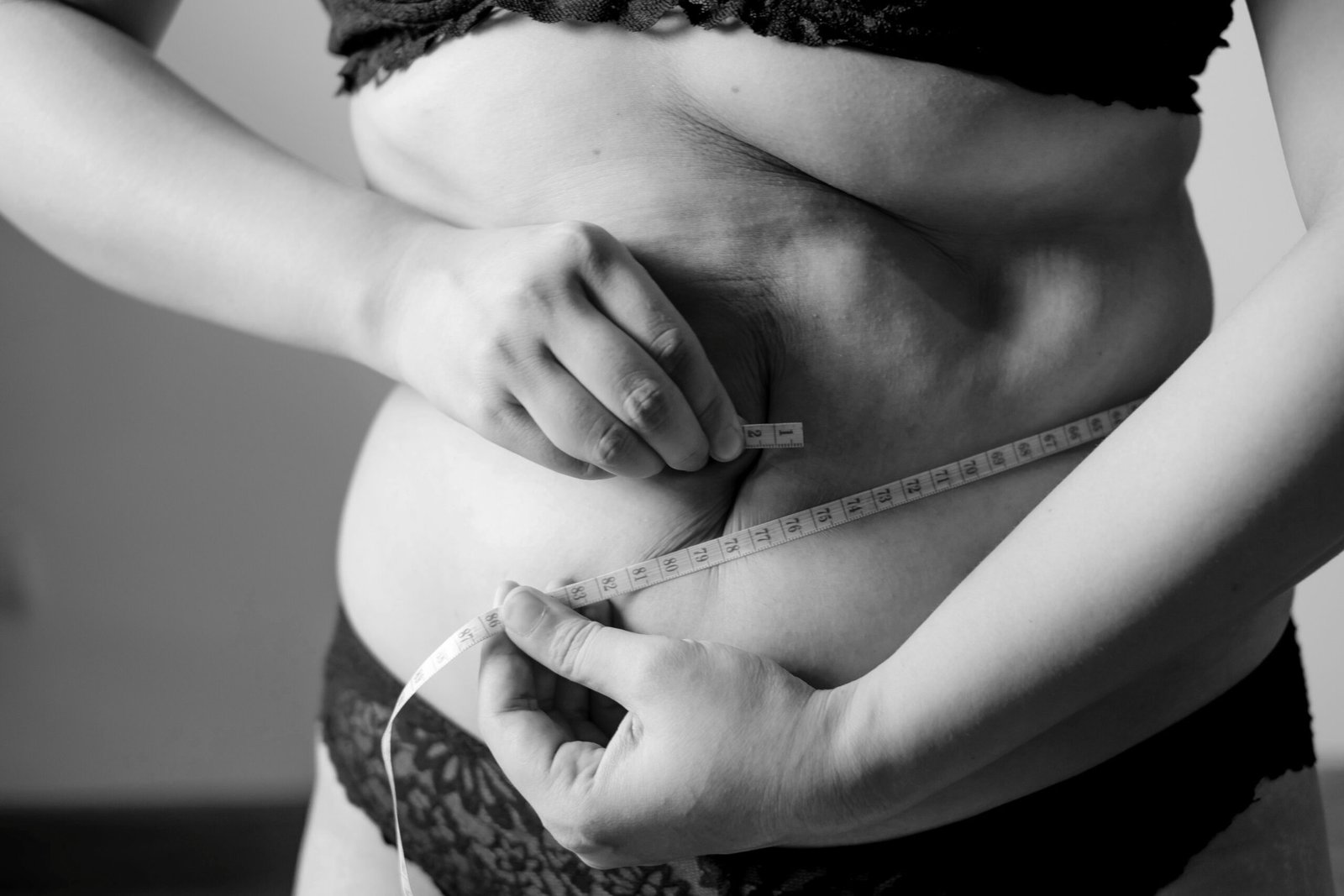
You’re looking to shed a few pounds without hitting the gym or going for a run. The good news is, it’s absolutely doable. While exercise is fantastic for overall health and fitness, your diet and daily habits play a huge role in weight loss. Focus on making smart, sustainable changes to what and how you eat, and how you manage your day-to-day life, and you’ll start to see the numbers on the scale move in the right direction.
Here are 10 practical ways to lose weight without needing to sweat it out:
Feeling full is your secret weapon against overeating. Protein and fiber are superstars when it comes to keeping hunger at bay for longer. Think of them as nature’s built-in appetite suppressors. When you consistently feel satisfied after meals, you’re less likely to reach for unhealthy snacks between them.
Why They Work Wonders
- Protein’s Satiety Factor: Protein takes longer to digest than carbohydrates and fats. It also influences the release of hormones that signal fullness to your brain. This means that a protein-rich meal will keep you feeling satisfied for hours, reducing the urge to snack.
- Fiber’s Filling Power: Fiber adds bulk to your meals without adding a lot of calories. It also slows down digestion, which contributes to that prolonged feeling of fullness. Plus, a healthy gut microbiome, which is fueled by fiber, can play a role in weight management.
Practical Protein and Fiber Boosts
- Start your day right: Incorporate eggs, Greek yogurt, or a protein powder into your breakfast. Add berries, chia seeds, or flaxseeds to your yogurt or smoothie for an extra fiber punch.
- Smart lunches and dinners: Make sure your main meals include lean protein sources like chicken breast, fish, beans, lentils, or tofu. Pair these with plenty of vegetables, whole grains like quinoa or brown rice, and fruits.
- Snack smarter: If you need a snack, opt for a handful of almonds, a hard-boiled egg, a piece of fruit with a spoonful of nut butter, or some edamame. These are packed with protein and/or fiber.
If you’re looking for effective strategies to lose weight without exercising, you might find this article on Funny Donna particularly helpful. It explores various dietary adjustments, mindful eating practices, and lifestyle changes that can contribute to weight loss without the need for a rigorous workout routine. By focusing on what you eat and how you approach your meals, you can achieve your weight loss goals in a sustainable way.
2. Hydrate Smart: Water is Your Friend
Drinking enough water is one of the simplest yet most effective strategies for weight loss. Often, we mistake thirst for hunger. By staying well-hydrated, you can curb unnecessary snacking and even help your body function more efficiently, which indirectly supports weight loss.
The Water Advantage
- Reduces Perceived Hunger: Sometimes, that rumbling in your stomach is just your body signaling it needs fluids, not food. Drinking a glass of water before a meal can help you feel fuller and eat less.
- Boosts Metabolism (Slightly): While not a miracle cure, studies suggest that drinking water, especially cold water, can temporarily increase your metabolic rate as your body works to warm it up. This means you burn a few extra calories.
- Aids Digestion and Nutrient Transport: Water is essential for all bodily functions, including breaking down food and transporting nutrients. A well-functioning digestive system is key for efficient metabolism.
Cutting Out Liquid Calories
- Ditch the sugary drinks: Sodas, sweetened teas, fruit juices (even 100%), and specialty coffee drinks are loaded with empty calories and sugar. Swapping these for water can significantly reduce your daily calorie intake without you feeling deprived of “food.”
- Be mindful of “healthy” drinks: Even seemingly healthy beverages like smoothies can pack a caloric punch. If you enjoy them, be aware of the ingredients and portion sizes.
- Make water accessible: Keep a reusable water bottle with you at all times. Set reminders on your phone to take sips throughout the day. Flavor your water with lemon, cucumber, or mint if plain water feels too boring.
3. Master Your Portions: The Power of the Plate

It’s not just about what you eat, but how much. Our eyes can often trick us into thinking we need more food than we actually do. Consciously controlling your portion sizes is a direct way to reduce your calorie intake, which is fundamental for weight loss.
Smaller Plates, Bigger Impact
- The Visual Trick: Research suggests that using smaller plates can make a regular portion of food look more substantial. This psychological trick can help you feel satisfied with less food, reducing the likelihood of overserving yourself.
- Portion Control Reinforcement: When you have a smaller plate, you’re physically limited in how much food you can put on it, naturally leading to smaller servings.
Practical Portioning Strategies
- Downsize your dinnerware: Invest in a set of smaller plates and bowls. This is a simple, visual cue that can make a big difference over time.
- Be mindful of serving sizes: The serving sizes listed on food packaging are often smaller than what many people eat. Try to measure out your food, at least initially, to get a better understanding of what a true serving looks like.
- Use your hands as a guide: A serving of protein is often about the size of your palm, a serving of vegetables or fruit is about the size of your fist, and a serving of carbohydrates is about the size of your cupped hand.
- Divide and conquer: When cooking, consider portioning out meals into individual containers for the week. This prevents mindless grabbing and overconsumption from large family-style dishes.
4. Eat Slow and Mindful: Savor Every Bite

In our fast-paced world, meals are often rushed, eaten in front of screens, or while multitasking. This lack of attention can lead to overeating because your brain doesn’t get the signal that you’re full until much later, by which time you’ve likely consumed too much.
The Mindful Eating Advantage
- Satiety Signals: It takes about 20 minutes for your brain to register that you’ve eaten. Eating slowly gives your body the time it needs to send those “I’m full” signals, preventing you from overeating.
- Improved Digestion: When you eat slowly, you chew your food more thoroughly, which aids digestion and nutrient absorption.
- Greater Enjoyment: Mindful eating allows you to truly appreciate the flavors, textures, and aromas of your food. This can make mealtimes more satisfying and less about simply filling a void.
How to Practice Mindful Eating
- Eliminate distractions: Turn off the TV, put away your phone, and step away from your computer. Focus solely on your meal.
- Chew thoroughly: Aim to chew each bite 20-30 times. This not only aids digestion but also forces you to slow down.
- Put your fork down between bites: This simple action creates pauses in your eating, giving your body time to catch up.
- Engage your senses: Notice the colors, smells, and textures of your food. What flavors do you taste? Is it crunchy, smooth, savory, sweet?
- Listen to your body: Pay attention to your hunger and fullness cues. Stop eating when you feel comfortably satisfied, not stuffed.
If you’re looking for effective strategies to shed pounds without hitting the gym, you might find it helpful to explore some dietary changes and lifestyle adjustments. A related article that delves into this topic can provide you with valuable insights on how to lose weight without exercise. You can read more about it in this informative piece here. By focusing on nutrition and mindful eating, you can achieve your weight loss goals while maintaining a balanced lifestyle.
5. Sleep Well and Stress Less: Your Hormonal Allies
| Method | Effectiveness | Difficulty |
|---|---|---|
| Intermittent Fasting | High | Medium |
| Reduced Carb Intake | Medium | Low |
| Portion Control | Medium | Low |
| Increased Water Intake | Low | Low |
Your sleep habits and stress levels have a profound impact on your hormones, which in turn, dictate your appetite and cravings. Sacrificing sleep or constantly being under stress can sabotage your weight loss efforts, even if you’re eating well.
The Sleep and Stress Connection
- Ghrelin and Leptin: Lack of sleep can throw off the balance of two key hormones: ghrelin (which stimulates appetite) and leptin (which signals fullness). When you’re sleep-deprived, ghrelin levels can increase, making you feel hungrier, while leptin levels may decrease, making it harder to feel satisfied.
- Cortisol’s Role: Chronic stress leads to elevated levels of cortisol, a hormone that can increase appetite, particularly for high-calorie, comfort foods. It can also promote fat storage, especially around the abdomen.
Strategies for Better Sleep and Stress Management
- Establish a consistent sleep schedule: Go to bed and wake up around the same time each day, even on weekends.
- Create a relaxing bedtime routine: This could include reading, taking a warm bath, or gentle stretching.
- Optimize your sleep environment: Make sure your bedroom is dark, quiet, and cool.
- Find healthy stress-relief techniques: This might include meditation, deep breathing exercises, yoga, spending time in nature, or engaging in hobbies you enjoy.
- Don’t underestimate the power of movement: Even light physical activity, like a gentle walk, can help reduce stress and improve sleep quality.
6. Never Skip Meals (Seriously)
It might sound counterintuitive, but skipping meals, especially breakfast, can actually lead to weight gain. When you go too long without eating, your body can go into “starvation mode,” making you more likely to overeat at your next meal and crave high-calorie, sugary foods.
Why Skipping is a Bad Idea
- The Overeating Trap: When you’re ravenous from skipping a meal, your willpower is often depleted. You’re more likely to make impulsive food choices and consume larger portions than you normally would.
- Metabolic Slowdown: While the “starvation mode” concept is debated, prolonged periods without food can potentially lead to a slight slowing of your metabolism as your body tries to conserve energy.
- Blood Sugar Rollercoaster: Skipping meals can cause your blood sugar levels to drop, leading to fatigue, irritability, and intense cravings for quick energy sources like sweets.
Building a Balanced Eating Schedule
- Prioritize breakfast: Aim to eat within a couple of hours of waking up. A balanced breakfast can set the tone for your entire day and help regulate your appetite.
- Plan for regular meals and snacks: Aim for three balanced meals and one or two healthy snacks throughout the day to keep your energy levels stable and hunger in check.
- Listen to your hunger cues: While planning is important, also be attuned to your body’s signals. If you’re genuinely hungry between meals, have a healthy snack.
7. Choose Whole Foods Over Ultra-Processed Snacks
The food industry has made it incredibly easy to access ultra-processed foods – think packaged snacks, sugary cereals, and fast food. These items are often high in calories, unhealthy fats, sugar, and sodium, while being low in essential nutrients and fiber, making them easy to overeat and difficult to manage for weight loss.
The Downside of Ultra-Processed Foods
- Calorie Dense, Nutrient Poor: They pack a lot of calories into small volumes, offering little nutritional value. This means you can consume a lot of calories without feeling truly nourished or satisfied.
- Designed for Overconsumption: These foods are often engineered with precise combinations of sugar, fat, and salt to be hyper-palatable, meaning they are incredibly hard to stop eating once you start.
- Low in Satiety: Their lack of fiber and protein means they don’t keep you feeling full for long, leading to more frequent snacking and calorie intake.
Embracing Nutrient-Dense, Home-Cooked Meals
- Focus on whole, unprocessed ingredients: Build your meals around lean proteins, plenty of vegetables, fruits, whole grains, and healthy fats.
- Cook more at home: This gives you complete control over the ingredients, cooking methods, and portion sizes. Even simple meals prepared at home are usually healthier than most takeout options.
- Batch cooking: Dedicate some time on the weekend to prepare components of meals (like cooked chicken breast, chopped vegetables, or grains) that you can easily assemble into healthy dishes during the week.
- Read labels carefully: When you do buy packaged foods, scrutinize the ingredient list and nutrition facts. Aim for items with short ingredient lists and minimal added sugars and unhealthy fats.
8. Limit Alcohol Intake
Alcohol can be a sneaky saboteur of weight loss efforts. It not only adds empty calories to your diet but can also impair your judgment and lead to poor food choices.
Alcohol’s Weighty Impact
- Empty Calories: Alcoholic beverages, especially cocktails, beer, and wine, can contribute a significant number of calories to your daily intake without providing any nutritional benefit. A single cocktail can easily pack 300-500 calories or more.
- Appetite Stimulation: Alcohol can stimulate your appetite, making you more likely to overeat, especially on unhealthy, high-calorie foods.
- Impaired Decision-Making: After a few drinks, your inhibitions are lowered, making it harder to resist tempting snacks and less likely that you’ll stick to your healthy eating plan.
- Fat Storage: When your body metabolizes alcohol, it prioritizes processing the alcohol, which can put fat metabolism on hold, potentially leading to increased fat storage.
Smart Strategies for Reducing Alcohol’s Impact
- Set limits: Decide in advance how many drinks you’ll have, if any, and stick to it.
- Choose lower-calorie options: Opt for spirits mixed with soda water or diet tonic, or choose light beer or wine in moderation.
- Alternate with water: For every alcoholic drink you have, drink a glass of water. This helps you stay hydrated and slow down your alcohol consumption.
- Don’t drink on an empty stomach: Always have some food in your stomach before or while you’re drinking alcohol to slow its absorption.
- Consider alcohol-free days: Incorporate days where you don’t consume any alcohol at all.
9. Track Your Meals for Accountability
Keeping a food journal or using a meal tracking app might sound like a chore, but it’s an incredibly powerful tool for weight loss. It brings awareness to your eating habits, helps you identify patterns, and holds you accountable for what you consume.
The Benefits of Tracking
- Increased Awareness: Simply writing down or logging what you eat forces you to be more conscious of your food choices. You’ll quickly notice if you’re snacking too much, eating larger portions than intended, or making unhealthy choices more often than you realized.
- Identifying Problem Areas: Your food journal can highlight specific times of day or types of situations that lead to overeating or poor food choices. Are you stress-eating in the afternoon? Do you mindlessly graze while watching TV?
- Accountability: Knowing that you have to record your meals can act as a deterrent against impulsive, unhealthy eating. It provides a sense of commitment to your weight loss goals.
- Understanding Calorie and Nutrient Intake: Tracking can help you get a clearer picture of your overall calorie and nutrient intake, allowing you to make adjustments as needed to stay within your target range.
How to Make Tracking Work for You
- Be honest and detailed: Record everything you eat and drink, including portion sizes and any sauces or dressings.
- Use a method that suits you: Whether it’s a physical notebook, a spreadsheet, or a mobile app, choose a method you’ll actually use consistently.
- Do it in real-time: Try to log your meals as you eat them or immediately afterward. This ensures accuracy and prevents you from forgetting.
- Review your entries regularly: Don’t just log and forget. Take time each day or week to review your entries and identify any trends or areas for improvement.
10. Boost Your NEAT (Non-Exercise Activity Thermogenesis)
NEAT refers to all the physical activity you do that isn’t planned exercise. This includes everyday movements like walking to your car, fidgeting, standing, doing chores, and even talking with your hands. Increasing your NEAT can surprisingly contribute to calorie expenditure and weight loss without you feeling like you’re working out.
The Power of Everyday Movement
- Constant Calorie Burn: Unlike dedicated exercise sessions that are finite, NEAT activities contribute to calorie burning throughout the entire day. Small bursts of activity add up over time.
- Improved Health Markers: Beyond calorie burning, increasing NEAT has been linked to improved metabolic health, reduced risk of chronic diseases, and better mood.
- Easily Integrated: The beauty of NEAT is that it can be easily incorporated into your existing routine without requiring significant time commitments or specialized equipment.
Simple Ways to Increase NEAT
- Stand more, sit less: If you have a desk job, consider a standing desk or set a timer to remind yourself to stand up and move around every 30 minutes.
- Walk more: Take the stairs instead of the elevator, park further away from your destination, walk during your lunch break, or take a short walk after dinner.
- Fidget and move: Don’t be afraid to tap your feet, shift your weight, or gently move around while sitting or standing. These small movements burn extra calories.
- Incorporate movement into chores: Make cleaning, gardening, or organizing more active. Put on some music and really get into it!
- Pace while talking on the phone: Instead of sitting down, stand up and walk around while you’re on a phone call.
- Take active breaks: Instead of scrolling through social media during breaks, get up and stretch, do a few jumping jacks, or walk around the block.
FAQs
1. What are some effective ways to lose weight without exercise?
Some effective ways to lose weight without exercise include following a balanced and healthy diet, reducing portion sizes, drinking plenty of water, getting enough sleep, and managing stress levels.
2. Can diet alone help in losing weight without exercise?
Yes, diet alone can help in losing weight without exercise. By consuming fewer calories than your body needs, you can create a calorie deficit and lose weight. However, it’s important to focus on nutrient-dense foods and portion control for sustainable weight loss.
3. Are there specific foods that can aid in weight loss without exercise?
Yes, certain foods can aid in weight loss without exercise. Foods high in protein, fiber, and healthy fats can help keep you feeling full and satisfied, while also boosting your metabolism. Examples include lean meats, fish, fruits, vegetables, whole grains, and nuts.
4. How important is hydration in weight loss without exercise?
Hydration is crucial for weight loss without exercise. Drinking plenty of water can help control appetite, improve metabolism, and support the body’s natural detoxification processes. Staying well-hydrated can also prevent overeating and promote overall health.
5. What are some lifestyle changes that can support weight loss without exercise?
Some lifestyle changes that can support weight loss without exercise include getting enough sleep, managing stress levels, practicing mindful eating, and avoiding processed and high-sugar foods. Additionally, incorporating more physical activity into daily routines, such as taking the stairs or walking more, can also contribute to weight loss.
3 thoughts on “10 Ways to Lose Weight Without Exercising”