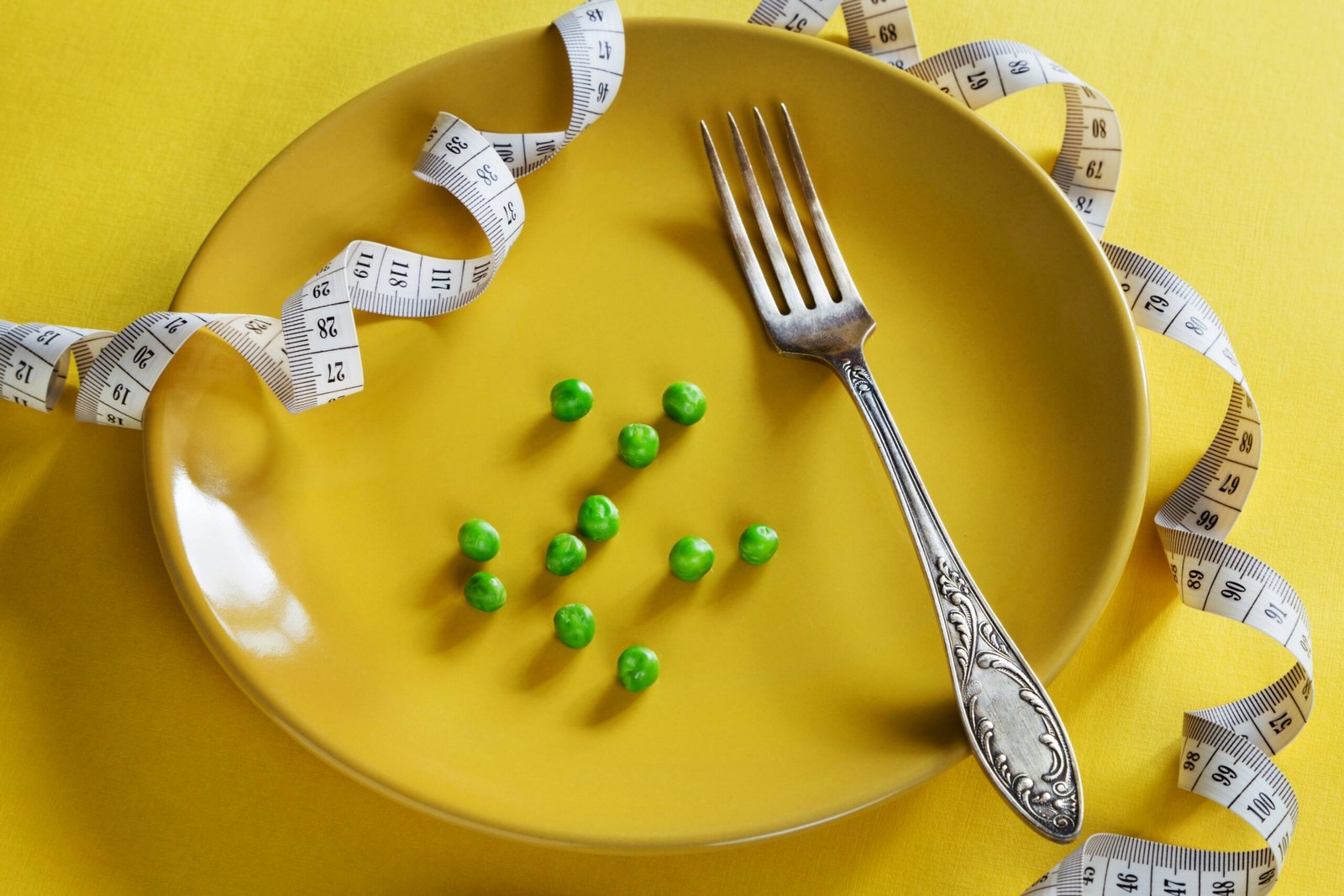
Losing weight quickly often feels like a puzzle, but it doesn’t have to be overly complicated. The most straightforward approach boils down to consistently burning more calories than you consume. This foundational principle, coupled with some smart choices about what and how you eat, along with a bit of activity, can really make a difference. We’re talking about practical, everyday adjustments that add up.
1. Focus on a Calorie Deficit
The core of losing weight is creating a calorie deficit. Simply put, you need to use more energy than you take in. Think of your body as a car; if you put less fuel in than you burn driving around, the fuel tank will eventually get emptier. It’s the same with your body and fat stores.
Understanding Your Calorie Needs
Everyone’s calorie needs are different. They depend on your age, sex, activity level, and current weight. You can find online calculators that give you a rough estimate of how many calories you burn daily. Once you have that number, aim to eat a few hundred calories less than that. Don’t go too low, though; extreme restriction can be counterproductive and unhealthy. A moderate deficit is key for sustainable, faster weight loss.
Practical Ways to Reduce Calories
This doesn’t always mean drastically cutting down on food. Sometimes it’s about making smarter swaps. For example, choosing grilled chicken over fried chicken, or having a salad instead of fries. Every little bit adds up throughout the day. It’s not about feeling deprived, but about making more nutrient-dense choices that naturally have fewer calories for the same volume of food.
If you’re looking for effective strategies to shed those extra pounds without feeling deprived, you might find this article on Funny Donna particularly helpful. It offers practical tips and insights on how to lose weight easily while still enjoying your favorite foods. From simple dietary adjustments to incorporating enjoyable physical activities, this resource provides a well-rounded approach to weight loss that can fit into any lifestyle.
2. Cut Out Liquid Calories
One of the easiest and often overlooked areas to trim calories is in your drinks. Sugary beverages, juices, and alcohol can pack a significant caloric punch without making you feel full.
The Problem with Sugary Drinks
Think about it: a can of soda can have around 150 calories, and many people drink several a day without even thinking about it. These calories don’t provide much in terms of nutrients or satiety. Your body processes liquid calories differently than solid food, so they’re less likely to register as “fullness.”
Smart Drink Swaps
The best alternative is always water. It’s calorie-free, keeps you hydrated, and can even help with hunger signals. If plain water isn’t exciting enough, try adding slices of lemon, lime, cucumber, or berries for a natural flavor boost. Unsweetened tea and coffee are also good options in moderation. Just be mindful of adding cream or sugar, which can quickly negate the benefits.
3. Prioritize Protein, Fiber, and Vegetables
When you’re trying to shed pounds, feeling satisfied after meals is crucial. Protein, fiber, and vegetables are your best friends here because they help you feel full without consuming a ton of calories.
The Power of Protein
Protein is fantastic for weight loss. It helps you feel satiated, which means you’re less likely to snack unnecessarily. Plus, your body uses more energy to digest protein compared to fats or carbohydrates, giving you a slight metabolic boost. Good sources include lean meats, fish, eggs, dairy, legumes, and tofu. Try to include a source of protein at every meal.
Fiber: Your Digestive Ally
Fiber-rich foods add bulk to your diet, helping you feel full and promoting healthy digestion. Soluble fiber, found in oats, beans, and fruits like apples, can also help stabilize blood sugar levels. Insoluble fiber, found in whole grains and vegetables, aids in keeping your digestive system regular. Aim for a good mix of both.
Vegetables: Volume Without the Calories
Vegetables are nutrient powerhouses and are generally very low in calories. They allow you to fill up your plate and eat a satisfying amount of food without overdoing your calorie intake. Think leafy greens, broccoli, bell peppers, carrots, and zucchini. The more variety, the better. They also provide essential vitamins and minerals that your body needs, especially when you’re reducing overall food intake.
4. Get Moving with Regular Exercise
While diet plays a huge role, incorporating regular physical activity amplifies your weight loss efforts and offers a host of other health benefits. You don’t need to become a gym rat overnight.
Brisk Walking: An Easy Start
One of the most accessible forms of exercise is brisk walking. It’s low-impact, requires no special equipment, and can be done almost anywhere. Aim for at least 30 minutes most days of the week. If that feels like too much initially, break it up into shorter 10 or 15-minute walks throughout the day. The goal is to get your heart rate up slightly and feel a bit breathless.
Cardio for Calorie Burn
Beyond walking, activities like jogging, cycling, swimming, or dancing are excellent for burning calories. Cardio exercises improve your cardiovascular health and can significantly contribute to creating that calorie deficit we talked about earlier. Find something you enjoy; consistency is far more important than intensity in the beginning.
Strength Training for Metabolism Boost
Don’t skip strength training. Building muscle mass actually helps your body burn more calories at rest. This means even when you’re just sitting around, your body is working a little harder. You don’t need heavy weights; bodyweight exercises like squats, lunges, push-ups, and planks are incredibly effective. Aim for two to three strength training sessions per week.
If you’re looking for effective strategies to shed those extra pounds without feeling deprived, you might find it helpful to explore various methods that can simplify your weight loss journey. One interesting approach is fasting, which has gained popularity for its potential benefits. For more insights on this topic, check out this article on 7 ways to lose weight with fasting, where you can discover practical tips that could make your weight loss efforts easier and more sustainable.
5. Watch Your Portion Sizes and Track Your Intake
It’s easy to underestimate how much we’re actually eating, especially with today’s larger serving sizes. Being mindful of portions and keeping tabs on what goes into your body can be a game-changer.
Understanding True Portions
Often, what we consider a “normal” serving is actually two or three times what’s recommended. Take a moment to look at nutrition labels and understand what a single serving size looks like. Using smaller plates can also trick your brain into thinking you have a fuller plate, making you feel more satisfied with less food. Measuring cups and a food scale can be helpful tools, especially when you’re starting out.
The Benefit of Tracking
Logging your food intake, even for just a few days, can be incredibly insightful. You might discover hidden calories in sauces, drinks, or snacks you didn’t even consider. There are many free apps available that make tracking fairly simple. It’s not about obsessing, but about gaining awareness and making informed choices. This awareness can highlight areas where you can easily make adjustments to reduce calories without feeling deprived.
6. Steer Clear of Refined Carbs and Sugary Foods
These types of foods often provide a quick burst of energy followed by a crash, and they contribute to calorie surplus without offering much nutritional value or lasting fullness.
The Problem with Refined Carbs
Refined carbohydrates, like white bread, white pasta, and pastries, have had most of their fiber and nutrients stripped away. They are quickly digested, leading to spikes in blood sugar and subsequent drops, which can trigger hunger pangs and cravings. Opt for whole-grain versions instead, which retain their fiber and nutrients, providing sustained energy and better satiety.
The Trap of Sugary Foods
Sugary foods and drinks (like candy, cookies, and most cereals) are calorie-dense but nutrient-poor. They provide little to no lasting fullness, making it easy to overconsume. Beyond the calorie aspect, high sugar intake can contribute to various health issues. Gradually reducing your intake of these items can significantly impact your calorie consumption and overall health. When you crave something sweet, try reaching for a piece of fruit instead.
7. Prioritize Sufficient Sleep
Sleep might seem unrelated to weight loss, but it plays a much bigger role than many people realize. Skimping on sleep can sabotage your best efforts.
How Sleep Affects Hormones
When you don’t get enough sleep, your body’s hormone balance can get thrown off. Specifically, ghrelin (the hunger hormone) levels can increase, making you feel hungrier, while leptin (the satiety hormone) levels can decrease, meaning you feel less full. This double whammy can lead to increased cravings for high-calorie, sugary, and fatty foods.
Making Sleep a Priority
Aim for 7-9 hours of quality sleep per night. Establish a consistent sleep schedule, even on weekends. Create a relaxing bedtime routine – this could involve reading, a warm bath, or light stretching. Ensure your bedroom is dark, quiet, and cool. Avoiding screens (phones, tablets, TV) at least an hour before bed can also significantly improve sleep quality. Treating sleep as an essential component of your weight loss journey, rather than a luxury, can make a real difference.
8. Drink Water Before Meals
This simple habit can make a surprising impact on your food intake and digestion.
Reducing Hunger and Bloating
Drinking a glass or two of water about 30 minutes before a meal can help you feel partially full, leading you to eat less during the meal. Sometimes, your body can confuse thirst with hunger, so hydrating before eating can prevent you from overeating when you’re actually just thirsty. It also helps kick-start your digestive system and can reduce bloating.
Consistent Hydration is Key
Beyond just before meals, staying well-hydrated throughout the day is important for overall health and can support weight loss. Water is involved in numerous bodily functions, including metabolism. Keep a water bottle handy as a reminder to sip throughout the day.
9. Practice Mindful Eating
In our fast-paced world, many of us eat quickly, often while distracted. Slowing down and paying attention to your food can enhance satisfaction and prevent overeating.
Savor Your Food
Mindful eating involves paying attention to the taste, texture, and smell of your food. Put down your fork between bites. Chew slowly and thoroughly. Notice how your body feels as you eat – are you starting to feel full? It takes about 20 minutes for your brain to register fullness signals from your stomach, so eating slowly gives your body time to catch up.
Avoid Distractions
Try to eat without distractions like your phone, TV, or computer. When you’re distracted, it’s easy to eat past the point of fullness without even realizing it. Dedicate meal times to simply eating and enjoying your food. This practice can help you recognize your body’s hunger and fullness cues more effectively, leading to more appropriate portion sizes naturally.
10. Aim for Safe, Steady Loss
While the goal here is “fast” weight loss, it’s crucial to distinguish between quick results and crash dieting. Sustainable and healthy weight loss happens at a moderate pace.
The Dangers of Crash Dieting
Crash diets or extremely restrictive eating plans often lead to rapid initial weight loss, but much of this is water weight, not fat. They are typically unsustainable, can deprive your body of essential nutrients, and often result in rebound weight gain once you return to normal eating patterns (often called “yo-yo dieting”). They can also negatively impact your metabolism in the long run.
Sustainable Progress
A healthy and sustainable rate of weight loss is generally considered to be about 0.5 to 2 pounds per week. While this might not sound “fast,” it’s the rate at which you’re most likely losing actual fat and building habits that will help you keep the weight off for good. Focus on consistency and making small, manageable changes that you can stick with long-term. This steady approach will get you to your goals more effectively and safely than any quick fix.
FAQs
1. What are some effective ways to lose weight easily?
Some effective ways to lose weight easily include eating a balanced diet, exercising regularly, getting enough sleep, and managing stress levels.
2. How can I make changes to my diet to help with weight loss?
You can make changes to your diet by reducing your intake of processed foods, sugary drinks, and unhealthy snacks, and increasing your consumption of fruits, vegetables, lean proteins, and whole grains.
3. What types of exercises are best for weight loss?
Cardiovascular exercises such as running, cycling, swimming, and high-intensity interval training (HIIT) are effective for weight loss. Additionally, strength training can help build muscle and boost metabolism.
4. How important is getting enough sleep for weight loss?
Getting enough sleep is crucial for weight loss as it helps regulate hormones that control appetite and metabolism. Lack of sleep can lead to increased cravings and decreased energy levels, making it harder to stick to a healthy lifestyle.
5. What are some tips for managing stress to aid in weight loss?
Some tips for managing stress to aid in weight loss include practicing relaxation techniques such as meditation and yoga, engaging in regular physical activity, seeking support from friends and family, and prioritizing self-care.