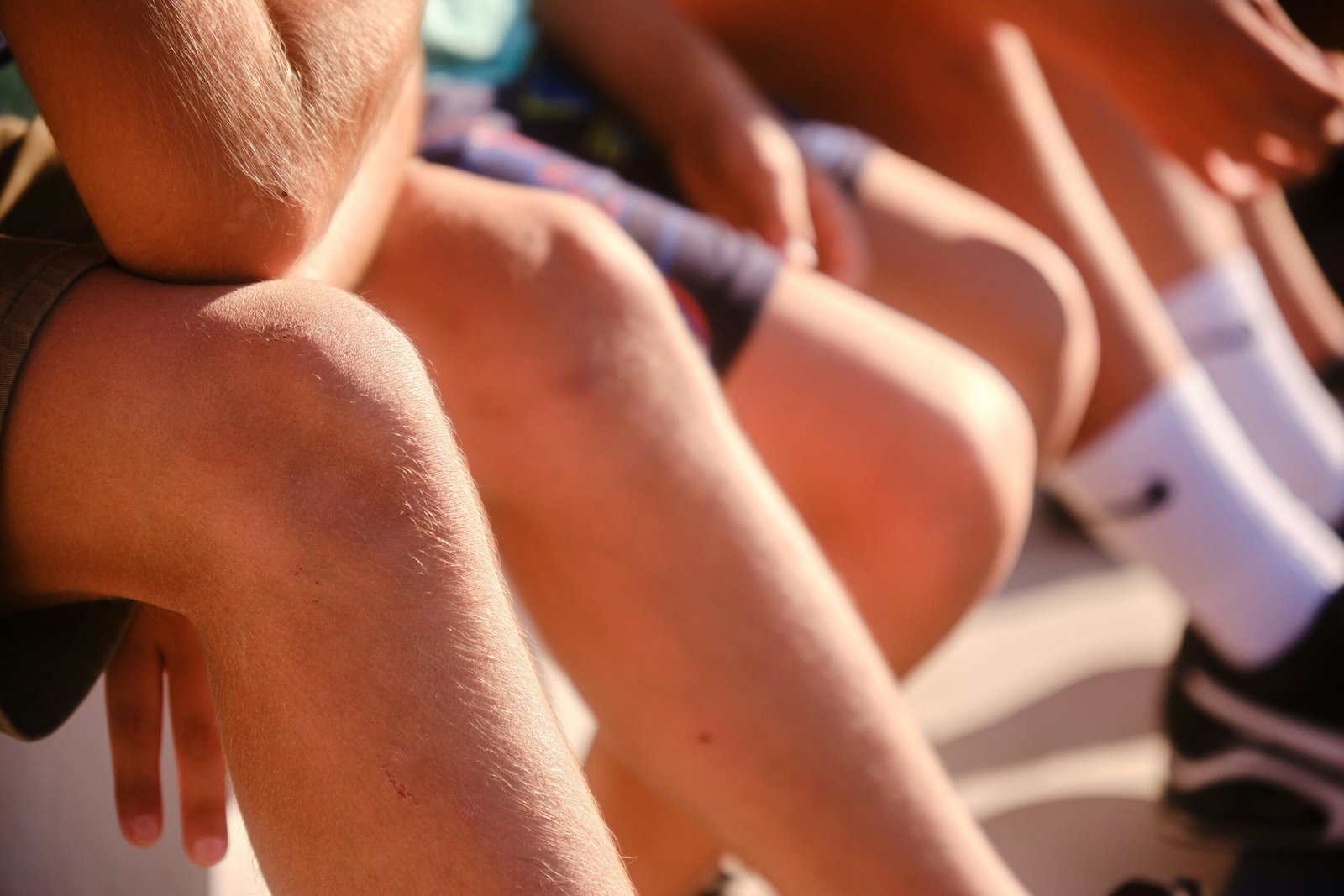
If you’re looking to slim down your legs, the quickest answer is this: it’s largely about reducing overall body fat through a combination of diet and exercise, not just targeting your legs directly. While you can’t truly “spot reduce” fat from one specific area, you can certainly improve the appearance and tone of your legs by focusing on these broader health and fitness principles.
1. Focus on Your Diet to Create a Calorie Deficit
Let’s get this straight from the start: truly “slimming down” your legs, in the sense of reducing fat, comes down to losing overall body fat. You can’t just pick your legs and say, “poof, fat be gone!” It’s a whole-body effort. This means your diet plays a massive role.
1.1 Understanding Calorie Deficit
A calorie deficit simply means you’re consuming fewer calories than your body burns each day. When your body needs more energy than it’s getting from food, it starts tapping into its fat stores. This is the fundamental principle behind all fat loss. Without a calorie deficit, even the most intense leg workouts won’t make a significant difference in fat reduction.
- How to achieve it: This isn’t about starvation diets. It’s about making sustainable, healthy choices. Think about reducing portion sizes, opting for whole, unprocessed foods, and being mindful of high-calorie drinks and snacks.
- Tracking your intake: While not everyone loves counting calories, even a few days of tracking can give you a really clear picture of where your calories are coming from. Apps can make this surprisingly easy and informative.
1.2 Prioritize Whole, Nutrient-Dense Foods
When you’re trying to reduce your calorie intake, it’s crucial to make those calories count. Filling your plate with nutrient-dense foods will keep you feeling full and satisfied without excess calories.
- Lean protein: Foods like chicken breast, fish, tofu, and legumes are your friends. Protein is very satiating, meaning it helps you feel full for longer, which can prevent overeating. It also helps preserve muscle mass while you’re losing fat.
- Fiber-rich vegetables and fruits: These are typically low in calories but high in volume and fiber. They add bulk to your meals, helping you feel satisfied, and provide essential vitamins and minerals. Think leafy greens, broccoli, berries, and apples.
- Healthy fats: Don’t be afraid of fats entirely! Healthy fats from avocados, nuts, seeds, and olive oil are important for hormone function and overall health, and they also contribute to satiety. Just be mindful of portion sizes as they are calorie-dense.
- Limit processed foods: These often contain high amounts of added sugars, unhealthy fats, and sodium, which contribute to excess calorie intake and can lead to water retention. Focus on cooking at home and choosing fresh ingredients whenever possible.
If you’re looking to lose weight specifically in your legs, you might find it helpful to explore various strategies that can complement your efforts. One related article that offers insights into safe weight loss methods during pregnancy is available at this link. While the focus is on pregnancy, many of the tips can be adapted for anyone seeking to achieve a healthier body, including targeted exercises and dietary recommendations that can help tone and slim down your legs effectively.
2. Incorporate Regular Cardio Workouts
Once you’ve got your diet on track, regular cardiovascular exercise is your next big ally in the battle against overall body fat, which directly translates to slimmer legs. Cardio helps burn calories, which contributes to that all-important calorie deficit.
2.1 Choose Activities You Enjoy
The best cardio is the cardio you actually do. If you dread your workouts, you’re far less likely to stick with them. Find activities that you genuinely enjoy, and it will feel less like a chore and more like a beneficial part of your day.
- Brisk walking: This is a fantastic, low-impact option. You can do it almost anywhere, it doesn’t require special equipment, and you can easily incorporate it into your daily routine. Aim for a pace where you can still talk but are slightly breathless.
- Running/Jogging: If your joints can handle it, running is a highly effective calorie burner. Start slow if you’re new to it, and gradually increase your distance and intensity.
- Cycling: Whether it’s on a stationary bike or outdoors, cycling is a great way to get your heart rate up and work your leg muscles without putting direct impact on your joints.
- Swimming: A full-body workout that’s very low impact. It’s excellent for overall fitness and can be a refreshing option, especially in warmer weather.
- Other aerobic exercises: Think dancing, hiking, elliptical training, or even energetic sports. The key is to get your heart rate elevated and sustain it for a period.
2.2 Aim for Consistency and Progression
Consistency is far more important than sporadic, intense workouts. Aim for regular sessions, and gradually challenge yourself over time.
- Frequency: Most experts recommend at least 150 minutes of moderate-intensity cardio or 75 minutes of vigorous-intensity cardio per week. This could be 30 minutes of brisk walking five times a week, or three 25-minute runs.
- Duration: Try to sustain your cardio sessions for at least 20-30 minutes once you’re comfortable. Shorter bursts are better than nothing, but longer durations generally lead to more calorie burn.
- Intensity: Don’t just cruise along. You should feel like you’re working. Use the “talk test”: you should be able to speak in full sentences but find it a bit challenging. If you can sing, you’re probably not working hard enough.
3. Integrate Strength Training
While cardio helps burn fat, strength training is essential for shaping and toning your legs. It builds lean muscle, which not only makes your legs look more defined but also boosts your metabolism, helping you burn more calories even at rest. Don’t worry, you won’t bulk up your legs unless you’re intentionally training like a bodybuilder and eating a significant calorie surplus.
3.1 Compound Exercises for Maximum Impact
Compound exercises work multiple muscle groups at once, making them incredibly efficient for building strength and burning calories. These are your go-to moves for leg training.
- Squats: The king of leg exercises. They work your quads, hamstrings, glutes, and even your core.
- Variations: Bodyweight squats, goblet squats (holding a dumbbell), sumo squats (wider stance), barbell squats. Start with bodyweight to master the form.
- Lunges: Excellent for targeting each leg individually and improving balance. They work your quads, hamstrings, and glutes.
- Variations: Forward lunges, reverse lunges, walking lunges, side lunges.
- Step-ups: Great for targeting your glutes and quads. You can use a sturdy bench, chair, or plyo box.
- Execution: Step up onto the platform with one foot, driving through your heel to stand tall. Step back down slowly.
- Glute Bridges: A fantastic exercise for activating and strengthening your glutes and hamstrings without putting strain on your lower back.
- Execution: Lie on your back with knees bent and feet flat on the floor, hip-width apart. Lift your hips towards the ceiling, squeezing your glutes at the top.
3.2 Focus on Proper Form and Progressive Overload
Good form is crucial to prevent injuries and ensure you’re effectively working the target muscles. Once you’ve mastered the form, aim for progressive overload to keep challenging your muscles.
- Start with bodyweight: Perfect your technique before adding any weights. Watch videos, use a mirror, or even consider a session with a trainer to ensure you’re doing it right.
- Gradually add resistance: Once bodyweight exercises become easy, you can add dumbbells, kettlebells, resistance bands, or barbells. The goal is to choose a weight that challenges you for 8-15 repetitions while maintaining good form.
- Increase reps or sets: If you don’t have heavier weights, you can increase the number of repetitions or sets you perform.
- Frequency: Aim for 2-3 strength training sessions per week, allowing a day of rest in between for muscle recovery.
4. Limit Sodium and Support Fluid Balance
Sometimes, what looks like excess fat in your legs can actually be water retention or swelling. Addressing fluid balance can make a noticeable difference in how your legs look and feel.
4.1 Reduce Sodium Intake
Sodium plays a big role in how your body retains water. Too much sodium can lead to puffiness and swelling, especially in the lower legs.
- Beware of processed foods: The biggest culprit for high sodium intake is often processed and packaged foods. Think canned soups, frozen meals, deli meats, fast food, and many snack foods. Reading food labels carefully can reveal surprisingly high sodium counts.
- Cook at home: When you cook your own meals, you have complete control over the amount of salt you add. Use herbs, spices, lemon juice, and vinegar to add flavor instead of relying heavily on salt.
- Choose fresh over pre-made: Opt for fresh vegetables, fruits, lean meats, and whole grains instead of their processed counterparts.
4.2 Maintain Adequate Hydration
It might seem counterintuitive, but drinking enough water can actually help reduce water retention. When you’re dehydrated, your body tends to hold onto water more tightly as a survival mechanism.
- Drink plain water consistently: Aim for at least 8 glasses (around 2 liters) of water a day, and more if you’re exercising or in a hot climate. Keep a water bottle handy throughout the day as a reminder.
- Limit sugary drinks: Sodas, fruit juices with added sugar, and energy drinks often contain empty calories and can sometimes contribute to bloating.
- Consider potassium-rich foods: Potassium helps balance sodium levels in the body and can aid in flushing out excess fluid. Foods like bananas, spinach, avocados, sweet potatoes, and tomatoes are excellent sources.
If you’re looking for effective strategies to lose weight in your legs, you might find it helpful to explore related topics that cover overall fitness and nutrition. One such article discusses various exercises and dietary tips that can complement your leg weight loss journey. You can read more about these helpful insights in this informative piece that provides a comprehensive approach to achieving your fitness goals.
5. Utilize Recovery and Circulation Habits
Beyond diet and exercise, there are practical habits you can adopt to improve circulation, reduce swelling, and enhance the overall appearance and comfort of your legs. These are often overlooked but can make a real difference.
5.1 Promote Blood Flow and Reduce Swelling
Stagnant blood flow and fluid buildup can contribute to a heavy, swollen feeling in your legs. Simple daily habits can help counteract this.
- Take walking breaks: If you have a job that requires long periods of sitting or standing, make an effort to move around every hour or so. Even a few minutes of walking can significantly improve circulation.
- Perform calf pumps: While sitting or standing, lift your heels off the ground and rock onto the balls of your feet, then lower your heels. Repeat this 10-15 times. This activates your calf muscles, which act as a “second heart” to pump blood back up towards your heart.
- Elevate your legs: At the end of the day, lie down and elevate your legs above your heart for 15-20 minutes. You can use pillows or lean them against a wall. This helps gravity assist in draining accumulated fluid.
- Consider compression socks: For long periods of sitting (like travel) or standing, mild compression socks can help prevent fluid buildup and improve circulation in your lower legs. They provide gentle pressure that supports your veins.
5.2 Aid Muscle Recovery and Flexibility
Taking care of your muscles post-workout and improving flexibility can also contribute to a leaner, more elongated look in your legs.
- Stretching: Incorporate gentle stretching into your routine, especially after workouts. Focus on hamstrings, quads, and calves. Regular stretching can improve flexibility, reduce muscle soreness, and give your legs a more elongated appearance.
- Examples: Hamstring stretches (e.g., touching toes, seated hamstring stretch), quad stretches (e.g., standing quad stretch), calf stretches (e.g., wall calf stretch).
- Foam Rolling: This self-myofascial release technique can help break up muscle knots, improve blood flow to tight areas, and aid in muscle recovery. It can be particularly effective for the quads, hamstrings, and calves.
- Technique: Roll slowly over tight areas, pausing on tender spots for 20-30 seconds. It might be a little uncomfortable but shouldn’t be excruciatingly painful.
By combining these practical strategies, you’re not only working towards slimmer-looking legs but also embracing a healthier, more active lifestyle overall. Remember, patience and consistency are key – real, sustainable changes take time.
FAQs
1. What are some effective exercises to lose weight in the legs?
Some effective exercises to lose weight in the legs include squats, lunges, leg presses, and calf raises. These exercises target the muscles in the legs and can help to reduce fat and tone the legs.
2. Is spot reduction possible for losing weight in the legs?
Spot reduction, or targeting weight loss in a specific area of the body, is not scientifically proven. To lose weight in the legs, it is important to engage in overall weight loss through a combination of diet and exercise.
3. How can diet contribute to losing weight in the legs?
A balanced diet that is low in processed foods and high in lean proteins, fruits, vegetables, and whole grains can contribute to weight loss in the legs. Consuming fewer calories than the body needs can lead to overall weight loss, including in the legs.
4. What are some lifestyle changes that can help with losing weight in the legs?
In addition to exercise and diet, lifestyle changes such as reducing sedentary behavior, increasing daily physical activity, and getting an adequate amount of sleep can contribute to losing weight in the legs.
5. How long does it typically take to see results in the legs from weight loss efforts?
The time it takes to see results in the legs from weight loss efforts can vary depending on individual factors such as starting weight, body composition, and consistency with diet and exercise. Generally, noticeable results can be seen within a few weeks to a few months of consistent effort.