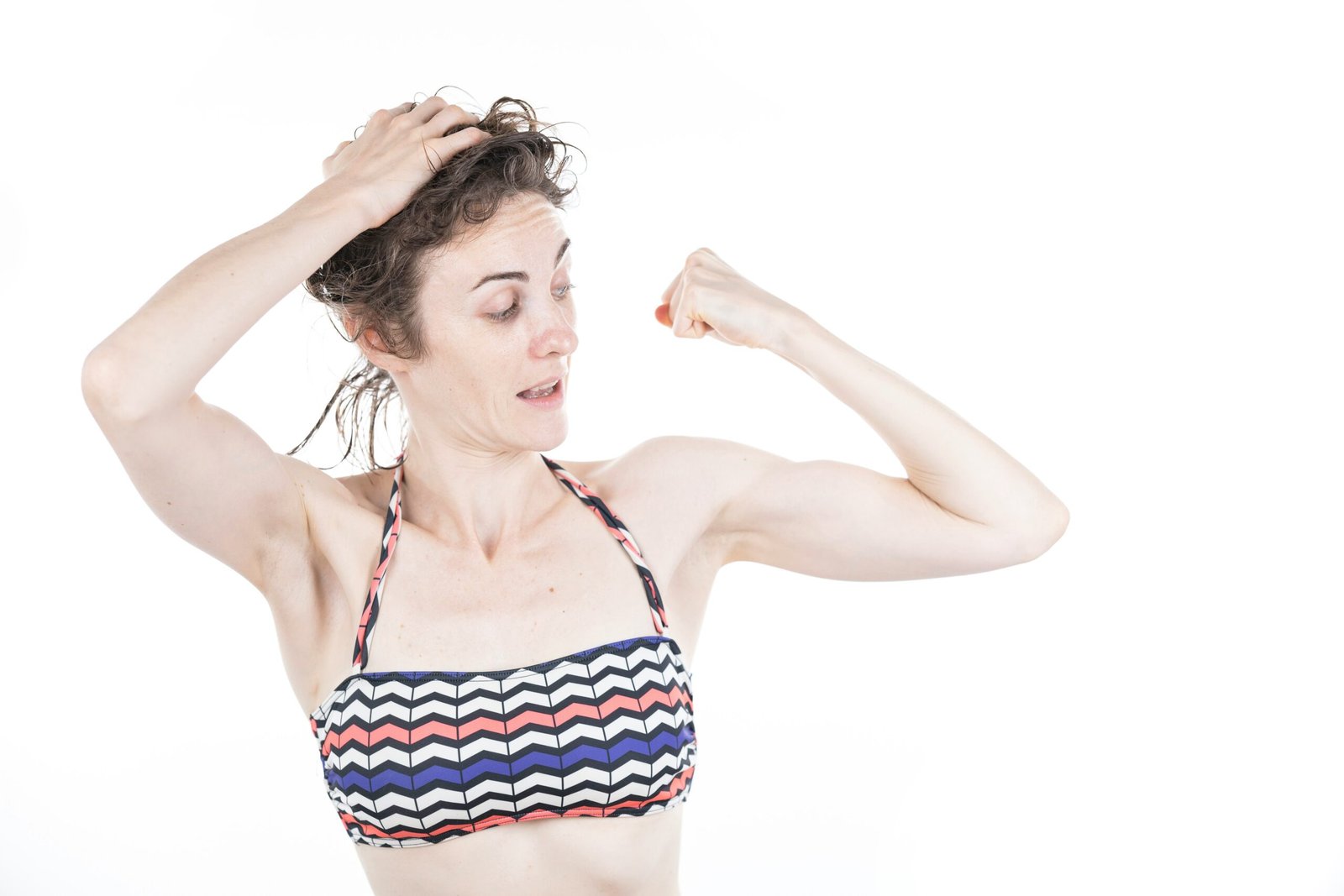
So, you’re looking to slim down your arms and wondering what exercises actually make a difference. It’s a common goal, and the good news is that it’s achievable with the right approach. The short answer is: arm circles, push-ups, plank variations, tricep dips, and bicep curls are five effective arm workouts that can contribute to weight loss when incorporated into a broader fitness plan. But, and this is a big but, it’s important to understand that you can’t just spot-reduce fat from your arms alone. Weight loss is a whole-body effort, and these exercises are best thought of as tools to build muscle, boost your metabolism, and contribute to that overall goal. Let’s dive into how you can use these moves to your advantage.
Often, we think of workouts as big, intense movements, but sometimes the simplest things are the most effective. Arm circles fall into that category. They’re not going to burn a massive amount of calories on their own, but they play a crucial role in preparing your body for more strenuous activity. Think of them as a dynamic warm-up that gets the blood flowing and wakes up those often-neglected shoulder and arm muscles. This preparation can help prevent injury and allow you to push a little harder during your main workout.
Why They Matter for Weight Loss (Indirectly)
While arm circles aren’t a fat-burning powerhouse, they’re an essential starting point. By activating the muscles in your shoulders and upper arms, you’re setting yourself up for better performance in other exercises that do burn more calories. A well-activated muscle group can work more efficiently and safely. Plus, getting your arms moving can contribute to a slightly higher calorie expenditure overall, especially if you do them consistently before your main routine.
How to Do Them Right
This is where you need to be a bit mindful to get the most out of it.
- Start Standing: Stand with your feet shoulder-width apart, maintaining a stable core.
- Arms Extended: Extend your arms straight out to your sides, parallel to the floor. Keep a slight bend in your elbows to avoid locking them.
- Small Circles First: Begin with small, controlled circles forward. Focus on the movement originating from your shoulder joint.
- Gradually Increase Size: As you feel your muscles warming up, you can gradually increase the size of the circles.
- Forward and Backward: Perform circles in both a forward and backward direction. Aim for 15-20 circles in each direction.
- Controlled Pace: Don’t rush. A controlled pace will engage the muscles more effectively than flinging your arms around.
- Listen to Your Body: If you feel any sharp pain, stop. This is a warm-up, not a test of endurance.
Variations to Consider
Once you’ve mastered the basic arm circle, you can make it a bit more challenging.
- Larger Circles: As mentioned, increasing the size of the circles will require more engagement from your shoulder muscles.
- Arm Circles with Resistance: For those looking for a little more, you could hold very light weights (like 1-pound dumbbells or even water bottles) while performing the circles. This adds a touch of resistance, but the focus remains on controlled movement.
- Alternating Arm Circles: Perform circles with both arms simultaneously in opposite directions (one forward, one back) to add a coordination element.
If you’re looking to slim down your arms, you might find it helpful to explore various strategies that don’t necessarily involve rigorous exercise. One insightful article that discusses effective methods for weight loss without the need for a workout routine is available at this link: 10 Ways to Lose Weight Without Exercising. This resource offers practical tips that can complement your efforts to tone your arms and achieve your weight loss goals.
2. Push-Ups: The Classic Compound Powerhouse
Push-ups are a staple for a reason. They’re a fantastic compound exercise, meaning they work multiple muscle groups at once. When you do a push-up, you’re not just targeting your arms; you’re engaging your chest, shoulders, and core. This full-body engagement is crucial for burning calories efficiently, which is a key component of any weight loss plan.
Why Push-Ups Are Great for Fat Loss
- Calorie Burn: Because push-ups are a compound movement that requires significant effort, they burn a good number of calories during the exercise. The more muscle you engage, the more energy you expend.
- Muscle Building: Building lean muscle mass is essential for long-term weight management. Muscle tissue burns more calories at rest than fat tissue, so increasing your muscle mass can boost your metabolism.
- Functional Strength: Push-ups translate to everyday movements, making you stronger and more capable in daily life.
Mastering the Push-Up Form
Proper form is paramount to get the benefits and avoid injury.
- Starting Position: Get down on your hands and knees. Place your hands slightly wider than shoulder-width apart, fingers pointing forward.
- Plank Position: Extend your legs back, so you are in a straight line from your head to your heels. Your core should be engaged, glutes squeezed, and back flat. Avoid letting your hips sag or pike upwards.
- Lowering: Slowly lower your chest towards the floor, keeping your elbows tucked in slightly (not flared out wide). Aim to lower yourself until your chest is close to the ground or your elbows are at about a 90-degree angle.
- Pushing Up: Exhale and push yourself back up to the starting plank position, extending your arms fully but without locking your elbows.
- Breathing: Inhale as you lower, exhale as you push up.
Variations to Scale and Progress
The beauty of push-ups is their adaptability.
- Knee Push-Ups: If standard push-ups are too challenging, start on your knees. Maintain the straight-line core engagement from your knees to your head. This is a fantastic way to build the strength needed for full push-ups.
- Incline Push-Ups: Use a stable elevated surface like a sturdy table, bench, or even a wall. The higher the surface, the easier the push-up. This allows you to still work the muscle groups effectively.
- Decline Push-Ups: For an added challenge, elevate your feet on a stable surface. This puts more emphasis on your upper chest and shoulders.
- Wide-Grip Push-Ups: Place your hands wider than shoulder-width apart. This targets the chest muscles more.
- Close-Grip (Diamond) Push-Ups: Place your hands close together, forming a diamond shape with your thumbs and index fingers. This puts more emphasis on the triceps.
3. Plank Press / Plank Variations: Core Strength Meets Arm Power

Plank variations are excellent for simultaneously strengthening your core and your arms. They’re a fantastic way to build endurance and stability, which are foundational for many other exercises and for overall fitness. The plank press, specifically, adds a dynamic element to the static plank, making it more engaging for your arms and shoulders.
Why They Help with Weight Loss
- Total Body Engagement: A strong core is not just about aesthetics; it’s about stability and efficiency in movement. When your core is engaged, your other muscles can work more effectively, leading to better workouts and more calorie burn.
- Metabolic Boost: Exercises that engage multiple muscle groups, especially those that challenge your stability, can contribute to a higher calorie burn.
- Improved Posture: Better posture can make you look and feel leaner, and it also improves the efficiency of your movements, allowing you to perform other exercises with greater intensity.
Performing a Plank Press
This move takes the classic plank and adds an upper-body push-up element.
- Starting Position: Begin in a standard plank position on your forearms, with your elbows directly beneath your shoulders and your body in a straight line from head to heels. Engage your core tightly.
- The Press: Place one hand flat on the ground, then push off with your forearms to bring yourself up onto your hands, one arm at a time, into a high plank position (like the top of a push-up).
- Lowering Back Down: Slowly lower yourself back down to your forearms, one arm at a time, maintaining control throughout the movement.
- Alternating Arms: You can alternate which arm leads the press each time.
- Repetitions: Aim for a set number of repetitions or a specific duration for each side.
Other Effective Plank Variations
Don’t limit yourself to just the plank press; other variations offer great benefits.
- Standard Plank: Simply hold the plank position on your forearms or hands for as long as possible, focusing on maintaining a straight line and engaging your core. This builds isometric strength.
- Side Plank: Lie on your side and prop yourself up on one forearm, with your elbow under your shoulder. Stack your feet and lift your hips, creating a straight line from head to feet. Hold for time on each side. This targets the obliques and shoulder stabilizers.
- Plank Jacks: From a high plank position, jump your feet out wide and then back together, similar to a jumping jack. This adds a cardiovascular element.
- Plank with Shoulder Taps: From a high plank position, gently tap your opposite shoulder with your hand, alternating sides. This requires significant core stability to prevent rocking.
4. Tricep Dips: Targeting the Back of the Arms

If you’re looking to tone up the back of your arms, tricep dips are an excellent choice. This exercise directly targets the tricep muscles, which are often a key area people want to define. While they primarily work the triceps, they also engage the shoulders and chest to a lesser extent.
How Tricep Dips Aid Weight Loss
- Muscle Toning: By building and strengthening the tricep muscles, you contribute to a more toned appearance in your arms.
- Increased Metabolism: As mentioned before, building muscle, even in specific areas, contributes to a higher resting metabolic rate, meaning you burn more calories throughout the day.
- Functional Strength: Strong triceps are important for pushing movements, which are common in many daily activities and other exercises.
Performing Bench Dips
This is a common and effective way to do tricep dips.
- Setup: Find a sturdy bench, chair, or step. Sit on the edge of the surface with your knees bent and feet flat on the floor.
- Hand Placement: Place your hands on the edge of the bench next to your hips, fingers pointing forward.
- Lowering: Slide your hips forward off the edge of the bench. Keep your back close to the bench as you lower your body down by bending your elbows. Your elbows should point straight back.
- Depth: Lower yourself until your elbows are bent at about a 90-degree angle, or as far as is comfortable without pain.
- Pushing Up: Push through your palms to straighten your arms and return to the starting position.
- Form Focus: Keep your core engaged and avoid shrugging your shoulders.
Variations to Make Them Easier or Harder
You can adjust the difficulty of tricep dips based on your current fitness level.
- Bent Knees: Keeping your knees bent makes the exercise easier.
- Straight Legs: Extending your legs straight out in front of you increases the resistance and makes the exercise more challenging.
- Elevated Feet: For an advanced variation, place your feet on another elevated surface (like another bench or sturdy box). This significantly increases the load on your triceps.
- Adding Weight: You can place a weight plate or dumbbell on your lap for added resistance, but be sure to maintain good form.
If you’re looking for effective strategies to slim down your arms, you might find it helpful to explore various methods that don’t necessarily require a gym membership. One insightful article that discusses practical approaches to weight loss is available here: 10 ways to lose weight without hitting the gym. This resource provides valuable tips that can complement your efforts in targeting arm fat while promoting overall health and wellness.
5. Bicep Curls: Building Arm Muscle for a Balanced Look
| Exercise | Repetitions | Sets | Frequency |
|---|---|---|---|
| Push-ups | 10-15 | 3 | 3 times a week |
| Tricep Dips | 10-12 | 3 | 3 times a week |
| Bicep Curls | 12-15 | 3 | 3 times a week |
| Arm Circles | 20-30 | 3 | Everyday |
Bicep curls are a classic for a reason. They directly target the biceps, the muscles on the front of your upper arm. While they might seem purely aesthetic, building balanced arm strength is important for overall upper body function and can contribute to a more toned physique as part of a weight loss plan.
How Bicep Curls Contribute to Weight Loss
- Muscle Hypertrophy: Bicep curls are excellent for building muscle mass in your biceps. More muscle mass, as we’ve discussed, means a higher resting metabolism.
- Improved Arm Definition: As you lose overall body fat, well-developed biceps will contribute to a more defined and sculpted look in your arms.
- Workout Variety: Incorporating bicep curls into your routine adds variety and ensures you’re working different muscle groups, which can help prevent plateaus.
Proper Bicep Curl Technique
It’s easy to cheat on bicep curls, so focus on controlled movements.
- Starting Position: Stand with your feet shoulder-width apart, holding a dumbbell in each hand with your palms facing forward (supinated grip). Keep your arms fully extended at your sides.
- The Curl: Keeping your elbows tucked in close to your sides, exhale and curl the weights up towards your shoulders. Squeeze your biceps at the top of the movement.
- Controlled Lowering: Inhale and slowly lower the weights back down to the starting position with control. Avoid letting the weights drop.
- Avoid Swinging: Resist the urge to swing your body to lift the weights. The movement should come solely from your biceps.
Bicep Curl Variations
You can change things up to keep your muscles challenged.
- Hammer Curls: Hold the dumbbells with your palms facing each other (neutral grip). This variation works the brachialis muscle, which lies underneath the biceps, and can contribute to a thicker-looking arm.
- Concentration Curls: Sit on a bench with your feet wide apart. Hold a dumbbell in one hand and rest your elbow against the inside of your thigh. Curl the dumbbell up, focusing on isolating the bicep.
- Alternating Bicep Curls: Curl one dumbbell at a time, alternating arms. This can help you focus on form for each arm and maintain a more consistent pace.
- Using Different Weights: Progress by using slightly heavier dumbbells as you get stronger. You can also perform more repetitions with lighter weights to build endurance.
Putting it All Together: The Big Picture for Arm Weight Loss
It’s crucial to reiterate that these arm workouts are fantastic tools, but they won’t magically melt fat from your arms if done in isolation. True arm weight loss, or fat loss in any specific area, comes from a combination of:
- Calorie Deficit: Consuming fewer calories than your body burns. This is the most fundamental principle of weight loss.
- Cardiovascular Exercise: Engaging in activities like running, swimming, cycling, or brisk walking to burn significant calories and improve overall fitness.
- Strength Training: Incorporating exercises like the ones listed above to build muscle, boost metabolism, and shape your body.
- Balanced Nutrition: Focusing on whole, unprocessed foods that provide essential nutrients and help you feel full and satisfied.
By integrating these arm exercises into a well-rounded fitness routine that includes cardio and a healthy diet, you’ll be well on your way to achieving your weight loss goals and developing stronger, more toned arms.
FAQs
1. What are some effective exercises to lose weight in your arms?
Some effective exercises to lose weight in your arms include tricep dips, bicep curls, push-ups, and tricep kickbacks. These exercises target the muscles in the arms and can help to tone and strengthen them.
2. Is it possible to spot reduce fat in the arms?
Spot reduction, or the idea that you can target weight loss in a specific area of the body, is a common misconception. It is not possible to specifically target weight loss in the arms alone. Instead, overall weight loss through a combination of diet and exercise can help reduce fat in the arms.
3. How can diet contribute to losing weight in the arms?
A balanced and healthy diet can contribute to weight loss in the arms by helping to create a calorie deficit, which is necessary for overall weight loss. Consuming a diet high in lean protein, fruits, vegetables, and whole grains can also support muscle building and fat loss in the arms.
4. How often should I exercise to see results in my arms?
To see results in your arms, it is recommended to engage in targeted arm exercises 2-3 times per week. It is also important to incorporate full-body workouts and cardiovascular exercise into your routine to support overall weight loss and muscle toning.
5. Are there any lifestyle changes that can help with losing weight in the arms?
In addition to regular exercise and a healthy diet, lifestyle changes such as getting enough sleep, managing stress, and staying hydrated can contribute to weight loss in the arms. Adequate rest and stress management can help regulate hormones that affect weight and fat distribution in the body.